





What's Happening?
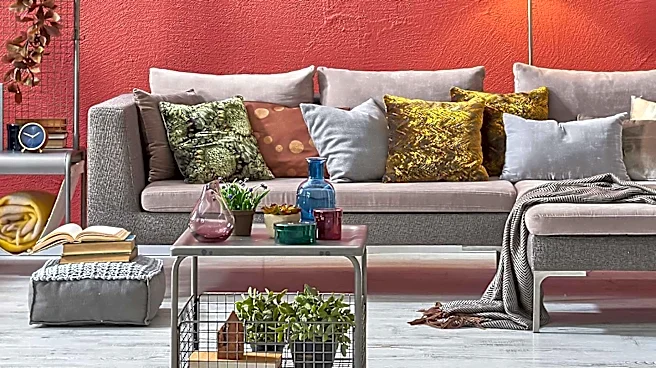
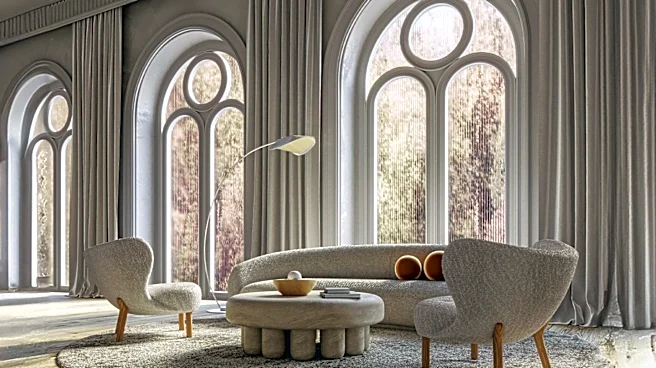
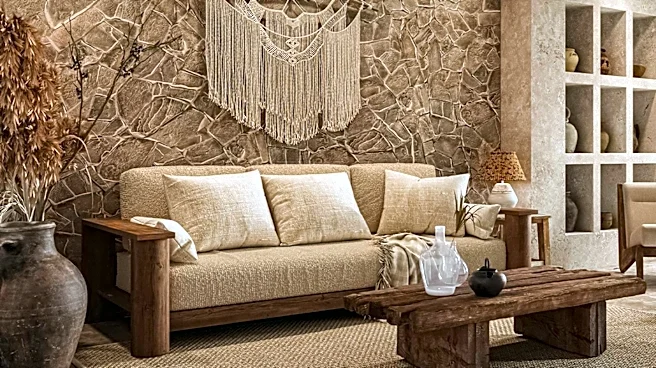
Adam Levine and Behati Prinsloo's Pacific Palisades living room showcases a design approach that moves away from stark minimalism, favoring a layered, warm neutral palette. The design, executed by Kathleen and Tommy Clements of Clements Design, incorporates
classic timber, pale plaster walls, and earthy tones. This creates a space that feels both timeless and full of character, emphasizing natural materials and variations rather than bold, trend-driven colors. The couple's home demonstrates how neutral decorating can achieve warmth and depth through vintage pieces and textured fabrics, maintaining focus on the inherent qualities of the materials. This approach reflects a broader shift in interior design towards softer, more grounded palettes, as noted by Ally Dowsing-Reynolds, co-founder of Dowsing & Reynolds.
Why It's Important?
This design trend is significant as it challenges the conventional understanding of minimalism, suggesting that simplicity does not equate to starkness or a lack of character. For the U.S. interior design industry, it highlights a growing consumer preference for enduring beauty and comfort over fleeting trends. Homeowners are increasingly seeking spaces that offer a sense of calm and serenity, leading to a demand for natural materials like wood and stone, and soft, ambient lighting. This shift benefits manufacturers and retailers specializing in vintage furniture, textured fabrics, and natural building materials. It also influences design professionals to integrate tactile interiors and slow living design principles, moving away from flat, glossy finishes towards sensory experiences. The emphasis on functionality and personal expression within a neutral framework allows for greater customization and longevity in home decor.
What's Next?
The continued embrace of warm neutrals and natural materials is likely to shape future interior design trends and product development. Consumers can expect to see more offerings in furniture and decor that prioritize texture, comfort, and timeless appeal. Designers may further explore the integration of vintage and antique pieces to add personal touches and a sense of history to modern spaces. This trend could also lead to increased demand for sustainable and ethically sourced materials, aligning with the desire for more grounded and authentic living environments. Retailers might focus on curating collections that allow for layering and personalization within a neutral color scheme, providing options for consumers to create unique yet cohesive living spaces.
Beyond the Headlines
The design philosophy exemplified by Levine and Prinsloo's home extends beyond aesthetics, touching upon broader cultural shifts towards mindful consumption and well-being. In an increasingly fast-paced world, there's a growing desire for homes to serve as sanctuaries, offering respite and comfort. This movement towards 'slow living' and tactile interiors reflects a deeper psychological need for connection with natural elements and a rejection of disposable trends. Ethically, it encourages a more sustainable approach to decorating by valuing longevity and quality over quantity. This shift could foster a greater appreciation for craftsmanship and the stories behind objects, promoting a more conscious and intentional way of living that prioritizes personal comfort and environmental responsibility.