








What's Happening?
Actor Anthony Carrigan was diagnosed with alopecia areata at approximately three years old. This autoimmune condition causes hair loss and has affected several public figures. The condition is estimated to impact 6.7 million people in the United States.
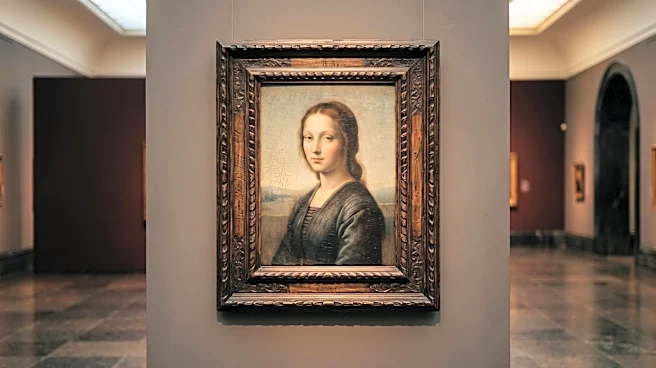
Carrigan is among a list of well-known individuals, including Jada Pinkett Smith, Viola Davis, Lili Reinhart, and Tyra Banks, who have openly discussed their experiences with alopecia. This information comes in the context of a dermatologist's theory suggesting that the Mona Lisa's famously missing eyebrows and eyelashes could be attributed to alopecia areata, offering a medical interpretation of the historical portrait.
Why It's Important?
The public acknowledgment of alopecia by figures like Anthony Carrigan is significant for raising awareness and destigmatizing the condition. For the estimated 6.7 million people in the U.S. affected by alopecia, seeing prominent individuals share their experiences can foster a sense of community and reduce feelings of isolation. This visibility helps to normalize a condition that often carries social and emotional challenges, encouraging open dialogue and understanding. Furthermore, it highlights the diverse range of individuals affected by autoimmune disorders and underscores the importance of medical research and support for these conditions. The discussion around the Mona Lisa's potential diagnosis also brings historical context to alopecia, demonstrating its long-standing presence in human experience.
What's Next?
Increased public awareness of alopecia, driven by the visibility of figures like Anthony Carrigan, is likely to lead to continued advocacy for research, support, and acceptance. This could translate into more funding for medical studies, improved treatment options, and greater societal understanding of the condition. Educational campaigns and support groups may see increased engagement, providing resources for those affected. The ongoing discussion about historical figures potentially having alopecia could also encourage new perspectives in art history and medical humanities, prompting further interdisciplinary research into historical health conditions and their representation. The broader impact will be a more inclusive and informed public discourse surrounding hair loss and autoimmune diseases.
Beyond the Headlines
Anthony Carrigan's openness about his alopecia areata diagnosis contributes to a larger cultural shift towards embracing diverse appearances and challenging conventional beauty standards. In an industry often focused on idealized images, his success as an actor, despite or perhaps even because of his unique look, sends a powerful message about authenticity and self-acceptance. This can inspire individuals, particularly younger generations, to feel more confident in their own skin, regardless of physical differences. The discussion also subtly critiques the historical pressure to conform to specific aesthetic norms, as exemplified by the Mona Lisa's 'missing' features being interpreted through a medical lens rather than as an artistic choice or an anomaly. This fosters a more empathetic and less judgmental view of human variation.