




What's Happening?
Lower Meeting Street in Charleston's French Quarter is undergoing a significant transformation, evolving into a dynamic destination that blends local artistry, unique retail experiences, cultural institutions, and new dining options. This area, traditionally
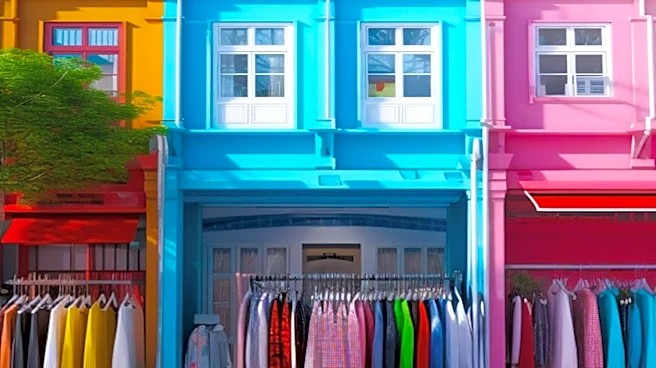
known for its historic architecture, is now home to establishments like Look Up Charleston, an art collective and marketplace featuring local artists, artisans, and designers. Southern Ruetz offers a custom hat bar, allowing visitors to personalize their own hats, creating a unique retail experience. The Gibbes Museum of Art continues to anchor the cultural landscape, providing access to American art and Charleston's artistic heritage. Additionally, the new seafood-focused restaurant, Cheeky, has opened, adding to the culinary appeal. The area also features American Gardens, a nearly one-acre green space offering a tranquil urban pause. This collective development is creating a walkable experience that integrates shopping, art, dining, and relaxation within a few blocks.
Why It's Important?
This revitalization of Lower Meeting Street is important for Charleston's tourism and local economy, offering a more diverse and engaging experience for both visitors and residents. The emphasis on local artists and makers at places like Look Up Charleston supports the creative economy and provides unique, authentic products that differentiate Charleston from other destinations. The interactive retail concept at Southern Ruetz, where customers can create personalized items, enhances visitor engagement and offers a more memorable souvenir than traditional retail. The integration of cultural institutions like the Gibbes Museum with new dining and green spaces creates a comprehensive destination, encouraging longer stays and increased spending. This development also signifies a broader trend in urban planning towards creating walkable, mixed-use districts that foster community and economic growth, potentially serving as a model for other historic cities looking to modernize while preserving their unique character.
What's Next?
The ongoing evolution of Lower Meeting Street suggests a continued focus on enhancing the visitor and local experience through further integration of art, retail, and culinary offerings. Future developments may include additional local businesses and artists establishing a presence in the area, further solidifying its identity as a creative hub. The success of this model could encourage similar revitalization efforts in other parts of Charleston, potentially expanding the city's appeal beyond its traditional historic sites. Stakeholders, including local government, business owners, and community groups, will likely monitor the economic impact and visitor feedback to inform future urban development strategies. The emphasis on walkable experiences and local engagement is expected to continue shaping the area's growth, attracting more diverse businesses and cultural events.
Beyond the Headlines
The transformation of Lower Meeting Street reflects a deeper shift in how urban spaces are being reimagined to meet contemporary demands for authentic, experiential engagement. It highlights the growing value placed on local craftsmanship and unique cultural offerings over generic retail. This trend also underscores the importance of creating 'third places'—spaces that are neither home nor work—where people can connect, create, and relax. The blend of art, commerce, and green space addresses a holistic need for urban environments that are both economically vibrant and conducive to well-being. Ethically, this development supports local economies and artists, fostering a sense of community ownership and pride. Culturally, it reinforces Charleston's identity as a city that honors its past while embracing innovation, setting a precedent for how historic districts can evolve dynamically without losing their essential character.