






What's Happening?
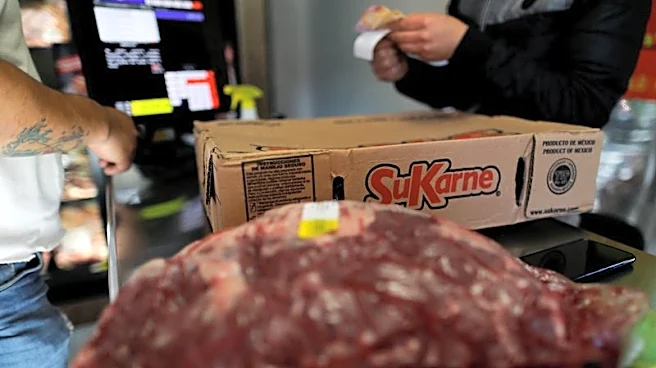
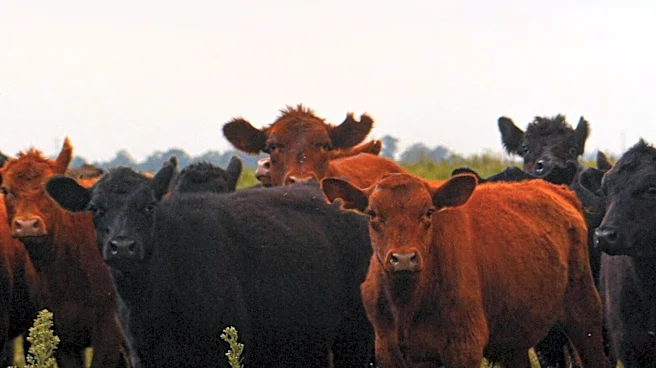
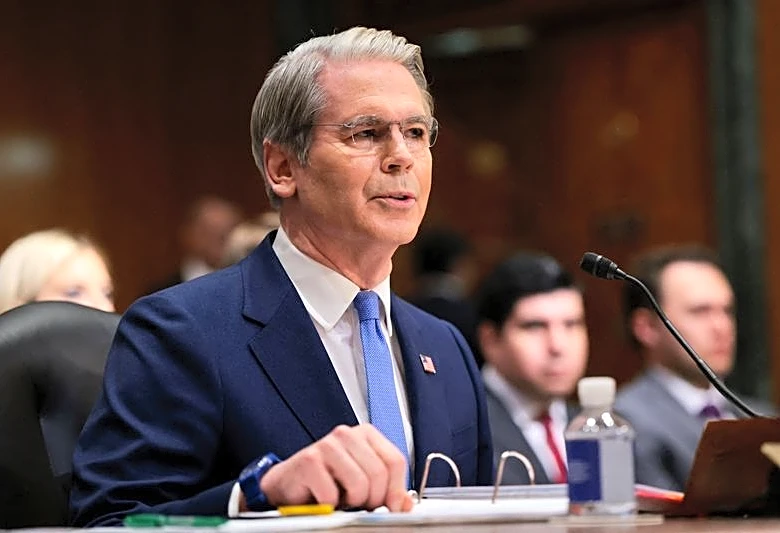
Tyson Foods CEO Donnie King has stated that the reopening of the Mexican border for cattle trade will not fully address the U.S. beef shortage. The U.S. Department of Agriculture plans to reopen the Douglas, Arizona port of entry for cattle trade on August
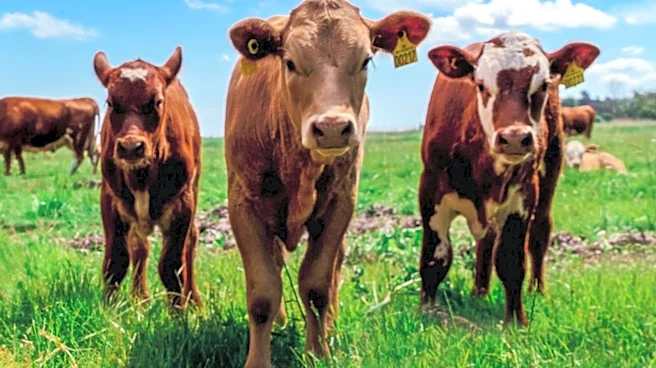
24, followed by two other ports in New Mexico. These ports account for more than half of U.S. cattle imports. The U.S. cattle herd is currently at its lowest level in 75 years, leading to record-high consumer beef prices. Tyson Foods has reported a 15.9% drop in beef volume and a 12.1% increase in prices for its fiscal third quarter. The company has lowered its 2026 adjusted operating income outlook due to ongoing challenges in the beef sector.
Why It's Important?
The U.S. beef shortage has significant implications for the food industry and consumers, as it affects pricing and availability of beef products. Tyson Foods, as a major player in the meat industry, is directly impacted by these supply chain challenges. The reopening of the Mexican border is a critical step in addressing the shortage, but it is not a complete solution. The situation highlights the vulnerability of the U.S. beef supply chain to external factors, such as trade restrictions and disease concerns. The ongoing shortage could lead to higher prices for consumers and impact profitability for companies reliant on beef products.
What's Next?
Tyson Foods and other industry stakeholders will need to continue exploring strategies to mitigate the impact of the beef shortage. This may include diversifying supply sources, investing in alternative protein products, or implementing cost-saving measures. The reopening of the Mexican border is expected to have a positive impact in the long term, but it may take up to a year for the industry to see significant improvements. Companies will also need to monitor consumer demand and adjust their product offerings accordingly.