


What's Happening?
Fashion editors are emphasizing that achieving an 'expensive' look does not require a large budget but rather strategic curation of a wardrobe. Marina Avraam, Senior Shopping Editor at Who What Wear UK, suggests focusing on five key summer staples: easy
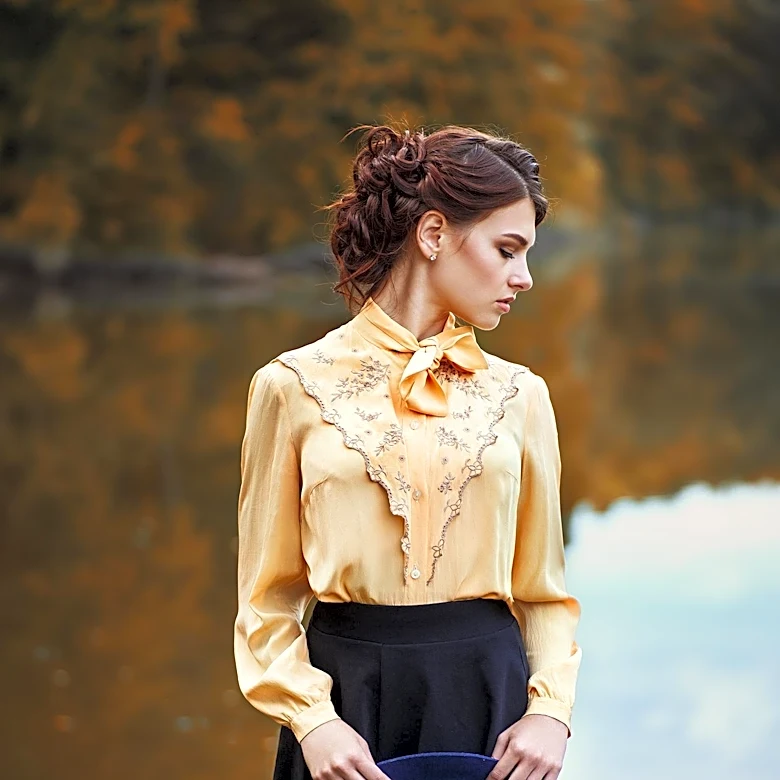
throw-on dresses, linen pieces, romantic blouses, woven bags, and minimal sandals. According to Avraam, these items, many of which can be found at high-street retailers like Zara, create a cohesive capsule wardrobe that appears polished and timeless. The approach prioritizes elevated fabrications, timeless silhouettes, and careful selection over impulse buying or chasing micro-trends. The goal is to build outfits in advance, ensuring each piece genuinely benefits the closet and works seamlessly with others, thereby making getting dressed effortless and creating a perception of luxury without the designer price tag. Accessories, such as woven bags and two-tone sandals, are highlighted as disproportionately important finishing touches that can elevate an entire look.
Why It's Important?
This trend in fashion advice holds significant implications for the U.S. retail industry and consumer behavior. By promoting a 'less is more' approach focused on quality and versatility over quantity and fleeting trends, it could encourage a shift away from fast fashion's rapid consumption cycle. This might benefit brands that prioritize sustainable practices and durable goods, while potentially challenging the business models of ultra-fast fashion retailers. For consumers, it offers a practical and budget-friendly strategy to enhance personal style, potentially reducing financial strain and promoting more mindful shopping habits. The emphasis on 'elevated fabrications and timeless silhouettes' could also influence design trends, pushing manufacturers to focus on classic designs and higher-quality materials even within affordable price points. This perspective empowers consumers to feel stylish and confident without succumbing to the pressure of constant spending on new items, fostering a more sustainable and intentional approach to fashion.
What's Next?
The continued promotion of this strategic wardrobe curation by fashion influencers and media outlets could lead to a broader adoption of capsule wardrobe principles among U.S. consumers. Retailers, particularly high-street brands, may respond by emphasizing the versatility and timelessness of their offerings, potentially creating dedicated collections or marketing campaigns around these core staples. We might see an increase in demand for specific items like linen apparel, well-cut dresses, and classic accessories. Fashion publications and stylists are likely to further elaborate on how to identify quality fabrics and cuts at various price points, empowering consumers to make more informed purchasing decisions. This shift could also encourage more brands to invest in better material quality and design longevity, as consumers become more discerning about what they add to their curated wardrobes. Educational content around sustainable fashion and mindful consumption is also likely to grow, reinforcing the idea that true luxury lies in thoughtful choices rather than exorbitant prices.
Beyond the Headlines
This fashion philosophy taps into deeper cultural and psychological aspects of consumption and self-presentation. In an era of social media and constant visual comparison, the pressure to appear 'expensive' or 'on-trend' can be immense. This advice offers a counter-narrative, suggesting that true style is about intentionality and understanding, rather than wealth. It challenges the notion that status is solely derived from brand names, instead promoting an appreciation for quality, fit, and personal curation. This shift could contribute to a broader cultural movement towards conscious consumption, where individuals seek value and longevity in their purchases across various product categories, not just fashion. Ethically, it aligns with sustainability efforts by advocating for fewer, better-chosen items, potentially reducing textile waste. Psychologically, it can alleviate the stress of keeping up with trends, fostering a sense of confidence and authenticity derived from a well-thought-out personal style rather than external validation through designer labels. It redefines 'luxury' as an experience of effortless elegance and personal satisfaction, rather than a price tag.