






What's Happening?
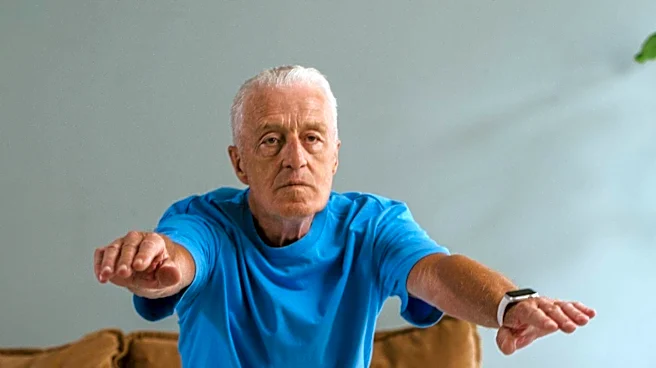
Senior fitness programs are increasingly focusing on maintaining independence and overall well-being through a variety of gentle and low-impact exercises. These programs, offered in both home settings and assisted living communities, aim to improve strength,
balance, flexibility, and cognitive health. Exercises such as side leg raises, neck stretches, and shoulder stretches are recommended to enhance hip strength, balance, and flexibility. Low-impact activities like walking, seated exercises, yoga, and tai chi are also promoted to support fitness without stressing joints. Assisted living communities are implementing comprehensive wellness programs that include immersive fitness classes, walking groups, and educational initiatives. For seniors with severe mobility limitations, specialized routines feature seated exercises and passive-to-active range of motion stretching. The goal is to empower seniors to manage daily activities with confidence and reduce the risk of falls, which are a significant concern among older adults. These tailored approaches acknowledge that every senior has unique health needs and mobility levels, moving away from one-size-fits-all exercise regimens.
Why It's Important?
The emphasis on senior fitness is crucial for the aging U.S. population, as it directly impacts healthcare costs, quality of life, and the demand for elder care services. By promoting regular physical activity, these programs help seniors maintain their independence, reducing the need for extensive assistance with daily tasks. This can alleviate pressure on family caregivers and healthcare systems. Improved strength and balance directly contribute to fall prevention, a major public health concern that leads to numerous injuries and hospitalizations annually. Furthermore, exercise has significant benefits for cognitive and emotional health, helping to combat isolation, improve mood, and support brain function. For the senior living industry, offering robust and personalized fitness programs can be a key differentiator, attracting residents and demonstrating a commitment to holistic well-being. This trend also highlights a shift towards proactive health management in older adults, aiming to extend healthy lifespans and enhance overall societal productivity.
What's Next?
Looking ahead, the integration of personalized exercise routines and technology in senior fitness is expected to expand. Assisted living communities will likely continue to refine their wellness programs, incorporating more data-driven approaches to tailor exercises to individual needs and progress. There may be an increased focus on virtual fitness classes and wearable technology to monitor activity levels and provide real-time feedback, especially for seniors exercising at home. Collaboration between healthcare providers, physical therapists, and senior living facilities will become more common to ensure that exercise regimens are medically appropriate and effective. Additionally, educational initiatives for seniors and their families on the benefits of regular physical activity are expected to grow, fostering a greater understanding of how exercise contributes to long-term health and independence. The development of specialized programs for conditions like dementia, utilizing music-based movement and sensory exercises, will also likely see further innovation and implementation.
Beyond the Headlines
Beyond the immediate health benefits, the focus on senior fitness reflects broader societal shifts in how aging is perceived and managed. It underscores a move away from a purely reactive approach to elder care towards a more proactive, wellness-oriented model. This paradigm shift has ethical implications, emphasizing the right of older adults to maintain autonomy and a high quality of life for as long as possible. Legally, this could lead to increased regulations or standards for fitness programs in senior living facilities, ensuring safety and efficacy. Culturally, it challenges ageist stereotypes by promoting the idea that vitality and physical capability can be maintained well into old age. This trend also highlights the economic potential of the senior wellness market, driving innovation in fitness equipment, programming, and specialized care services. Ultimately, fostering senior fitness contributes to a more inclusive and supportive society that values the continued engagement and well-being of its older members.