




What's Happening?
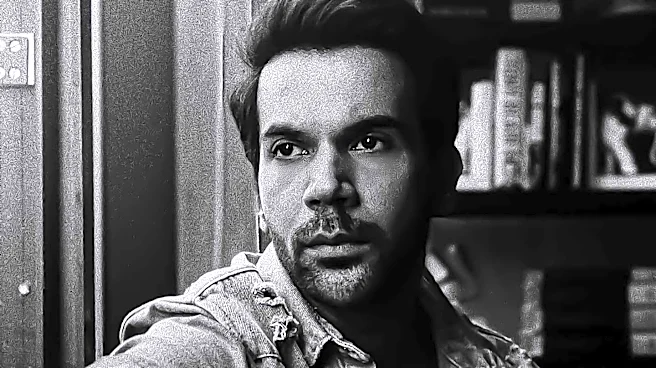
Ethan Hawke, a five-time Academy Award-nominated actor, is narrating a new wildlife documentary titled 'Deep in the Heart 2: Texas Rivers.' Directed by Ben Masters, the film explores the diverse ecosystems of Texas waterways, including the Rio Grande,
Sabine, and Neches rivers. The documentary follows various species such as river otters, mountain lions, and alligator snapping turtles, while addressing the critical water challenges faced by the state's growing population. This film is a sequel to the 2022 documentary 'Deep in the Heart: A Texas Wildlife Story,' which was narrated by Matthew McConaughey. The new installment focuses on the importance of water as a natural resource and aims to inspire conservation efforts. The film is produced by Fin & Fur Films in association with H-E-B and Texan by Nature, and it is set to premiere in theaters on September 25th.
Why It's Important?
The documentary 'Deep in the Heart 2: Texas Rivers' is significant as it brings attention to the environmental challenges posed by water scarcity in Texas, a state experiencing rapid population growth. By highlighting the diverse wildlife and ecosystems dependent on these waterways, the film aims to raise awareness about the importance of water conservation. The involvement of Ethan Hawke, a well-known actor, adds star power to the project, potentially increasing its reach and impact. The film's focus on conservation aligns with broader environmental efforts to protect natural resources for future generations. It also underscores the role of media and storytelling in driving public engagement and policy change regarding environmental issues.
What's Next?
Following its theatrical release, 'Deep in the Heart 2: Texas Rivers' may influence public discourse on water conservation in Texas. The film could prompt discussions among policymakers, environmental groups, and the general public about sustainable water management practices. Additionally, the documentary's release may lead to increased support for conservation initiatives and partnerships aimed at preserving Texas's natural resources. The film's success could also encourage further collaborations between filmmakers and environmental organizations to produce similar projects that address other pressing ecological issues.