






What's Happening?
Businesses are being urged to look beyond just price when selecting logistics transport companies in the USA. The core development emphasizes that the true value of transportation encompasses various factors such as cargo type, specific transportation routes,
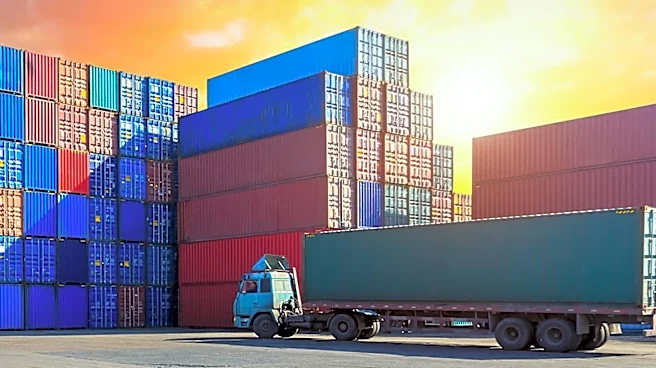
equipment requirements, and the level of service provided. Relying solely on the lowest bid can lead to hidden costs and operational inefficiencies. The guidance suggests that a suitable logistics partner should align with a company's shipment type, delivery needs, service area, and operational demands. This comprehensive evaluation helps businesses avoid delays and build a more reliable supply chain. Key considerations include the provider's capabilities for full or partial truckload shipments, regional and long-distance freight, port and container transportation, and specialized cargo handling. Effective communication, transparent pricing structures that account for potential additional charges, and adherence to compliance and safety practices are also highlighted as crucial elements in the decision-making process.
Why It's Important?
This shift in perspective for transportation valuation is important for U.S. businesses as it directly impacts their supply chain resilience, operational costs, and customer satisfaction. In an increasingly complex and interconnected market, a robust and efficient logistics network is critical for competitiveness. By focusing on a holistic value proposition rather than just price, companies can mitigate risks associated with unreliable deliveries, unexpected surcharges, and inadequate service. This approach can lead to more predictable inventory planning, reduced transportation costs in the long run, and improved customer experiences. Furthermore, it encourages businesses to partner with providers who are compliant with regulations like those from the Federal Motor Carrier Safety Administration (FMCSA), ensuring safer and more ethical operations. The emphasis on industry-specific needs, such as handling granite, steel, or temperature-sensitive products, underscores the necessity for specialized expertise that can prevent damage, ensure timely delivery, and maintain product integrity, all of which are vital for various U.S. industries.
What's Next?
Businesses are expected to adopt more structured evaluation processes for their logistics partners. This will involve defining freight requirements, identifying necessary transportation modes, shortlisting providers based on relevant experience and coverage, and requesting detailed quotes that outline all potential costs. Increased scrutiny on communication protocols and shipment tracking capabilities will also become standard. Logistics providers, in turn, will likely need to enhance their transparency regarding pricing, service offerings, and compliance measures to meet these evolving client demands. The industry may see a greater emphasis on specialized services and tailored solutions rather than a one-size-fits-all approach. This could also lead to a more competitive landscape where providers differentiate themselves through service quality, technological integration for tracking and communication, and proven expertise in specific cargo types, ultimately benefiting U.S. businesses seeking optimized supply chain solutions.
Beyond the Headlines
The recommendation to prioritize comprehensive value over mere price in transportation decisions reflects a broader trend towards resilience and sustainability in U.S. supply chains. This approach moves beyond short-term cost savings to consider the long-term implications of logistics choices, including environmental impact, ethical labor practices, and the ability to withstand disruptions. By evaluating factors like equipment suitability and compliance, businesses indirectly contribute to safer roads and reduced environmental footprints. The focus on clear communication and reliable service also fosters stronger, more collaborative relationships between businesses and their logistics partners, potentially leading to innovations in freight management and delivery. This strategic shift could also influence investment in advanced logistics technologies and infrastructure, as companies seek partners capable of providing sophisticated, value-driven solutions, thereby elevating the overall standard of the U.S. transportation and logistics sector.