









What's Happening?
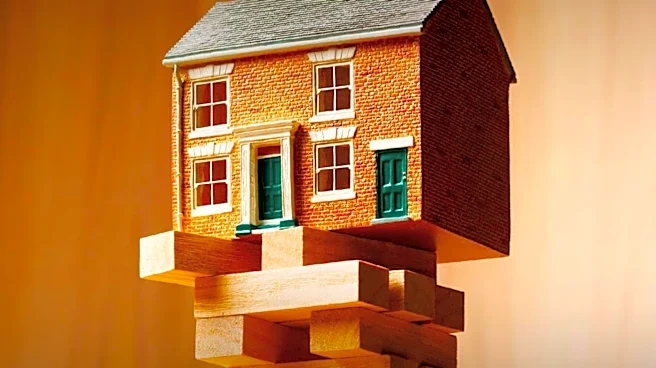
The S&P Case-Shiller Index reports a near standstill in national home value growth for April 2026, with a 0.8% increase compared to the previous year. The Northeast and Midwest regions outperformed, while many Sun Belt and Western metros experienced declines.
Chicago led with a 6.5% annual gain, followed by New York and Cleveland. Seattle saw the steepest decline at 2.3%. Rising mortgage rates, now at 6.3%, continue to challenge affordability, impacting home price growth. Despite these challenges, existing-home sales rose in May, indicating some market momentum.
Why It's Important?
The stagnation in home value growth reflects ongoing affordability challenges in the housing market, exacerbated by rising mortgage rates. The regional disparities highlight the localized nature of the current housing cycle, with some areas experiencing growth while others face declines. This uneven landscape presents both opportunities and challenges for buyers and sellers, as well as policymakers aiming to address housing affordability. The data underscores the importance of understanding regional market dynamics and the impact of economic factors on housing trends.
What's Next?
As mortgage rates remain elevated, the housing market may continue to face headwinds, particularly in regions with declining home values. Buyers and sellers will need to navigate these conditions carefully, with potential implications for housing affordability and market stability. Policymakers and industry stakeholders will need to monitor these trends closely to support a balanced housing market. The ongoing regional disparities may require targeted interventions to address specific market challenges and promote sustainable growth.