





What's Happening?
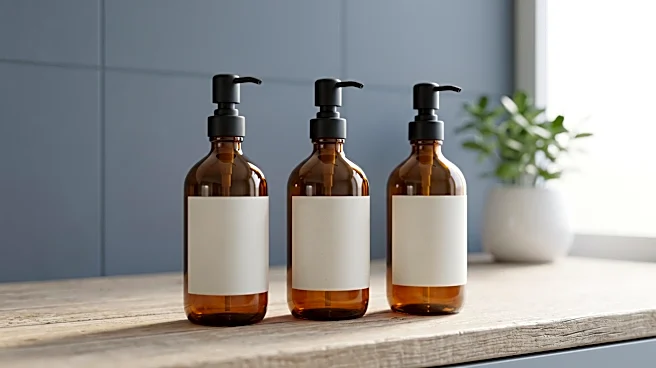
A growing trend in eco-friendly home products focuses on sustainability through items like refillable glass spray bottles, reusable beeswax wraps, and LED light bulbs. These products aim to reduce waste, conserve energy, and offer cost-effective alternatives
to traditional household goods. For instance, refillable glass spray bottles replace single-use plastic, making sustainable cleaning practical and economical. Reusable beeswax wraps serve as an alternative to plastic cling film, designed for repeated use to keep food fresh. LED light bulbs are highlighted for their energy efficiency, consuming less electricity and requiring less frequent replacement, which contributes to lower energy bills. Other notable eco-friendly items include wool dryer balls, which replace disposable dryer sheets and help clothes dry faster, and rain barrels, which collect rainwater for garden use, reducing municipal water consumption and storm runoff. The emphasis is on small, accessible changes that contribute to a more sustainable home environment.
Why It's Important?
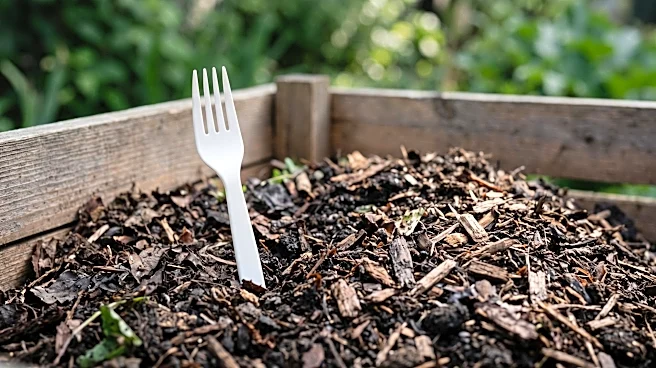
The shift towards eco-friendly home products is important for several reasons, impacting both individual households and broader environmental goals. For consumers, these products often lead to significant cost savings over time, as items like LED bulbs reduce electricity bills and reusable products eliminate the need for frequent repurchases of disposable alternatives. Environmentally, the adoption of these products directly addresses issues such as plastic waste reduction, energy conservation, and water preservation. By choosing refillable options, consumers decrease their reliance on single-use plastics, lessening the burden on landfills and oceans. Energy-efficient products like LED bulbs and smart thermostats contribute to a reduction in overall energy consumption, which can lower carbon footprints. Water-saving devices and rain barrels help conserve a vital natural resource, particularly in regions prone to drought. This movement signifies a growing awareness and commitment to sustainable living, encouraging a circular economy where products are reused and resources are managed more efficiently, benefiting both the planet and personal finances.
What's Next?
The trajectory for eco-friendly home products suggests continued innovation and broader adoption. Manufacturers are likely to expand their offerings of refillable systems and durable, reusable goods, driven by increasing consumer demand for sustainable options. This could include more concentrated cleaning solutions designed for refill pouches, wider availability of products made from recycled or rapidly renewable materials, and further integration of smart home technology to optimize energy and water usage. Educational initiatives and marketing efforts will probably continue to highlight the long-term cost savings and environmental benefits of these products, encouraging more households to make the switch. Additionally, as supply chains become more localized and sustainable, the accessibility and affordability of these items are expected to improve, making eco-friendly living more attainable for a larger segment of the population. The focus will remain on practical, everyday solutions that empower individuals to reduce their environmental impact without significant lifestyle overhauls.
Beyond the Headlines
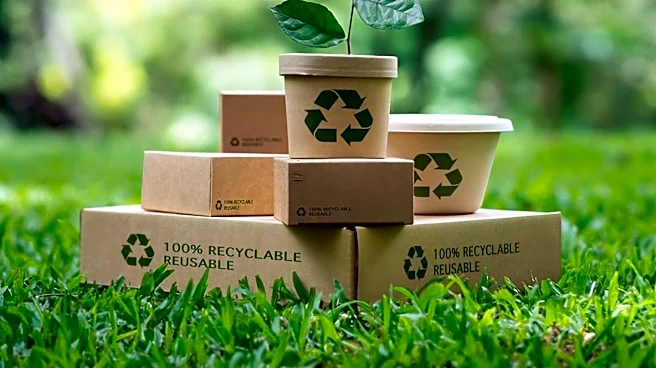
Beyond the immediate benefits of cost savings and waste reduction, the widespread adoption of eco-friendly home products signals a deeper cultural and ethical shift towards conscious consumption. This movement challenges the traditional linear economy model of 'take, make, dispose' by promoting a circular approach where products are valued for their longevity and reusability. It fosters a greater sense of responsibility among consumers regarding their environmental footprint and encourages a more mindful relationship with the resources they consume. This shift can also influence policy-making, potentially leading to incentives for sustainable manufacturing and disincentives for single-use plastics. Furthermore, the emphasis on natural and non-toxic ingredients in many eco-friendly cleaning and personal care products reflects a growing concern for indoor air quality and personal health, moving beyond environmental impact to encompass holistic well-being. This evolving consumer ethos has the potential to reshape industries, drive green innovation, and contribute to a more sustainable and healthier society overall.