




What's Happening?
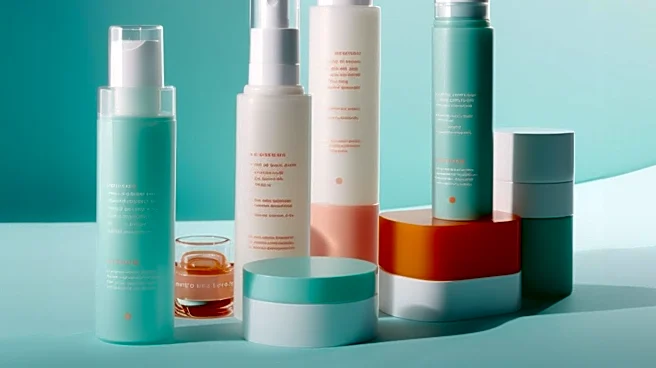
Korean beauty products, known as K-beauty, are becoming increasingly popular in the United States. This trend has been growing since the 2010s and was further accelerated during the COVID-19 pandemic when consumers had more time to explore skincare routines.
The popularity of K-beauty is driven by its focus on healthy, glowing skin, often achieved through multi-step skincare routines. Major retailers like Olive Young have opened stores in the U.S., and brands such as Medicube and Peach & Lily are performing well in the market. Analysts predict that K-beauty sales in the U.S. could reach approximately $4 billion by 2026, fueled by the rising popularity of K-culture and consumer demand for functional skincare products.
Why It's Important?
The growing popularity of K-beauty in the U.S. signifies a shift in consumer preferences towards skincare-first philosophies, which could impact the broader beauty industry. This trend presents opportunities for retailers and brands to expand their market share by catering to the demand for K-beauty products. It also highlights the influence of cultural trends on consumer behavior, as the appeal of K-culture extends beyond beauty products. The success of K-beauty could pave the way for other international beauty products to enter the U.S. market, potentially reshaping the landscape of the beauty industry.
What's Next?
As K-beauty continues to gain traction, more retailers may seek to incorporate these products into their offerings, both online and in physical stores. Companies like Sephora and Ulta Beauty are already partnering with K-beauty brands to meet consumer demand. The expansion of K-beauty could also lead to increased competition among beauty brands, prompting innovation and diversification in product offerings. Additionally, the trend may encourage consumers to explore beauty products from other countries, further diversifying the U.S. beauty market.