







What's Happening?
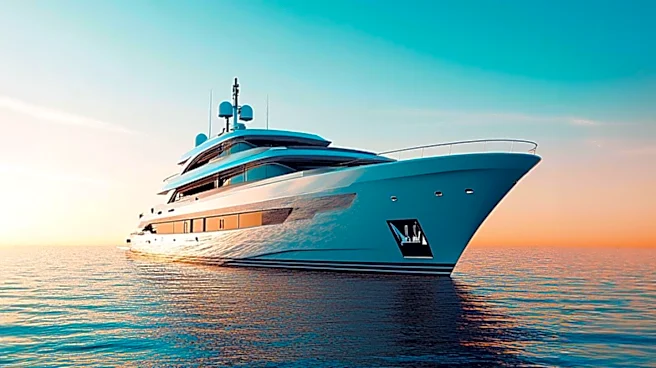
Vripack, a naval architecture and interiors firm, is adapting its superyacht designs to meet the evolving demands of its wealthy clientele, including billionaires and members of the Saudi royal family. Co-creative directors Bart Bouwhuis and Marnix Hoekstra
are focusing on practicalities over aesthetics, ensuring that each yacht fulfills the daily needs of its owner. Recent trends show a shift towards health and fitness amenities, such as Bikram-style hot yoga studios and hyperbaric chambers, as well as work-from-yacht setups, reflecting the blurred lines between personal and professional life. The pandemic has accelerated this trend, with technologies like Starlink enabling seamless work environments at sea. Additionally, there is a growing interest in eco-friendly features, inspired by Vripack's Project Zero, an all-electric superyacht. Clients are now more inclined to adopt sustainable practices, such as using heat-reflective paint and energy-efficient air conditioning systems.
Why It's Important?
The shift in superyacht design priorities reflects broader societal changes, including increased health consciousness and the integration of work and leisure. As the super-rich seek to maintain their lifestyles while addressing environmental concerns, the luxury yacht industry is being pushed towards more sustainable practices. This trend could influence other sectors of the luxury market, encouraging innovation in eco-friendly technologies and design. The demand for work-from-yacht capabilities also highlights the changing nature of work, where flexibility and remote connectivity are becoming essential. This could have implications for the tech industry, particularly in the development of reliable satellite internet services like Starlink.
What's Next?
As the demand for personalized and sustainable superyacht features grows, Vripack and similar firms may continue to innovate in areas such as renewable energy and advanced stabilization technologies. The luxury yacht market could see increased competition as more companies strive to meet these evolving demands. Additionally, the focus on eco-friendly designs may lead to regulatory changes, encouraging the adoption of sustainable practices across the maritime industry. The integration of advanced communication technologies could also drive further developments in remote work solutions, impacting how businesses operate globally.
Beyond the Headlines
The move towards sustainable superyacht designs raises ethical questions about luxury consumption and environmental responsibility. As the wealthy invest in eco-friendly technologies, there is potential for these innovations to trickle down to more accessible markets, promoting broader environmental benefits. However, the luxury industry's focus on exclusivity may limit the widespread adoption of these technologies. The trend also highlights cultural shifts in how the super-rich perceive luxury, with a growing emphasis on health, wellness, and sustainability over traditional displays of wealth.