




What's Happening?
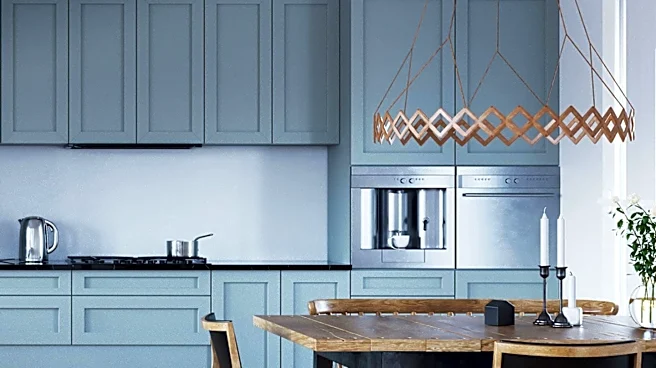
Seus Lighting has unveiled a new range of copper chandeliers, offering various finishes, patinas, and forms to suit different interior design aesthetics. The collection includes solid, plated, and copper-tone fixtures, with finishes such as bright, brushed,
dark/antique, living (unsealed), and verdigris. Notable designs feature the Orgi Statement Linear Branch Chandelier, available in copper and dark copper with crystal accents, and the Noa Flower Branch Chandelier, which combines white ceramic flowers with handmade brass-and-copper limbs. For vertical spaces, the Modern Raindrop Chandelier and the Calla Staircase Chandelier offer cascading designs. The company emphasizes that only unsealed copper will naturally change color over time, developing a patina from pink-orange to brown and eventually green, while lacquered or coated finishes maintain their original appearance. Seus Lighting also provides guidance on selecting the appropriate copper finish based on room style, such as brushed copper for modern farmhouse kitchens and dark copper for industrial or tall entries. The company recommends using 2700–3000K light with a Color Rendering Index (CRI) of 90+ to enhance the rich tones of copper.
Why It's Important?
The introduction of these diverse copper chandelier collections by Seus Lighting is significant for the U.S. interior design and home furnishings market. It caters to a growing consumer demand for unique, high-quality lighting fixtures that serve as focal points in residential and commercial spaces. The emphasis on various finishes and the natural aging process of unsealed copper provides designers and homeowners with options to create personalized and evolving aesthetics, moving beyond mass-produced, static designs. This trend supports artisans and manufacturers specializing in handcrafted metalwork, contributing to the preservation of traditional craftsmanship within the modern design industry. Furthermore, the detailed guidance on light temperature and CRI highlights a broader industry shift towards educating consumers on the technical aspects of lighting, ensuring that fixtures not only look good but also provide optimal illumination that complements the material and ambiance of a room. This focus on quality and informed choices can elevate design standards and consumer satisfaction in the U.S. market.
What's Next?
Following the launch, Seus Lighting is likely to continue promoting these collections through design publications, showrooms, and online platforms, targeting interior designers, architects, and homeowners. The company may also explore collaborations with other home decor brands to showcase how copper chandeliers integrate into various design schemes. There could be an increased focus on educating consumers about the maintenance and care of different copper finishes, particularly for 'living' copper, to manage expectations regarding patina development. As demand for customizable and unique home elements grows, Seus Lighting might expand its offerings to include more bespoke options or introduce new materials that complement copper. The success of these collections could also influence other lighting manufacturers to invest in similar handcrafted, material-focused designs, potentially leading to a broader trend of artisanal and customizable lighting solutions in the U.S. market.
Beyond the Headlines
Beyond their aesthetic appeal, these copper chandeliers represent a deeper cultural and ethical shift in consumer preferences towards sustainability and authenticity. The option of 'living' copper, which patinas and changes over time, encourages a more enduring relationship with household items, moving away from a disposable culture. This aligns with broader environmental consciousness, as consumers increasingly seek products that age gracefully and tell a story, rather than those designed for fleeting trends. The handcrafted nature of many of these fixtures also supports local economies and skilled labor, fostering a sense of value in craftsmanship over mass production. Ethically, choosing materials like copper, known for its durability and recyclability, contributes to a more sustainable consumption model. This trend reflects a desire for products that are not only beautiful but also embody a commitment to quality, longevity, and responsible sourcing, influencing design philosophies and purchasing decisions across the U.S. home goods sector.