





What's Happening?
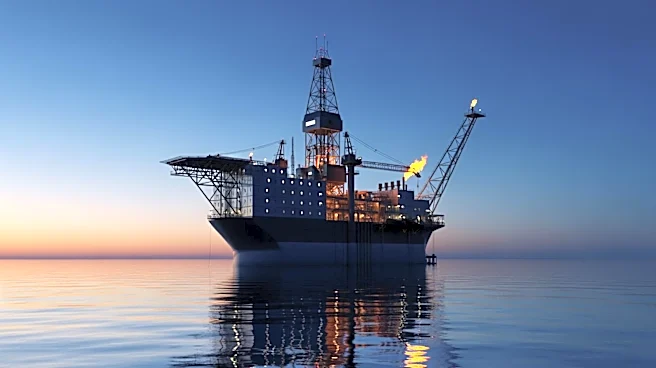
Santos has commenced production operations at the Pikka Phase 1 oil development on Alaska's North Slope, marking a significant milestone for one of the region's largest new oil projects. The company announced that the first production wells are now online,
delivering approximately 20,000 barrels of oil per day (bopd) of gross production. In the coming weeks, Santos plans to begin seawater injection to support reservoir pressure and bring additional wells online. The Pikka Phase 1 project aims to reach a plateau production of approximately 80,000 bopd by the third quarter of 2026. Located on Alaska's North Slope, the project is operated by Santos in partnership with Repsol. It is expected to become a major contributor to Alaska's oil production and generate long-term cash flow from one of the state's largest recent oil discoveries.
Why It's Important?
The initiation of production at Pikka Phase 1 is a crucial development for Alaska's oil industry, potentially increasing the state's oil output significantly. This project not only enhances the region's production capacity but also promises long-term economic benefits through sustained cash flow. The involvement of major players like Santos and Repsol underscores the project's importance in the global oil market. As the project progresses, it could attract further investment and development opportunities, reinforcing Alaska's position as a key player in the energy sector. The successful implementation of this project could also influence oil prices and supply dynamics, particularly in the North American market.
What's Next?
Santos plans to continue developing the Pikka field by bringing more wells online and implementing seawater injection for reservoir pressure support. The company is also evaluating additional development potential across the field, which could lead to further expansion beyond Phase 1. As the project progresses, stakeholders will likely monitor its impact on local economies and the broader oil market. Regulatory approvals and environmental considerations will remain critical as the project advances.