




What's Happening?
AI server buyers, including major financial trading firms, are facing demands for price increases of up to 45% from suppliers like Dell, HPE, Lenovo, and Supermicro, even after contracts have been signed. These demands are reportedly occurring just as the
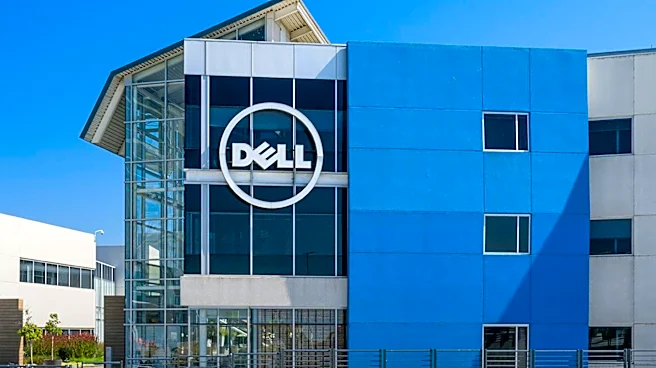
equipment is ready for delivery. The primary reason cited by suppliers for these increases is the soaring cost of memory, with JPMorgan research indicating a rise of over 400% since early 2024. This component-cost squeeze, rather than an increase in the price of AI processors, is driving the repricing. The impact varies by equipment type; GPU-server prices have reportedly risen 20-30%, while CPU-node prices, where memory constitutes a larger share of costs, have tripled or more. Buyers are often accepting these higher bills due to the critical need for scarce computing capacity, despite the uncertainty surrounding contract terms that permit such price changes. A notable case involves XTX Markets suing Dell in an Irish court, alleging Dell demanded an additional $62-70 million for servers after a fixed price and a 'price certainty' payment were agreed upon.
Why It's Important?
This development signifies a significant challenge for companies investing heavily in AI infrastructure, particularly in the U.S. The unexpected price hikes post-contract introduce considerable financial risk and uncertainty into budgeting and strategic planning for AI development. For financial trading firms, which rely on specialized computing equipment for their strategies, these increases directly impact their operational costs and potentially their competitive edge. The situation highlights a supply-demand imbalance in the AI hardware market, where demand for computing power is outstripping the supply of critical components like memory. This imbalance empowers suppliers to renegotiate terms, even after agreements are in place, underscoring the value placed on securing computing capacity. The legal dispute between XTX Markets and Dell also brings to light the potential for contractual disagreements and the need for more robust and explicit terms in high-value technology procurement, which could set precedents for future contracts in the AI industry.
What's Next?
In the short term, AI server buyers will likely continue to grapple with these unexpected cost increases, potentially leading to budget reallocations or delays in AI project deployments. Companies may seek to diversify their supplier base or explore alternative computing solutions to mitigate future price volatility. The ongoing lawsuit between XTX Markets and Dell could have significant implications for contract law in the technology sector, particularly regarding price certainty clauses. A ruling in favor of XTX could strengthen buyers' positions, while a ruling favoring Dell might embolden suppliers to continue repricing. In the long term, this situation could spur increased investment in memory production to address the supply shortage, or encourage innovation in more memory-efficient AI architectures. It may also lead to a shift in procurement strategies, with buyers demanding more stringent contractual protections against price changes or exploring vertical integration to secure critical components.
Beyond the Headlines
The issue of post-contract price increases in the AI server market points to deeper systemic challenges within the global technology supply chain. The rapid acceleration of AI development has created unprecedented demand for specialized hardware, exposing vulnerabilities in the production and distribution of components. This situation could lead to a more protectionist approach to critical technology components, with nations seeking to bolster domestic manufacturing capabilities to reduce reliance on volatile global markets. Furthermore, the ethical implications of suppliers demanding higher prices after contracts are signed, especially when buyers have limited alternatives, raise questions about fair business practices and market power. This could prompt regulatory bodies to examine potential anti-competitive behaviors or to develop guidelines for transparent pricing in rapidly evolving technology markets. The incident also underscores the inherent risks in long-term technology investments when component costs are subject to extreme fluctuations, potentially influencing how venture capital and private equity firms evaluate AI startups and their hardware dependencies.