

What's Happening?
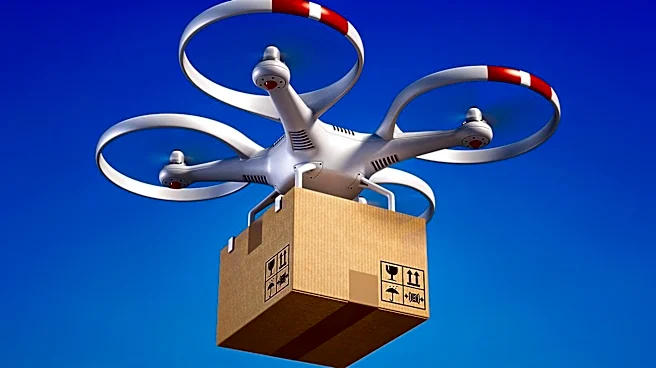
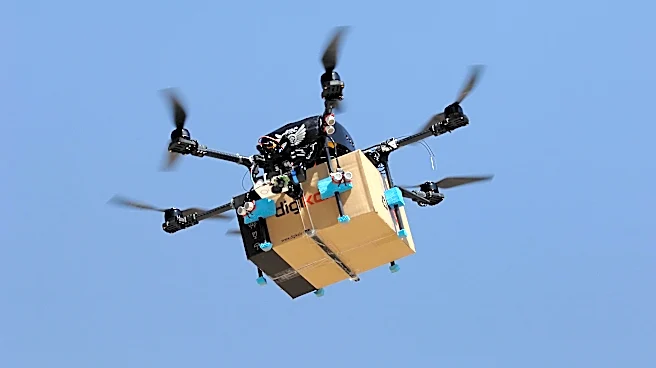
Amazon Prime Air is actively recruiting a Sr. Aerospace Hardware Service Engineer to join its PSO Engineering team. This role is critical for investigating in-service failures across the entire Prime Air system, which includes drones and associated support
equipment operating in challenging conditions. The engineer will be responsible for translating field learnings into tangible hardware design changes, ensuring these modifications are properly documented in the design record. Key responsibilities also involve designing, qualifying, and certifying first-article support equipment, such as battery chargers and communication devices, to FAA standards. This position requires integrating new equipment with fulfillment center systems, developing hardware for emerging drone systems, and improving existing hardware to boost performance and reliability. The role emphasizes cross-functional collaboration with various teams including engineering, maintenance, operations, manufacturing, supply chain, and quality, utilizing data to establish benchmark standards and reduce operational burdens. The engineer will also be tasked with developing technical documentation like Service Bulletins and Instructions for Continued Airworthiness, and presenting findings to senior leadership.
Why It's Important?
This hiring initiative underscores Amazon's commitment to scaling and refining its drone delivery service, Prime Air. By focusing on in-service failure analysis and hardware improvements, Amazon aims to enhance the safety, reliability, and efficiency of its drone operations. The role's emphasis on FAA certification highlights the company's dedication to meeting stringent aviation standards, which is crucial for widespread adoption and regulatory approval of drone delivery. Improved hardware reliability will directly impact operational costs by reducing maintenance needs and downtime, thereby making the service more economically viable. Furthermore, a more robust and dependable drone system can lead to increased customer satisfaction through consistent and timely deliveries. This investment in engineering talent signals Amazon's long-term vision for drone delivery as a significant component of its logistics network, potentially setting new industry benchmarks for autonomous delivery systems.
What's Next?
The successful integration of a Sr. Aerospace Hardware Service Engineer into the Prime Air team is expected to lead to more rapid iteration and improvement of drone hardware and support systems. This will likely result in the deployment of more resilient and efficient drone models, potentially expanding the operational scope and geographical reach of Prime Air. Future developments may include the introduction of new support equipment designed to optimize ground operations and maintenance, further streamlining the delivery process. The continuous feedback loop from field operations to design engineering will foster an environment of ongoing innovation, addressing real-world challenges as they arise. This strategic hire is a step towards solidifying Prime Air's position as a leader in autonomous last-mile delivery, with potential implications for how other logistics companies approach similar technological advancements.
Beyond the Headlines
The pursuit of highly specialized aerospace engineers by Amazon for its drone delivery service reflects a broader trend of convergence between traditional aerospace engineering and advanced logistics. This development highlights the increasing complexity and sophistication required for autonomous delivery systems, moving beyond simple drone operation to encompass rigorous aviation-grade design, testing, and certification. The focus on FAA standards suggests a proactive approach to regulatory compliance, which is a critical hurdle for the widespread commercialization of drone delivery. This could set a precedent for how other companies develop and deploy similar technologies, emphasizing safety and reliability as paramount. Furthermore, the need for engineers who can translate field failures into design changes points to the iterative and data-driven nature of innovation in this sector, where real-world performance dictates technological evolution. This shift could also influence educational and professional development pathways, creating demand for engineers with interdisciplinary skills in aerospace, robotics, and software.