





What's Happening?
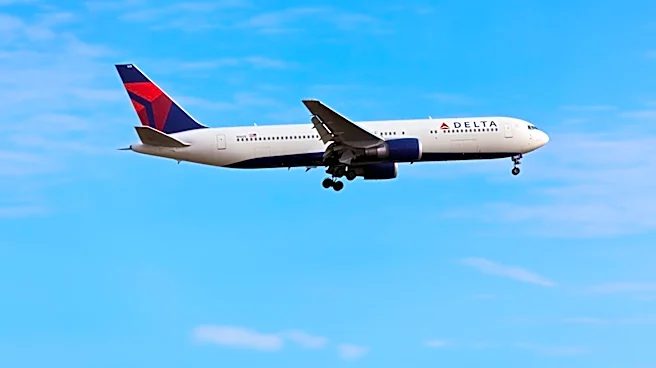
Delta Air Lines CEO Ed Bastian has publicly criticized Heathrow Airport's decision to move Delta's operations from Terminal 3 to Terminal 4, effective in 2028. This relocation would separate Delta from its long-standing partner, Virgin Atlantic, which
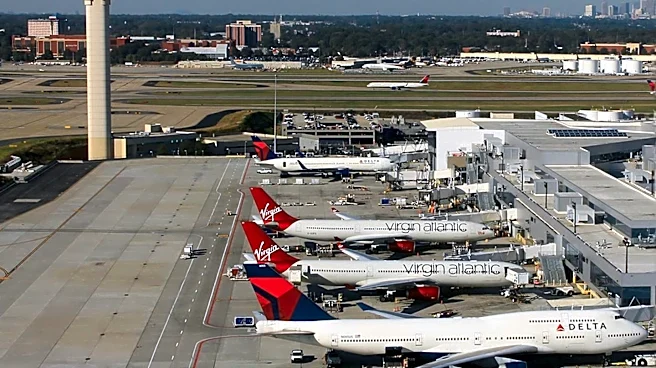
is slated to remain in Terminal 3. Bastian labeled the decision as 'short-sighted, deeply disappointing, and bad for airline consumers.' For over a decade, Delta and Virgin Atlantic have operated co-located services in Terminal 3, providing passengers with integrated travel experiences, convenient connections, and access to shared premium amenities like Virgin Atlantic's Clubhouse. Delta views this move as undermining years of investment in their partnership and disregarding the benefits offered to customers through their co-located terminal operations. The airline has stated its intention to 'pursue all available remedies to correct this decision' and urges Heathrow Airport to reconsider for the benefit of travelers and competition.
Why It's Important?
This dispute is significant for U.S. airline consumers and the broader transatlantic travel market. The separation of Delta and Virgin Atlantic at Heathrow could lead to a less seamless travel experience for passengers connecting between the two airlines, potentially involving inconvenient terminal transfers. This could diminish the competitive offering that the Delta-Virgin Atlantic partnership provides, especially for premium travelers who value the integrated services and shared lounge access. For Delta, the move represents a disruption to a well-established and successful operational model, potentially requiring new investments and adjustments to maintain service quality. The outcome of this challenge could influence how major international airports manage terminal allocations for airline alliances, impacting operational efficiencies and passenger convenience across the global aviation industry.
What's Next?
Delta Air Lines has indicated it will 'pursue all available remedies' to challenge Heathrow Airport's decision. While a lawsuit has not yet been filed, this suggests potential legal or regulatory actions could be initiated by Delta to prevent the relocation. Heathrow Airport, having conducted a three-year terminal review, asserts that the changes aim to improve capacity utilization and operational resilience, with airlines representing 81% of its passengers reportedly supporting the overall reshuffle. Other airlines, including Finnair, Japan Airlines, LATAM, and China Southern, are also affected by the wider terminal reorganization. The situation is a dispute over a planned change for 2028, meaning immediate passenger impact is not expected. The coming months may see further negotiations, public statements, or formal challenges from Delta as it seeks to preserve its co-located operations with Virgin Atlantic.
Beyond the Headlines
The conflict between Delta and Heathrow Airport highlights the complex dynamics between airlines and airport authorities, particularly in congested global hubs. While airports aim to optimize overall operational efficiency and accommodate growth, airlines prioritize maintaining strategic partnerships and seamless passenger experiences. This situation also underscores the value airlines place on integrated operations within alliances, as co-location directly impacts customer loyalty and competitive positioning. The dispute could set a precedent for how airports balance their operational needs with the commercial and strategic interests of their airline partners. Furthermore, it brings into focus the concept of 'customer-centricity' in airport management, as Delta argues the move is detrimental to airline consumers, while Heathrow emphasizes broader operational improvements. The resolution will likely involve a careful balancing act between these competing priorities.