


What's Happening?
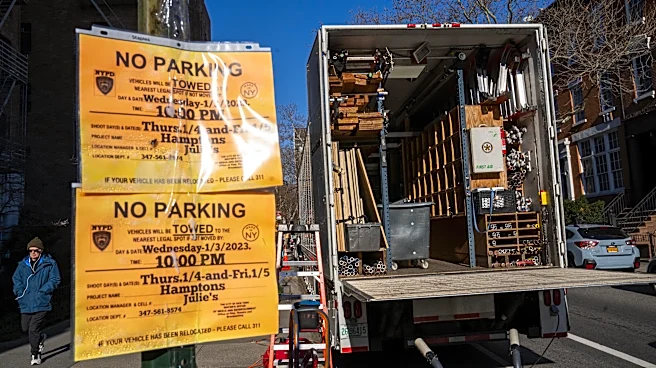
Actors Adam Driver and Scarlett Johansson are starring in James Gray's new crime thriller, 'Paper Tiger,' set in 1980s New York. The film also features Miles Teller and is based on Gray's teenage memories, blending a crime narrative with a family drama.
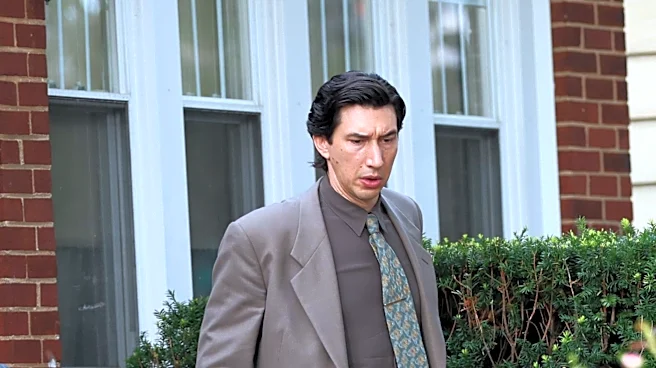
Driver plays Gary Pearl, a wealthy former police officer, who convinces his engineer brother Irwin (Teller) to enter a business venture that goes awry. This business connects them to the Russian mob, leading to violence and deceit that strains the brothers' relationship and Irwin's marriage to his wife, played by Johansson. The story draws from Gray's personal family history, including his father's legal troubles and criminal conviction. Gray aimed for faithfulness to real events while taking narrative liberties. The film was shot using old-school technology, including tungsten lights, celluloid film, and vintage lenses, contributing to its period feel. Driver and Johansson previously earned Oscar nominations for their roles in Noah Baumbach's 'Marriage Story'.
Why It's Important?
The release of 'Paper Tiger' is significant for the film industry, bringing together acclaimed actors Adam Driver and Scarlett Johansson, whose previous collaboration in 'Marriage Story' garnered critical recognition and Oscar nominations. This reunion under director James Gray, known for his autobiographical themes in films like 'Armageddon Time,' suggests a potential for another critically acclaimed production. The film's unique blend of crime thriller and family drama, rooted in the director's personal history, offers a compelling narrative that could resonate with audiences interested in character-driven stories. The use of old-school filmmaking techniques also highlights a commitment to a specific aesthetic, which could appeal to cinephiles and influence contemporary filmmaking trends. The film's exploration of family dynamics under extreme pressure, combined with its gritty 1980s New York setting, provides a rich backdrop for examining themes of loyalty, betrayal, and the impact of criminal enterprises on personal lives.
What's Next?
Following its release, 'Paper Tiger' will likely be a subject of critical review and audience discussion, particularly given the involvement of its high-profile cast and director. The film's performance at the box office and its reception by critics could influence future projects for Driver, Johansson, and Gray. Awards season consideration is also a possibility, especially given the past accolades of its lead actors. The film's unique production approach, utilizing vintage technology, may also spark conversations within the filmmaking community about the merits of traditional techniques versus modern digital methods. Furthermore, the film's exploration of autobiographical themes could encourage other filmmakers to delve into their personal histories for narrative inspiration, potentially leading to a trend of more personal and introspective storytelling in cinema.
Beyond the Headlines
Beyond its immediate release, 'Paper Tiger' delves into deeper implications concerning the intersection of personal history and cinematic storytelling. James Gray's decision to base the film on his own family's experiences, including his father's criminal conviction, raises questions about the ethics and impact of fictionalizing real-life trauma. This approach can offer profound insights into human nature and societal pressures, but it also navigates the delicate balance between authenticity and artistic license. The film's setting in 1980s New York, a period often romanticized yet fraught with social and economic challenges, provides a lens through which to examine historical contexts of crime and family dynamics. The use of older filmmaking technology also speaks to a broader cultural conversation about nostalgia, authenticity, and the enduring power of traditional cinematic craftsmanship in an increasingly digital world. This commitment to a specific aesthetic can be seen as a statement on artistic integrity and a deliberate choice to evoke a particular mood and texture that modern techniques might not achieve.