
What's Happening?
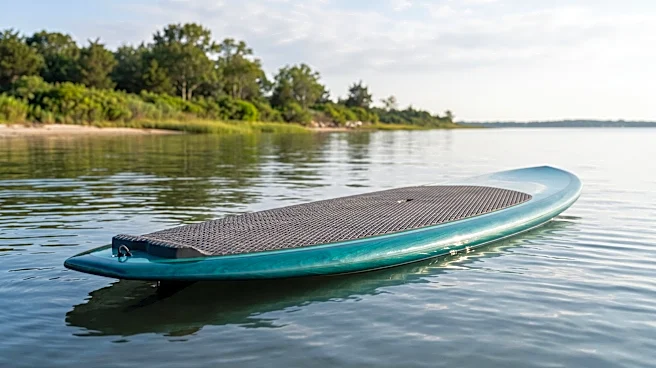
Long Beach Island (LBI), New Jersey, a region recognized for its coastal scenery and calm Barnegat Bay waterways, has become a notable location for stand-up paddle (SUP) yoga. This activity involves performing traditional yoga poses on a floating paddleboard,
introducing an additional physical challenge compared to practicing on a stable mat. The inherent instability of the paddleboard on water necessitates continuous adjustments from participants, engaging core muscles, hips, legs, and back to maintain balance. This practice is designed to improve coordination and stability, with progress varying based on individual fitness levels and consistency. Beginner-friendly movements, such as tabletop poses and modified planks, are incorporated to help develop core control without requiring advanced skills. The serene bay environment provides a suitable setting for combining exercise with outdoor activity.
Why It's Important?
The growing popularity of SUP yoga in locations like Long Beach Island highlights a broader trend in the U.S. fitness industry towards integrating outdoor activities with established wellness practices. This fusion offers a unique value proposition, attracting individuals seeking both physical benefits and a connection with nature. For local economies in coastal areas, the availability of such specialized fitness classes can boost tourism and recreational spending, supporting small businesses that offer equipment rentals, instruction, and related services. The emphasis on core strength, balance, and flexibility addresses common fitness goals, potentially appealing to a wide demographic, from seasoned yogis to those new to paddleboarding. This trend also underscores an increasing consumer demand for innovative and engaging ways to stay active, moving beyond traditional gym settings.
What's Next?
As SUP yoga gains traction, it is likely that more coastal and lakeside communities across the U.S. will begin offering similar programs. This expansion could lead to increased demand for certified instructors skilled in both yoga and paddleboarding, as well as specialized equipment designed for on-water practice. Further innovation in SUP yoga class formats, potentially incorporating elements like guided meditation or advanced pose sequences, could also emerge. The continued growth of this niche market may also prompt local tourism boards and recreational organizations to promote SUP yoga as a key attraction, further integrating it into regional outdoor activity offerings. Additionally, as the practice becomes more widespread, there may be a greater focus on safety guidelines and environmental considerations for water-based fitness activities.
Beyond the Headlines
The integration of yoga with paddleboarding reflects a deeper cultural shift towards holistic wellness, where physical exercise is combined with mental and environmental engagement. Practicing yoga on water not only enhances physical attributes like balance and core strength but also offers a unique meditative experience, leveraging the calming effects of natural water environments. This approach can contribute to reduced stress and improved mental clarity, addressing the increasing need for mindfulness in modern life. Furthermore, the accessibility of SUP yoga, with options for various skill levels, promotes inclusivity in outdoor sports, encouraging a broader range of individuals to participate in water-based activities. This trend also subtly promotes environmental awareness, as participants are directly immersed in and connected to natural aquatic ecosystems.