






What's Happening?
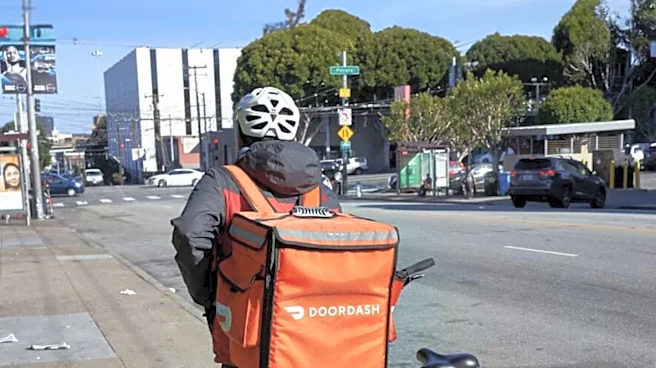
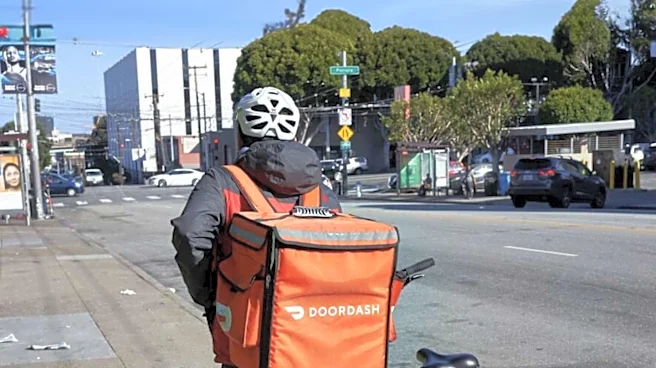
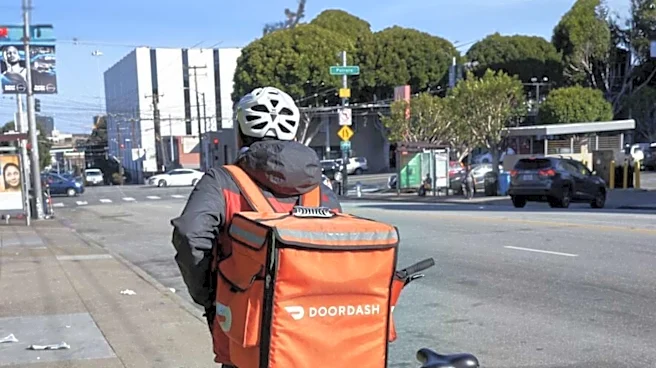
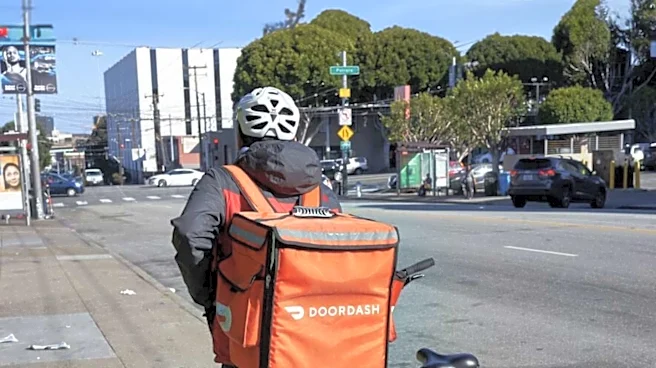
A DoorDash driver initiated a public discussion after messaging a customer to express dissatisfaction with a 20% tip for a delivery that covered nearly 20 miles. The customer, identified as Lê, shared a TikTok photo series detailing the interaction, which
quickly garnered over 137,000 views. The driver's message stated, "I am here. I used my car to drive 18 miles to get here and back for $6.00," implying the tip was insufficient for the distance. Lê clarified that she was unaware of the store's distance from her location, having placed the order through the Insomnia Cookies website rather than the DoorDash app directly. She also confirmed that the 20% tip was already included. The incident has led to a divided response online, with some supporting the driver's sentiment regarding low pay for long distances, while others argue that drivers are aware of the payout and distance before accepting an order.
Why It's Important?
This incident highlights ongoing tensions and challenges within the gig economy, particularly concerning driver compensation and customer expectations. For DoorDash and similar platforms, it underscores the complexities of their payout structures, which combine base pay, customer tips, and incentives. Drivers often rely heavily on tips, with NerdWallet estimating that half of their earnings come from this source, contributing to an hourly rate between $18 and $25. However, the wear and tear on vehicles, fuel costs, and maintenance are significant expenses for drivers, which can make a 20% tip on a small order for a long distance feel inadequate. The debate also brings to light the varying perspectives on tipping etiquette and the transparency of delivery logistics for customers, especially when orders are placed through third-party sites. This situation could influence how both customers and drivers perceive their roles and responsibilities within the delivery ecosystem.
What's Next?
The public discussion generated by this incident may prompt DoorDash and other delivery platforms to re-evaluate or clarify their compensation models, particularly for long-distance deliveries. While DoorDash offers drivers options like "earn per offer" or "earn by time," the perceived fairness of these models remains a point of contention. Customers might become more conscious of delivery distances and their tipping practices, potentially leading to adjustments in how they calculate tips or choose delivery services. For drivers, the incident could fuel further calls for more transparent and equitable pay structures that better account for operational costs. The company may also need to address how orders placed through merchant websites integrate with their driver compensation and customer communication protocols to prevent similar misunderstandings.
Beyond the Headlines
This event touches upon broader societal discussions about the value of labor in the gig economy and the ethical considerations of tipping culture. It raises questions about whether the onus of fair compensation should primarily rest on the customer through tipping, or if platforms like DoorDash should bear more responsibility for ensuring a living wage for their drivers. The lack of a direct reporting mechanism for Lê, due to placing the order through Insomnia Cookies' website, also points to potential gaps in customer service and dispute resolution across integrated platforms. This scenario could contribute to a re-evaluation of consumer protection and driver support mechanisms in the rapidly evolving landscape of on-demand services, potentially leading to calls for clearer guidelines or regulatory oversight regarding driver pay and customer interaction.