









What's Happening?
Ticketmaster is under renewed scrutiny following a viral TikTok video that highlighted a substantial $168.30 gap between a seller's listed price for a Bruno Mars concert ticket and the price a buyer would see, as well as the seller's projected payout.
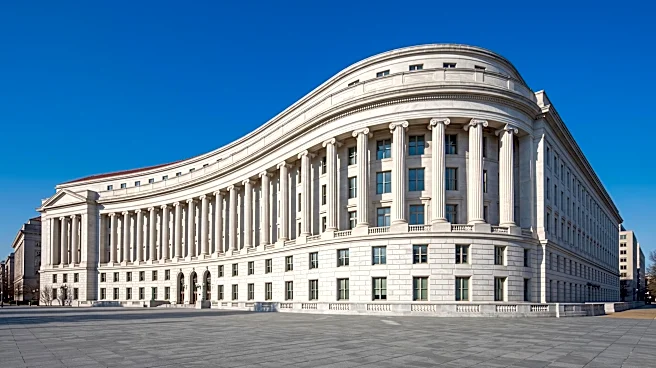
The video showed a seller listing a ticket for $299, with a projected payout of $254.15 after a 15% service fee. However, the same seat was displayed to buyers on Ticketmaster for $422.45. This discrepancy has intensified concerns about Ticketmaster's resale practices, especially as the company and its parent Live Nation are currently defending a federal lawsuit brought by the Federal Trade Commission (FTC) and seven states. The FTC's complaint alleges that Ticketmaster earns revenue from resale transactions through fees charged to both buyers and sellers, and in some instances, can independently increase a resale ticket's price. The government claims Live Nation and Ticketmaster collected $986 million in resale fees and over $187 million from markups on resale tickets between 2019 and 2024.
Why It's Important?
This incident underscores the ongoing debate and legal challenges surrounding the transparency and fairness of ticket resale markets, particularly in the U.S. The significant price disparity between what a seller receives and what a buyer pays, coupled with the existing FTC lawsuit, highlights potential issues of consumer exploitation and anti-competitive practices. For consumers, this means navigating a complex and often opaque pricing structure, leading to frustration and distrust. For the live entertainment industry, it raises questions about the role of primary ticketing platforms in the secondary market and the impact on artist-fan relationships. The outcome of the FTC lawsuit could lead to significant changes in how Ticketmaster and other ticketing platforms operate, potentially mandating greater transparency in fee structures and limiting their ability to control resale prices, which would have a broad impact on the U.S. entertainment economy.
What's Next?
The federal lawsuit against Ticketmaster and Live Nation is proceeding, with a federal judge recently rejecting their attempt to dismiss the FTC case. This allows claims regarding ticket limits, resale activities, and allegedly deceptive fee displays to move forward. The viral TikTok video is likely to add further public pressure and potentially serve as additional evidence in ongoing investigations or future regulatory actions. Ticketmaster maintains that sellers determine the base price and that resale service fees may be shared among various parties involved in an event. However, the FTC's allegations suggest a more active role by Ticketmaster in influencing resale prices. Future developments will likely involve continued legal proceedings, potential legislative efforts to regulate ticketing practices, and increased scrutiny from consumer advocacy groups. The resolution of these legal challenges could redefine the landscape of ticket sales and resales in the U.S.
Beyond the Headlines
The controversy surrounding Ticketmaster's resale fees extends beyond mere pricing discrepancies; it touches upon fundamental issues of market power and consumer protection in the digital age. As a dominant player in the ticketing industry, Ticketmaster's practices have a profound impact on access to live events and the overall fan experience. The 'hidden fees' and complex fee structures often lead to 'junk fees,' a practice that the current U.S. administration has been actively trying to combat. This situation highlights the ethical dilemma of platforms profiting significantly from both sides of a transaction while potentially obscuring the true cost to the consumer. The ongoing legal battles and public outcry could catalyze broader reforms aimed at fostering a more transparent and equitable ticketing ecosystem, potentially influencing how other digital marketplaces disclose their fees and manage secondary sales.