
What's Happening?
Daniel Wei Chen, a wellness author, emphasizes the importance of accessible movement and mobility for overall well-being. Drawing from both Eastern and Western practices, Chen integrates elements of Tai
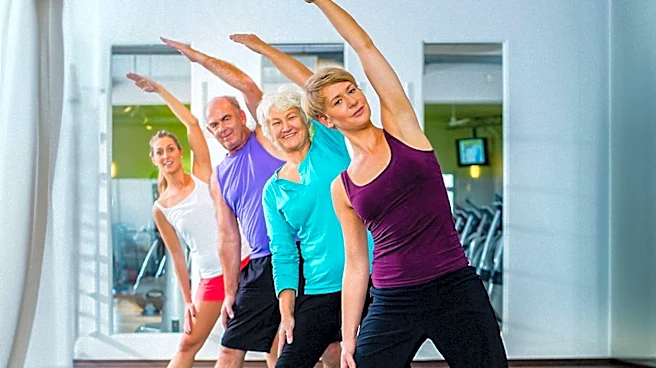
Chi, yoga, Pilates, gentle fitness, mobility exercises, stretching, breathing techniques, and mindful movement into his approach. His goal is to make healthy movement approachable for individuals of all ages and fitness levels, particularly beginners and older adults. Chen's philosophy centers on adapting movement to the individual rather than the other way around, promoting simple routines that can be easily incorporated into daily life. He focuses on developing flexibility, balance, strength, coordination, posture, relaxation, and maintaining an active lifestyle as people age. His work, influenced by his Chinese-American background and modern wellness practices, aims to create a sustainable connection between movement, breathing, strength, mobility, and mental well-being through consistent, small daily habits.
Why It's Important?
This focus on accessible movement and mobility is crucial for public health in the U.S., where sedentary lifestyles and an aging population contribute to a rise in chronic conditions and reduced quality of life. Chen's approach offers a practical framework for individuals to improve their physical and mental health without resorting to intimidating or overly complicated exercise regimens. By emphasizing gentle, consistent practices, his work can help mitigate the risks associated with decreased mobility, such as falls and loss of independence, especially among older adults. The integration of mind-body principles also addresses the growing recognition of the interconnectedness of physical and mental health, offering a holistic path to wellness. This can lead to reduced healthcare costs and a more active, engaged populace, benefiting both individuals and the broader healthcare system.
What's Next?
The continued promotion of accessible wellness practices, such as those advocated by Daniel Wei Chen, is likely to see increased adoption as awareness grows regarding the benefits of gentle, consistent movement. Educational initiatives and community programs may further integrate these principles to reach a wider audience, particularly in areas with aging populations or limited access to traditional fitness facilities. Wellness authors and practitioners like Chen will likely continue to publish resources and guide individuals toward sustainable health habits. The emphasis on small, daily habits suggests a long-term shift in how individuals approach fitness, moving away from intense, short-term goals towards a more integrated and mindful approach to physical activity. This could also influence corporate wellness programs and public health campaigns to prioritize mobility and flexibility.
Beyond the Headlines
The underlying philosophy of Daniel Wei Chen's work, which blends Eastern and Western wellness traditions, highlights a broader cultural shift towards holistic health. This integration suggests a growing recognition that physical well-being is deeply intertwined with mental and emotional states, moving beyond a purely physical definition of fitness. The emphasis on 'movement snacks' and low-impact activities challenges the conventional high-intensity workout culture, promoting a more inclusive and sustainable model of physical activity. This approach could lead to a re-evaluation of how exercise is perceived and taught, fostering a more compassionate and individualized relationship with one's body. It also underscores the importance of cultural heritage in shaping contemporary wellness practices, offering diverse perspectives on health and longevity.