

What's Happening?
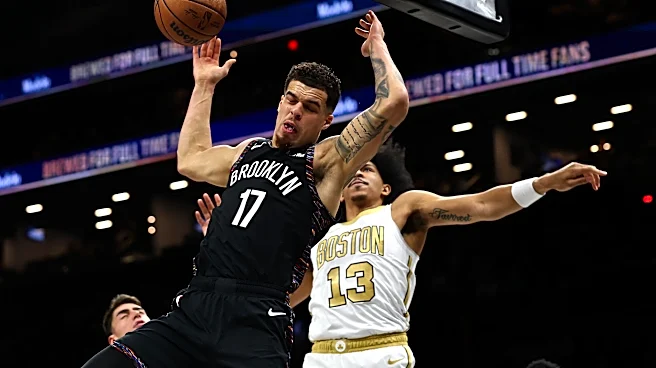
Bleacher Report's Eric Pincus has proposed a significant NBA trade scenario that would send Michael Porter Jr. back to his former team, the Denver Nuggets, from the Brooklyn Nets. This hypothetical deal, crafted several months ahead of the February 11
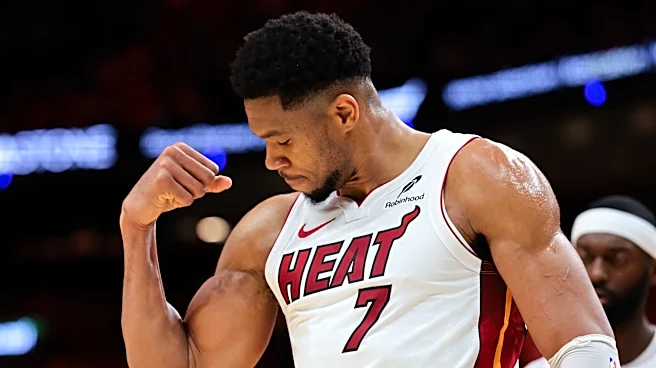
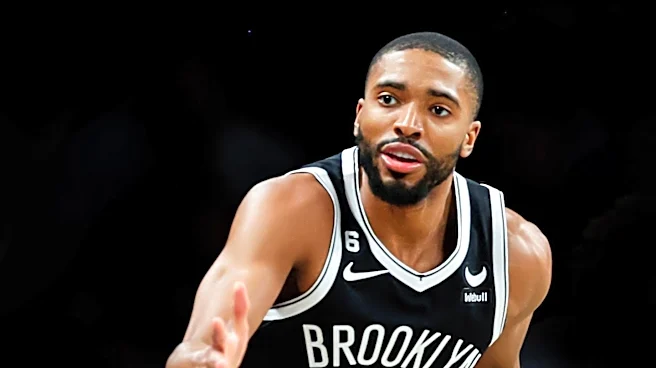
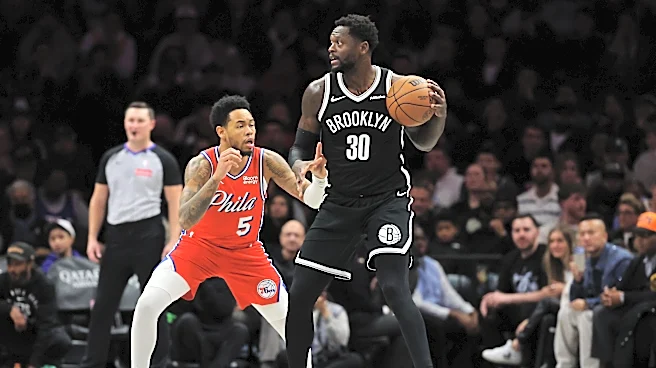
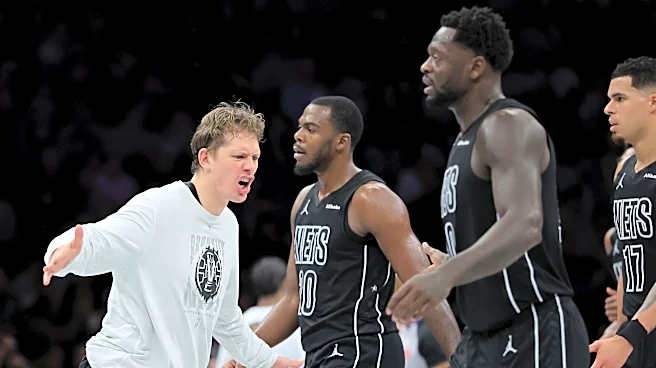
trade deadline, aims to address the Nuggets' current financial constraints and their performance since winning the 2023 NBA Finals. The Nuggets, currently 8-5, are the only team exceeding the league's $221.7 million second apron, which severely limits their ability to improve their roster. The original trade in July 2025 saw Denver send Porter Jr. and a 2032 first-round pick to Brooklyn for Cam Johnson, primarily to shed salary and reshape their roster after consecutive second-round playoff exits. Pincus's proposed package involves the Nuggets receiving Porter Jr., Keon Ellis, and Ben Saraf, along with creating two trade exceptions. In return, the Nets would acquire Cam Johnson, Christian Braun, Zeke Nnaji, DaRon Holmes II, a 2031 first-round pick (via the Cleveland Cavaliers), a 2031 second-round pick (via the Sacramento Kings), and two trade exceptions. However, this proposal faces significant obstacles, particularly Porter Jr.'s demand for a new extension worth $40 million annually, a price the Nets are reportedly unwilling to meet and which may deter other potential trade partners.
Why It's Important?
This trade proposal highlights the ongoing financial challenges and strategic dilemmas faced by NBA teams, particularly those operating above the luxury tax and second apron. For the Denver Nuggets, reacquiring Porter Jr. would mean bringing back a proven scorer who averaged 24.2 points on 36.3% from three-point range in his last season with them. His return could potentially bolster their offensive firepower, which some believe has been lacking since his departure, especially after their first-round playoff exit last season. However, the financial implications are substantial. The Nuggets initially traded Porter Jr. to get under the luxury tax and reshape their roster. Taking on his desired $40 million annual extension would contradict their previous financial strategy and could further complicate their cap situation. For the Brooklyn Nets, the deal hinges on their evaluation of young assets like Christian Braun and the potential of future draft picks. If they are unwilling to meet Porter Jr.'s extension demands, trading him for a package of players and picks could be a strategic move to rebuild or retool their roster. The trade also underscores the value placed on draft capital and young talent in today's NBA, as teams constantly seek to balance immediate competitiveness with long-term financial flexibility and asset accumulation.
What's Next?
The proposed trade, if it were to gain traction, would likely not occur until December 15, when Keon Ellis's trade restriction lifts. For the Nuggets, any move to reacquire Porter Jr. would necessitate a careful re-evaluation of their financial strategy and long-term roster construction, especially considering their current position above the second apron. They would need to weigh the immediate on-court benefits of Porter Jr.'s scoring against the significant financial commitment and the assets they would have to relinquish, including Christian Braun, who is in the first year of a five-year, $125 million extension. The Nets, on the other hand, will continue to assess Porter Jr.'s value and his extension demands. If they remain unwilling to meet his price, they will likely explore other trade opportunities before the February 11 deadline, seeking a package that aligns with their future plans. The broader NBA landscape will also be watching, as such a significant trade could influence other teams' strategies regarding player extensions, salary cap management, and asset acquisition. The outcome of Porter Jr.'s contract situation and potential trade will be a key storyline as the trade deadline approaches.
Beyond the Headlines
This trade scenario delves into the complex interplay of player value, team finances, and long-term strategic planning in the NBA. The Nuggets' initial decision to trade Porter Jr. reflected a common dilemma for successful teams: how to maintain competitiveness while managing escalating player salaries and restrictive luxury tax rules. The idea of bringing him back, despite the financial hurdles, suggests a potential regret over the initial move or a belief that his offensive impact is indispensable for championship contention. This highlights the constant tension between short-term success and long-term financial health in professional sports. Furthermore, Porter Jr.'s demand for a $40 million annual extension underscores the rising market value for elite offensive talent, even for players with past injury concerns. This trend impacts not only individual team payrolls but also the overall economic structure of the league, potentially leading to more frequent player movement as teams struggle to retain stars under increasingly stringent salary cap regulations. The proposed trade also implicitly questions the effectiveness of the NBA's second apron rules, as teams like the Nuggets are actively seeking ways to navigate or circumvent these restrictions to improve their rosters, indicating that these financial mechanisms are significantly influencing team-building decisions.