
What's Happening?
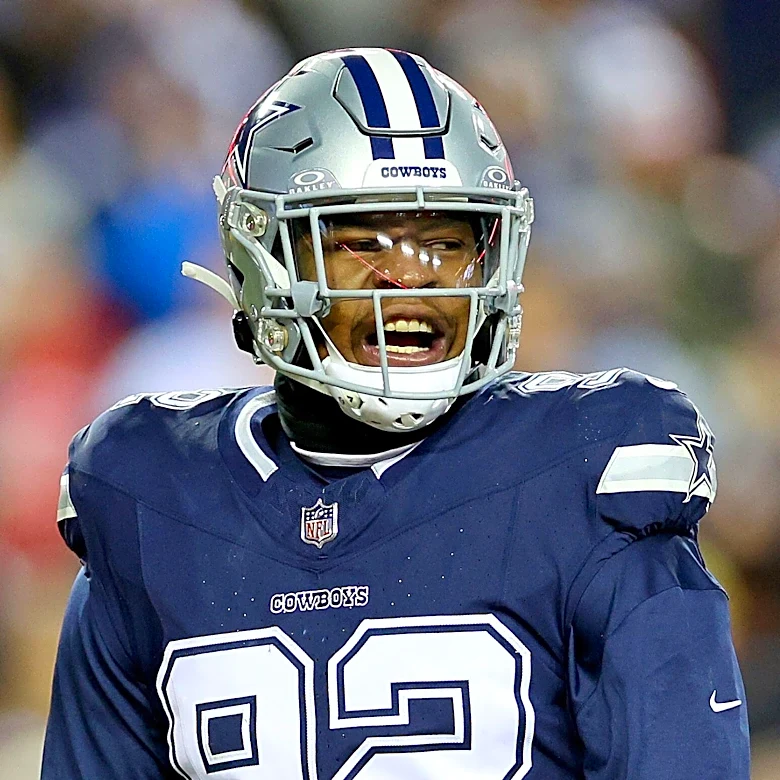
Several NFL teams are reportedly reassessing their strategic decisions made in 2026, particularly concerning draft picks and player contracts. The Arizona Cardinals are facing scrutiny for selecting running back Jeremiyah Love over prioritizing defensive
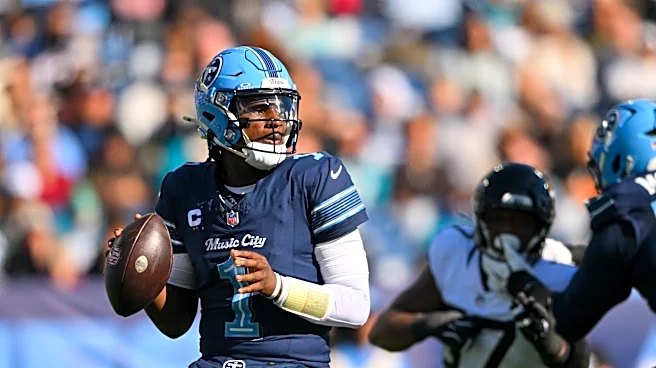
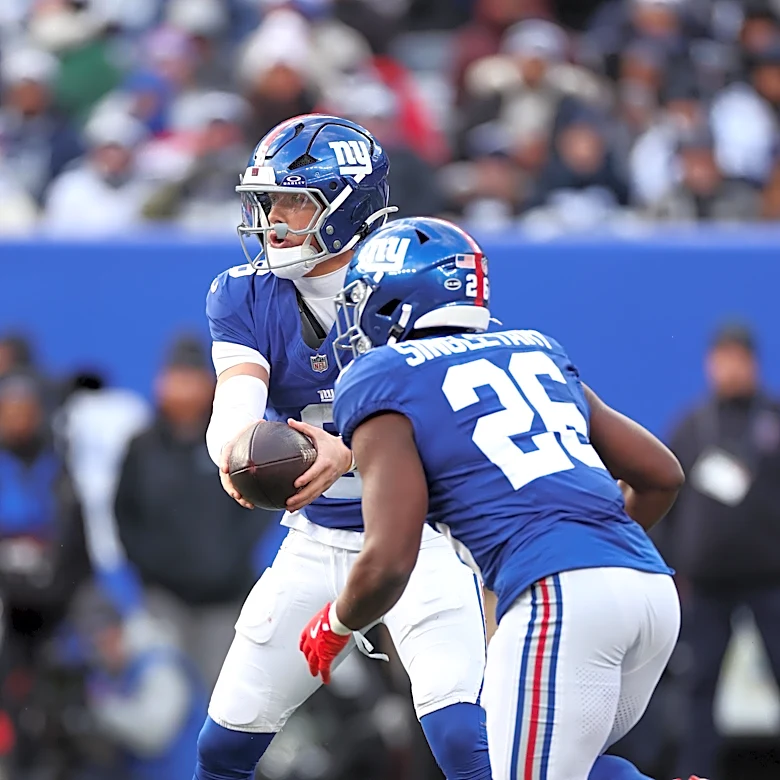
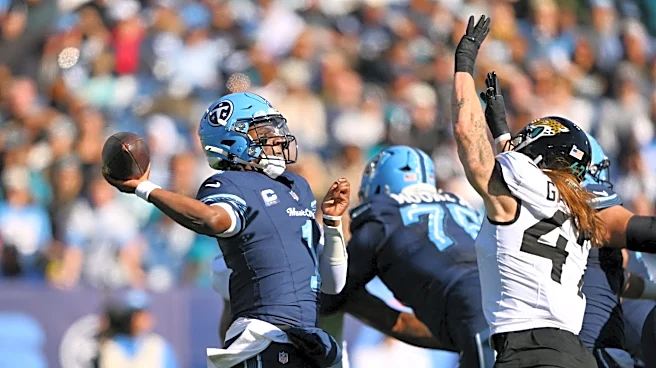
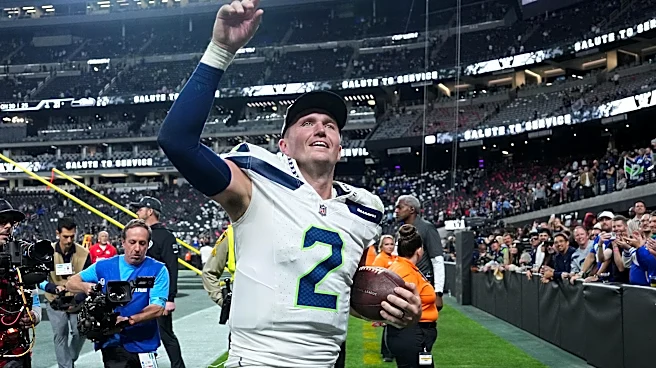
needs, a move compared to the New York Giants' 2018 draft of Saquon Barkley. The Los Angeles Rams are also under fire for drafting Alabama quarterback Ty Simpson at pick No. 13, despite having other pressing roster needs and relying on an aging Davante Adams. Meanwhile, the Seattle Seahawks are regretting their decision not to re-sign running back Kenneth Walker III after he helped them win Super Bowl LX, leading to a less effective running back room. Lastly, the Tennessee Titans' choice to hire Robert Saleh as head coach instead of an offensive-minded coach is being questioned, especially given the struggles in developing quarterback Cam Ward and the team's 27th ranking in EPA/Pass.
Why It's Important?
These decisions highlight the significant impact of draft and free agency strategies on team performance and long-term success in the NFL. The Cardinals' choice underscores the ongoing debate about the value of drafting running backs early, a position often seen as replaceable, and the importance of addressing broader team weaknesses. The Rams' situation illustrates the risks of prioritizing a quarterback when other offensive weapons might be more critical, especially with key players sidelined. The Seahawks' failure to retain a Super Bowl-winning running back demonstrates the potential pitfalls of underestimating player value, even in positions considered less crucial. For the Titans, the coaching philosophy directly affects player development and offensive output, indicating that a mismatch between coaching style and team needs can severely hinder progress and competitive standing.
What's Next?
NFL teams will likely continue to evaluate their roster compositions and coaching strategies in response to these perceived missteps. The Cardinals may need to adjust their draft philosophy to address defensive gaps, potentially seeking more impactful defensive players in future drafts. The Rams will need to find hidden gems or make significant moves in free agency to bolster their receiving corps, as their current reliance on aging or unproven talent is unsustainable. The Seahawks face the challenge of rebuilding their running back room and finding a consistent ground game to support their offense. For the Titans, a re-evaluation of their offensive approach and coaching staff might be necessary to improve quarterback Cam Ward's development and overall team performance, potentially leading to further personnel changes.
Beyond the Headlines
These situations reflect a broader trend in the NFL where teams constantly balance immediate needs with long-term strategic planning. The perceived 'devaluation' of the running back position, as seen with the Cardinals and Seahawks, often leads to difficult contract decisions and can impact team morale and fan loyalty. The Rams' draft choice also brings into focus the pressure on teams to secure a franchise quarterback, sometimes at the expense of other critical positions. The Titans' coaching dilemma highlights the evolving nature of NFL offenses, with a growing emphasis on innovative offensive schemes. These decisions, while seemingly isolated, contribute to the ongoing narrative of team building, player valuation, and the constant pursuit of competitive advantage in a highly dynamic league.