


What's Happening?
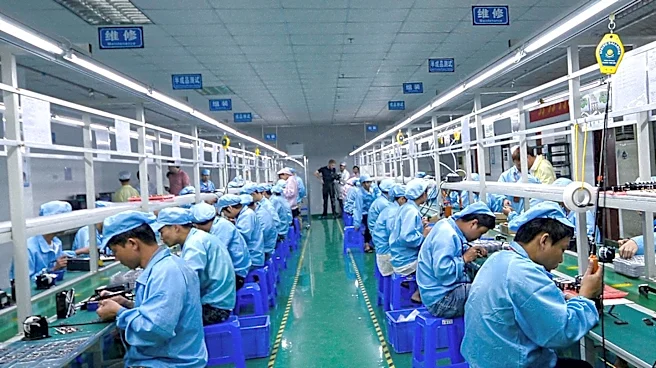
A recent investigation has shed light on the challenging working conditions faced by garment workers in Asian factories that produce clothing for major U.S. brands, including American Eagle. Workers in countries like Pakistan and Bangladesh report low
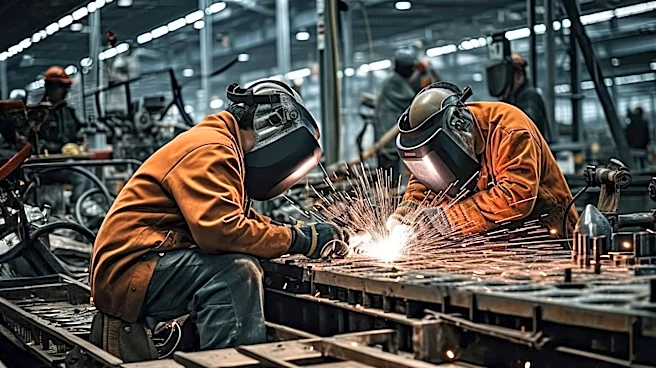
wages, excessively long hours, and dangerously hot factory environments. For instance, a single mother identified as S., working for Artistic Garment Industries, a supplier for American Eagle, claims she earns approximately $144 a month and works in an 'oppressively hot' factory where temperatures can exceed 106°F. She reports fainting three times due to the heat and pressure to meet production targets of 1,000 to 1,600 quality checks daily. Another worker, R. in Bangladesh, stitches 150 pieces of fabric per hour for Levi's and avoids drinking water to minimize bathroom breaks, fearing termination for not meeting targets. These accounts highlight a systemic issue within the fast fashion industry where workers are often compelled to risk their health due to poverty and stringent production demands from brands.
Why It's Important?
This investigation underscores the ethical and humanitarian concerns embedded within the global supply chains of U.S. fast fashion brands. The reported conditions, including extreme heat, low wages, and pressure to meet unrealistic production targets, raise serious questions about corporate social responsibility and the true cost of affordable clothing. For U.S. consumers, this information challenges the perception of brand ethics and may influence purchasing decisions, potentially leading to increased demand for ethically sourced products. For U.S. businesses, particularly those in the apparel industry, these revelations could prompt greater scrutiny from advocacy groups, investors, and regulatory bodies regarding their labor practices abroad. The reliance on auditing systems that workers claim are circumvented by factory management also highlights a significant flaw in current oversight mechanisms, suggesting that current efforts to ensure fair labor practices may be insufficient. This situation could lead to reputational damage for implicated brands and potentially drive legislative efforts in the U.S. to mandate more transparent and ethical supply chain practices.
What's Next?
In response to these findings, American Eagle has stated its commitment to protecting worker health and safety and is taking the concerns seriously. H&M, another brand mentioned, has required its suppliers to implement corrective action plans and is participating in a pilot program on heat stress in Pakistan. The International Accord, a legally binding commitment involving brands, companies, and trade unions, is developing a protocol on heat stress, which will make keeping workers cool an enforceable commitment for signatory brands in Bangladesh and Pakistan. This means regular factory inspections to ensure compliance. However, the effectiveness of these measures remains to be seen, especially given worker allegations of being coached on what to tell auditors. Future developments will likely involve continued pressure from labor rights groups for greater transparency and accountability from U.S. and international brands. Consumers may also increasingly demand proof of ethical production, potentially shifting market dynamics towards brands with verifiable fair labor practices.
Beyond the Headlines
The issues highlighted in this report extend beyond mere labor violations; they touch upon the broader implications of climate change on vulnerable populations and the inherent power imbalance in globalized manufacturing. The fact that factories are becoming 'oppressively hot' due to rising global temperatures, coupled with the economic desperation of workers, creates a perilous environment where health and safety are secondary to production quotas. This situation also exposes the limitations of current auditing systems, suggesting a need for more independent and unannounced inspections, or even worker-led monitoring initiatives. The 'fast fashion' model itself, which demands high volumes at low costs and quick turnaround times, is a significant driver of these exploitative conditions. Addressing these issues fundamentally requires a re-evaluation of the entire fashion industry's business model, potentially moving towards more sustainable and ethical production practices that prioritize human well-being over profit margins. This could involve higher prices for consumers but would reflect the true cost of production.