




What's Happening?
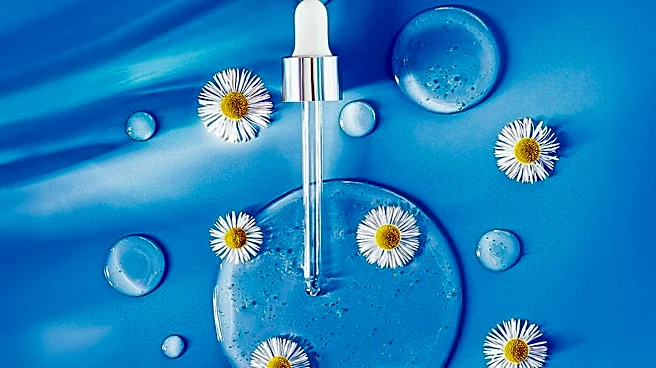
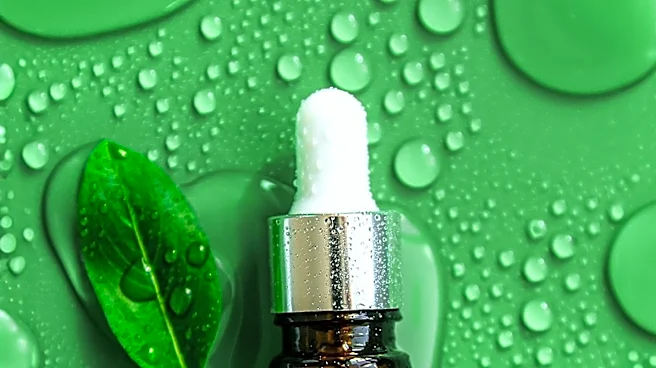
Peptide serums are increasingly being recognized for their anti-aging benefits, as they help stimulate collagen production, which can reduce the appearance of fine lines and wrinkles. According to dermatologists, peptides are short chains of amino acids
that signal the body to boost collagen production, thereby firming and smoothing the skin. These serums are often more expensive than basic moisturizers but are considered more effective due to their active ingredients. The Good Housekeeping Institute Beauty Lab has tested various peptide serums, finding that they are generally well-tolerated and non-irritating, making them suitable for daily use. Some popular products include L'Oréal Paris Age Perfect Serum Le Duo and No7 Protect & Perfect Intense Advanced Serum, both of which have shown significant improvements in skin firmness and texture.
Why It's Important?
The growing popularity of peptide serums highlights a shift in consumer preferences towards more scientifically-backed skincare solutions. As the demand for effective anti-aging products increases, the skincare industry is likely to see a rise in the development and marketing of peptide-based products. This trend could lead to more research and innovation in the field, potentially resulting in more effective and affordable options for consumers. Additionally, the emphasis on non-irritating and well-tolerated formulations makes these products appealing to a broader audience, including those with sensitive skin.
What's Next?
As peptide serums continue to gain traction, it is expected that more brands will invest in research to develop new formulations that combine peptides with other beneficial ingredients. This could lead to the introduction of multi-functional products that address various skin concerns simultaneously. Furthermore, as consumer awareness of the benefits of peptides grows, there may be an increase in demand for clinical studies to further validate their efficacy. This could result in more evidence-based marketing and potentially influence regulatory standards for skincare products.