







What's Happening?
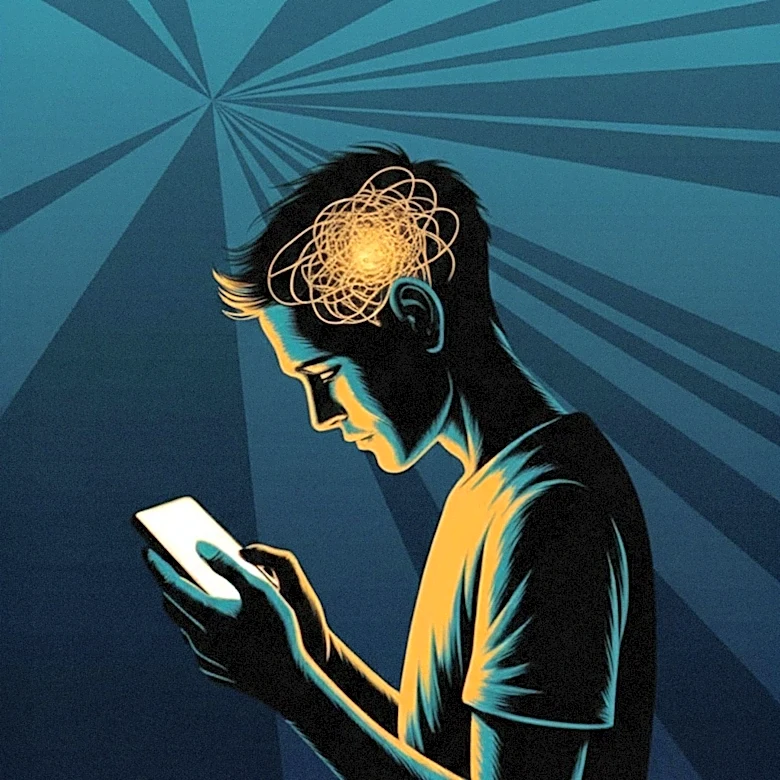
A recent survey by Ampere Analysis indicates that over half of consumers in the UK and US believe they spend too much time on their phones. Despite this awareness, 35% of those attempting to limit their screen time reported an increase in social media
usage over the past six months. Social media platforms are widely used, reaching over two-thirds of internet users weekly, with individuals spending more than 90 minutes daily interacting with feeds on platforms like Facebook, Instagram, TikTok, and Snapchat. The ease with which social media fills spare moments makes reducing its use particularly challenging for many. Health and well-being are significant motivators for those who have successfully cut back, with 69% citing these reasons for reducing social media time or deleting apps. Additionally, over 40% cited a lack of interesting content, and 30% pointed to an excess of AI-generated content as reasons for their reduction.
Why It's Important?
This trend highlights a growing public health concern regarding digital well-being and the pervasive influence of social media in daily life. For U.S. consumers, the struggle to limit screen time can impact mental health, productivity, and social interactions. The reliance on social media to combat boredom suggests a deeper societal shift in how individuals seek engagement and entertainment, potentially affecting traditional media consumption and leisure activities. The increasing dissatisfaction with AI-generated content on these platforms could lead to a demand for more authentic digital experiences, potentially shifting user engagement towards platforms that prioritize human-created content. This could also influence how social media companies develop their content strategies and moderation policies to retain users and address concerns about content quality.
What's Next?
Social media companies may face increasing pressure to address user concerns regarding excessive screen time and the quality of content, particularly the influx of AI-generated material. This could lead to the development of new features aimed at promoting digital well-being, such as more robust screen time management tools or algorithms that prioritize diverse and authentic content. Consumers might also seek out alternative platforms or digital habits that offer more meaningful engagement or less passive consumption. The ongoing debate around the impact of screen time on health and well-being is likely to continue, potentially prompting further research, public awareness campaigns, and even regulatory discussions about digital platform design and usage.
Beyond the Headlines
The struggle to limit screen time and the increasing reliance on social media for boredom relief point to a broader cultural challenge in the digital age. This phenomenon raises questions about the psychological mechanisms that drive compulsive digital engagement and the ethical responsibilities of technology companies in designing platforms that can be addictive. The perceived decline in content quality due to AI generation could lead to a re-evaluation of what constitutes valuable online interaction and information. This could foster a movement towards digital minimalism or a greater appreciation for offline activities and real-world connections, potentially reshaping societal norms around technology use and personal boundaries in the digital sphere.