





What's Happening?
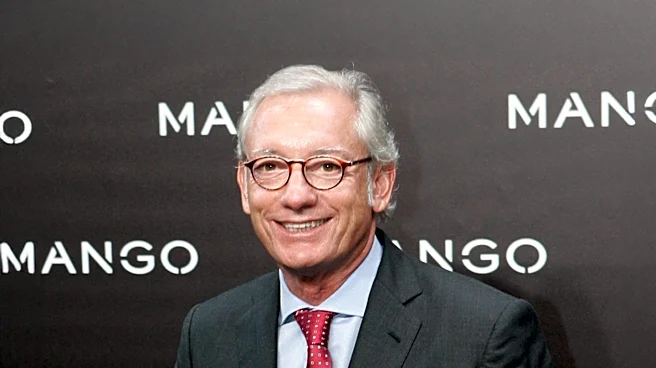
Michael Kassan, founder of MediaLink, has personally invested in OptimizeGEO, a generative engine optimization startup. This investment is part of a pre-Series A funding round led by Young Capital, which values OptimizeGEO at $80 million. OptimizeGEO specializes
in tracking and shaping how brands appear in responses generated by various AI platforms, including ChatGPT, Claude, Google AI Overviews, Gemini, Perplexity, and Copilot. Kassan emphasized the transformative potential of generative engine optimization (GEO), stating that it is a significant evolution beyond traditional search, fundamentally altering how consumers discover brands. He believes that the future may not even involve a traditional search page, highlighting the timely nature and opportunity presented by this technology.
Why It's Important?
Kassan's investment signals a growing recognition among industry leaders of the critical role generative AI will play in brand visibility and consumer discovery. As AI models become increasingly integrated into search and information retrieval, the methods for optimizing brand presence will shift dramatically from traditional SEO. This development is highly significant for U.S. businesses, particularly those in marketing, advertising, and e-commerce, as it indicates a new frontier for digital strategy. Companies that adapt quickly to GEO will gain a competitive advantage in reaching consumers, while those that lag may find their brands less visible in AI-driven environments. The $80 million valuation for a pre-Series A startup underscores the high expectations for this technology's market impact and its potential to reshape the digital marketing landscape, affecting how products and services are discovered and perceived by the public.
What's Next?
The investment will likely enable OptimizeGEO to further develop its technology and expand its services, potentially attracting more clients and additional funding rounds. As AI platforms continue to evolve and become more central to consumer interactions, the demand for specialized GEO services is expected to grow. This could lead to a new wave of innovation in marketing technology, with other companies entering the GEO space. Businesses will need to assess their current digital strategies and consider how to integrate GEO to maintain or improve their market presence. The shift away from traditional search pages, as predicted by Kassan, suggests that marketers will need to invest in understanding and leveraging AI-driven content generation and discovery mechanisms to remain relevant and effective in reaching their target audiences.
Beyond the Headlines
The rise of generative engine optimization raises deeper questions about the future of information access and brand influence in an AI-dominated world. If AI models become the primary interface for discovering products and services, the algorithms and data sources they use will wield immense power in shaping consumer choices and perceptions. This could lead to new ethical considerations regarding transparency, bias, and manipulation in AI-generated content. Furthermore, the concept of a 'search page' potentially disappearing implies a fundamental change in how information is organized and presented, moving towards more conversational or integrated discovery experiences. This shift could challenge existing regulatory frameworks for advertising and consumer protection, necessitating new approaches to ensure fair competition and informed consumer decisions. The long-term implications extend to the very nature of digital literacy and how individuals will navigate an increasingly AI-mediated information landscape.