
What's Happening?
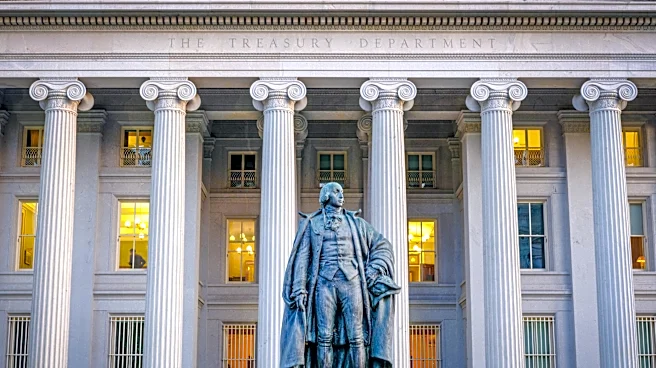
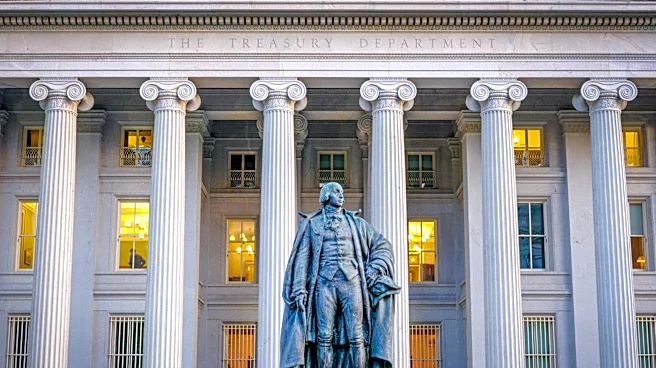
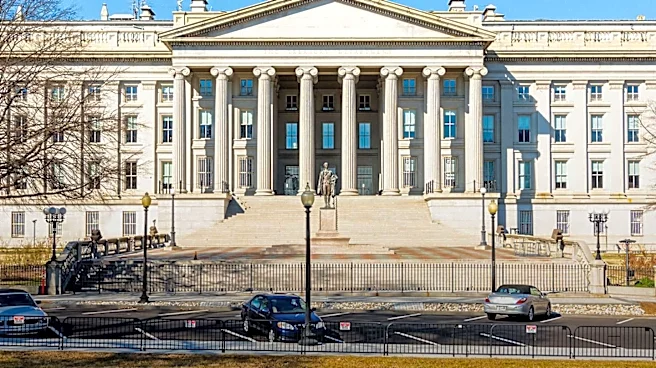
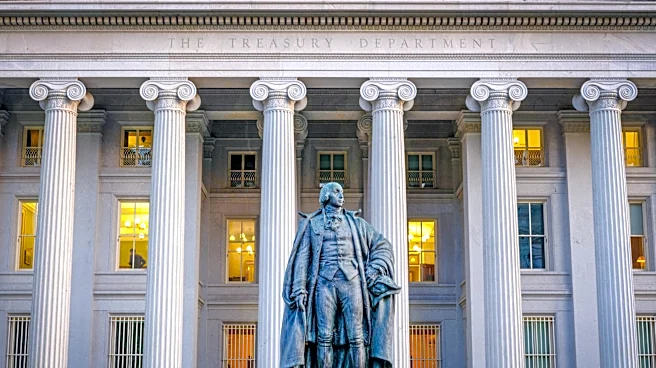
On October 13, 2026, the U.S. Treasury announced penalties exceeding $1.21 billion against Bank of America for willfully violating the Bank Secrecy Act. The Financial Crimes Enforcement Network (FinCEN)
imposed $1.2 billion of this penalty, crediting $750 million to the Office of the Comptroller of the Currency (OCC). The bank admitted to these violations, which included failing to adequately investigate potentially suspicious activities. A key finding was that Bank of America maintained a risk score threshold of 20 for alerts to be investigated, despite internal testing showing that activity scoring between 14 and 19 points had the highest suspicious activity report (SAR) yield. This threshold, initially set by 'stakeholder judgment,' remained in place for years, effectively suppressing investigations. FinCEN concluded that the bank 'prioritized its revenues and minimized the impact on its required compliance resources,' saving hundreds of millions of dollars in compliance costs. Even after a December 2024 cease-and-desist order from the OCC, the bank continued to fail in escalating suspicious activities, leading Comptroller Jonathan V. Gould to describe the violations as 'egregious and continued.'
Why It's Important?
This significant penalty against Bank of America underscores the critical importance of robust anti-money laundering (AML) compliance programs within the U.S. financial sector. The case highlights how a bank's internal resource allocation decisions can directly compromise its ability to detect and report suspicious financial activities, thereby undermining national security efforts against financial crimes. By prioritizing cost savings over compliance, Bank of America not only violated federal law but also potentially allowed illicit funds to flow through the financial system undetected. This action by FinCEN and the OCC sends a strong message to all financial institutions that regulators will scrutinize the effectiveness of their AML systems, particularly how risk thresholds are set and maintained. The finding that the bank 'effectively outsourced to third parties' a substantial part of its detection duties by relying on law enforcement inquiries rather than its own internal controls further emphasizes the need for proactive and self-sufficient compliance frameworks. This case could lead to increased regulatory pressure on other banks to review and strengthen their AML processes and resource allocation for compliance.
What's Next?
The penalties and findings against Bank of America are likely to prompt a more rigorous examination of compliance practices across the U.S. banking industry. Financial institutions may face increased scrutiny from regulators regarding their alert thresholds, resource allocation for investigations, and the independence of their internal detection systems. The U.S. reform agenda, as outlined by FinCEN's proposed rule of April 7, 2026, aims to empower financial institutions to focus resources on higher risks, but this case clarifies that suppressing alerts due to capacity constraints is unacceptable. Regulators will likely assess whether resource allocation decisions are informed by reasonably designed risk assessment processes, not by headcount limitations. Banks will need to ensure that their calibration of monitoring systems is evidence-based and transparent, with clear ownership and regular testing. The case also suggests that a rising reliance on external inquiries for suspicious activity investigations will be viewed critically, pushing banks to enhance their internal detection capabilities.
Beyond the Headlines
The Bank of America case reveals a deeper systemic issue within large financial institutions: the tension between operational efficiency, cost reduction, and regulatory compliance. The decision to maintain an inadequate alert threshold, despite internal data indicating its ineffectiveness, points to a corporate culture where financial gains were prioritized over regulatory obligations and the broader societal goal of combating financial crime. This incident highlights the ethical dimension of risk management, where 'staffing decisions wearing a risk label' can have far-reaching consequences. It also raises questions about the effectiveness of internal governance structures in ensuring that critical compliance functions are adequately resourced and that warnings from internal testing are acted upon. The case serves as a stark reminder that while technology can enhance detection, human oversight and a commitment to ethical conduct are paramount. The long-term implication could be a re-evaluation of how financial institutions integrate compliance into their core business strategy, moving it from a cost center to an integral part of risk management and corporate responsibility.