






What's Happening?
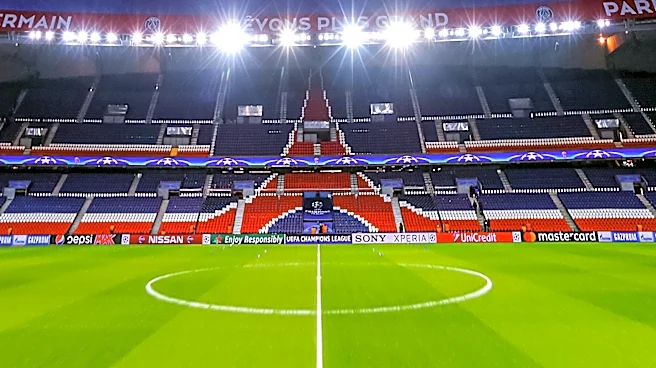
The 2026-27 UEFA Champions League season is set to commence with the first qualifying round, featuring several lesser-known clubs from across Europe. This stage of the competition begins just 38 days after Paris Saint-Germain's victory over Arsenal in the previous
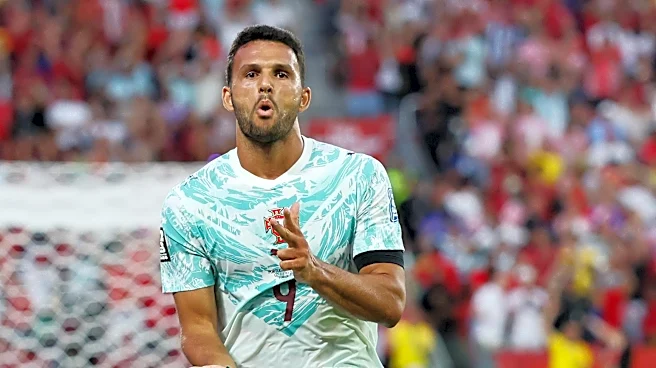
season's final. Among the clubs participating are Shamrock Rovers, who are preparing for the new campaign following their player Roberto Lopes' notable performance at the 2026 FIFA World Cup. Other clubs include the Lincoln Red Imps from Gibraltar, who have previously made headlines by defeating Celtic in a Champions League qualifier, and KÍ Klaksvík from the Faroe Islands, known for their strong performances in European competitions. These clubs, often overshadowed by Europe's football giants, bring unique stories and backgrounds to the tournament, highlighting the diverse nature of the competition.
Why It's Important?
The participation of these lesser-known clubs in the Champions League highlights the inclusivity and reach of European football. It provides these teams with a platform to showcase their talent on an international stage, potentially leading to increased recognition and financial opportunities. For the players, it offers a chance to compete against some of the best in the world, which can be a significant career milestone. Additionally, the success of these clubs can inspire local communities and foster a sense of pride and unity. Economically, it can boost local tourism and business as fans travel to support their teams. The stories of these clubs also add a layer of intrigue and diversity to the competition, appealing to a broader audience.
What's Next?
As the qualifying rounds progress, these clubs will aim to advance further in the competition, which could lead to matchups against more established European teams. Success in these rounds could result in increased media attention and sponsorship opportunities. For the clubs, advancing in the Champions League can provide significant financial rewards, which can be reinvested into improving facilities, training, and player acquisitions. The outcomes of these matches will also influence the clubs' domestic league performances, as they balance the demands of international and local competitions.