







What's Happening?
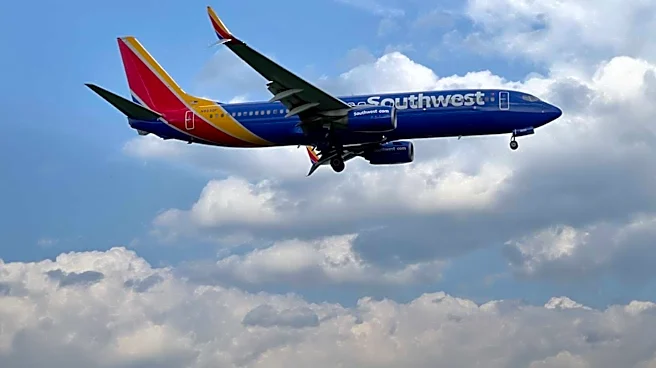
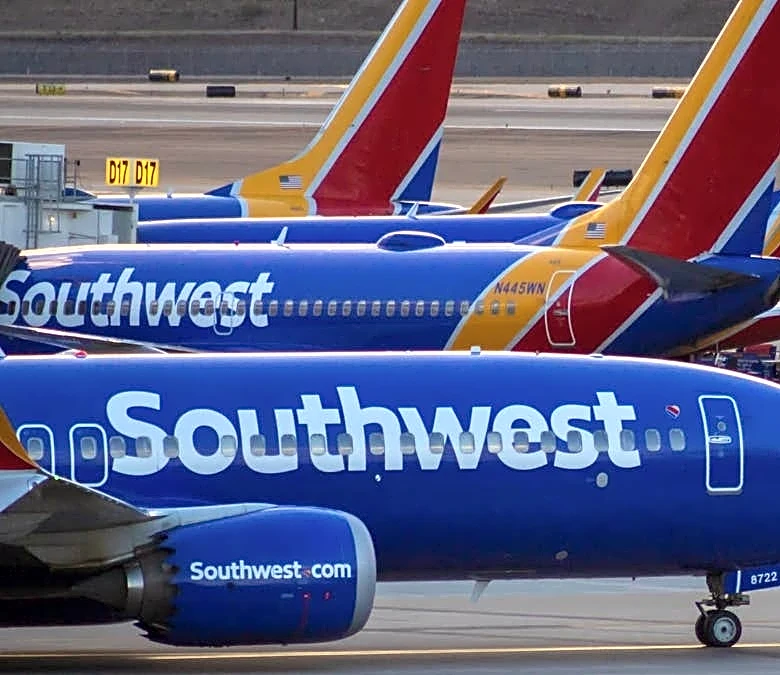
Southwest Airlines Co., a U.S.-based low-cost carrier headquartered in Dallas, Texas, operates a point-to-point domestic and near-international airline network. The company primarily utilizes Boeing 737 aircraft and offers a no-frills, single-class service
model aimed at maintaining competitive fares. Founded in 1967 by Herb Kelleher and Rollin King as Air Southwest Company, it began commercial service in 1971, initially connecting Dallas, Houston, and San Antonio. Over the decades, Southwest has expanded its route network to include over 100 destinations across the United States, Mexico, Central America, and the Caribbean. The airline's operational strategy emphasizes high aircraft utilization, quick turnaround times, and an open seating policy, allowing customers to board and select seats on a first-come, first-served basis. Its growth strategy has focused on both major markets and secondary airports, employing a flexible scheduling approach that adapts to seasonal demand and emerging travel trends. Bob Jordan has served as president and chief executive officer since 2022. In addition to passenger operations, Southwest offers cargo services on select routes and ancillary offerings such as the Rapid Rewards loyalty program.
Why It's Important?
Southwest Airlines' operating model, characterized by its low-cost, point-to-point network and high aircraft utilization, has significantly influenced the U.S. airline industry. By focusing on efficiency and competitive pricing, Southwest has historically made air travel more accessible to a broader segment of the population, fostering increased competition among carriers. Its expansion into both major and secondary airports has provided more travel options for consumers and stimulated economic activity in various regions. The airline's emphasis on a flexible scheduling approach allows it to quickly adapt to market changes and passenger demand, which is crucial for maintaining profitability in the volatile airline sector. The Rapid Rewards loyalty program and other ancillary services contribute to customer retention and provide additional revenue streams, impacting the airline's financial performance and market valuation. The company's strategic decisions regarding route expansion and service offerings directly affect the travel landscape for millions of Americans, influencing everything from vacation planning to business travel logistics.
What's Next?
Southwest Airlines is expected to continue its strategy of adapting its route network to meet seasonal demand and emerging travel trends, potentially leading to further adjustments in its service to various destinations. The airline's focus on maintaining competitive fares while also exploring additional revenue streams, such as its Rapid Rewards loyalty program and cargo services, suggests a continued effort to optimize its financial performance. Future developments may include further expansion into near-international markets or adjustments to its domestic network based on market analysis. The company's leadership, under CEO Bob Jordan, will likely continue to prioritize operational efficiency and customer experience within its established low-cost model. Travelers can anticipate ongoing efforts by Southwest to offer flexible booking options and loyalty program benefits, while the airline itself will likely monitor fuel costs and competitive pressures to inform its pricing and service decisions.
Beyond the Headlines
Southwest Airlines' enduring success as a low-cost carrier has had a profound impact on the broader U.S. travel culture, democratizing air travel for many Americans. Its 'no-frills' approach, while initially unconventional, challenged traditional airline models and forced competitors to re-evaluate their pricing and service strategies. The open seating policy, a hallmark of Southwest, reflects a unique customer experience that prioritizes efficiency and a less hierarchical boarding process, contrasting with the assigned seating common among other carriers. This model has fostered a distinct brand identity and customer loyalty. Furthermore, Southwest's operational efficiency, particularly its quick turnaround times, has set industry benchmarks and influenced airport infrastructure and ground operations. The airline's continued adaptation to market dynamics, including its strategic use of secondary airports, highlights a long-term shift in how air travel networks are conceived and managed, emphasizing accessibility and cost-effectiveness over traditional hub-and-spoke systems.