

What's Happening?
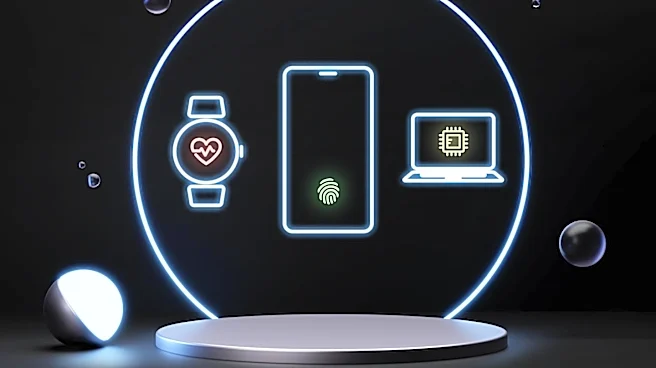
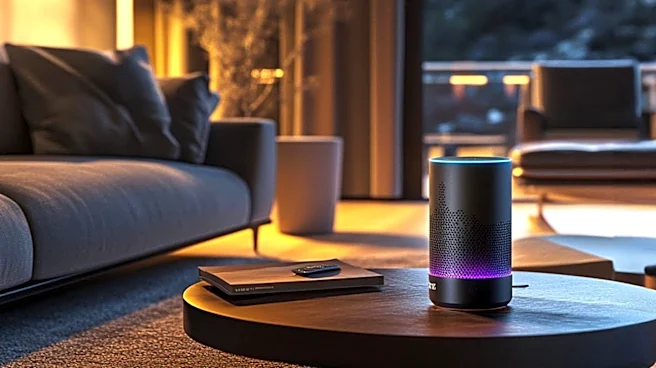
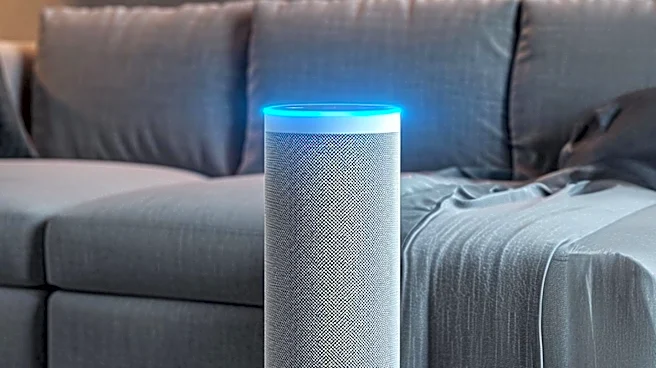
Modern hot tubs are incorporating advanced technology to improve user experience, energy efficiency, and convenience. Key features include smart control systems with WiFi connectivity and smartphone app integration, allowing users to adjust temperature,
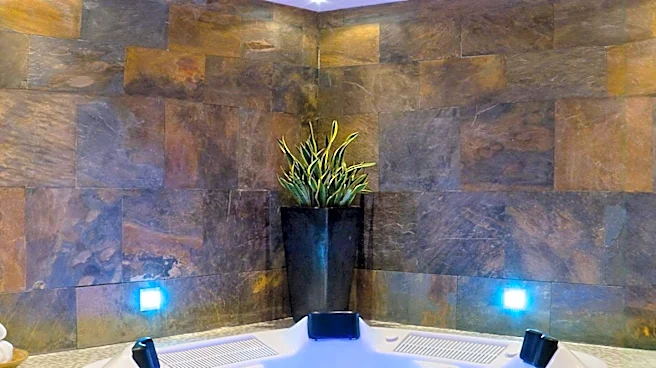
activate jets, and monitor system status remotely. Voice control through popular smart home systems like Alexa and Google Assistant is also being integrated, enabling hands-free operation. Energy efficiency is a major focus, with programmable heating schedules, eco-mode settings, and heat pump technology designed to reduce energy consumption by up to 70%. Construction quality has also advanced, with full foam insulation reducing heat loss by 30-40% and durable acrylic shells ensuring longevity. Advanced filtration systems, including UV-C technology and automated chemical dosing, aim to reduce chemical usage and simplify water maintenance. Ergonomic seating, diverse jet configurations for targeted hydrotherapy, and entertainment features like Bluetooth audio systems and LED lighting further enhance the spa experience.
Why It's Important?
The integration of smart technology into hot tubs signifies a broader trend in consumer products towards connectivity, automation, and energy efficiency, impacting U.S. consumers and the leisure industry. For consumers, these advancements offer unprecedented convenience, allowing remote management and personalized experiences, which can enhance lifestyle and well-being. The focus on energy efficiency, particularly with heat pump technology and improved insulation, directly translates to lower operating costs for owners, making luxury items more sustainable and accessible over the long term. This also aligns with growing environmental consciousness among U.S. consumers. For the leisure and home improvement industries, these innovations drive product differentiation and create new market opportunities. Manufacturers are compelled to invest in R&D to stay competitive, fostering innovation in materials science, software development, and energy management. The seamless integration with existing smart home ecosystems also positions hot tubs as a more integral part of the connected home, potentially increasing their market appeal and adoption rates across various demographics.
What's Next?
The future of hot tub technology will likely see further integration with broader smart home ecosystems and more sophisticated AI-driven features. Expect enhanced predictive maintenance capabilities, where systems can anticipate issues and alert users or service providers proactively. Personalization will deepen, with AI learning user preferences for jet patterns, temperature, and lighting to create bespoke hydrotherapy experiences. Energy efficiency will remain a key driver, with potential advancements in renewable energy integration, such as solar-powered heating supplements. Manufacturers may also explore more advanced health monitoring features, leveraging sensors to provide insights into user well-being during spa sessions. The user interface will continue to evolve, becoming even more intuitive, possibly incorporating augmented reality elements for control or customization. As connectivity becomes ubiquitous, security protocols for smart spa systems will also need to advance to protect user data and prevent unauthorized access. The industry will likely see continued innovation in materials for durability and sustainability, alongside efforts to make these advanced features more accessible across different price points.
Beyond the Headlines
Beyond the immediate benefits of convenience and efficiency, the evolution of smart hot tubs reflects deeper societal shifts towards wellness, personalized experiences, and sustainable living. The emphasis on hydrotherapy and customizable settings underscores a growing consumer demand for products that contribute to physical and mental well-being, transforming luxury items into tools for health management. The seamless integration into smart homes highlights a broader cultural acceptance and expectation of interconnected living spaces, where every appliance contributes to an automated and optimized environment. This trend also raises questions about the balance between human interaction and technological reliance; while smart features offer convenience, they might also subtly alter how individuals engage with their leisure activities. Furthermore, the drive for energy efficiency in such products contributes to the larger discourse on climate change and sustainable consumption, pushing manufacturers to innovate in ways that reduce environmental impact, even in luxury goods. This reflects a growing consumer and industry commitment to ecological responsibility.