






What's Happening?
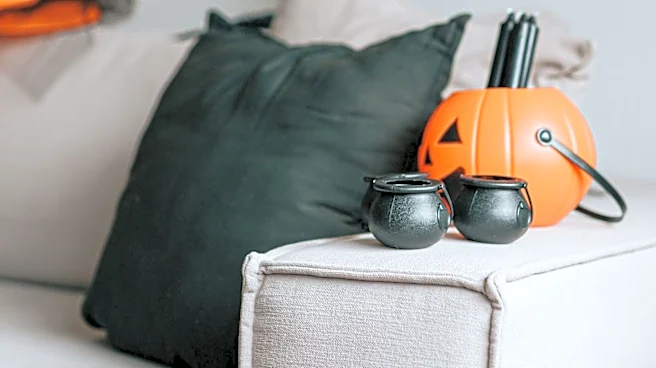
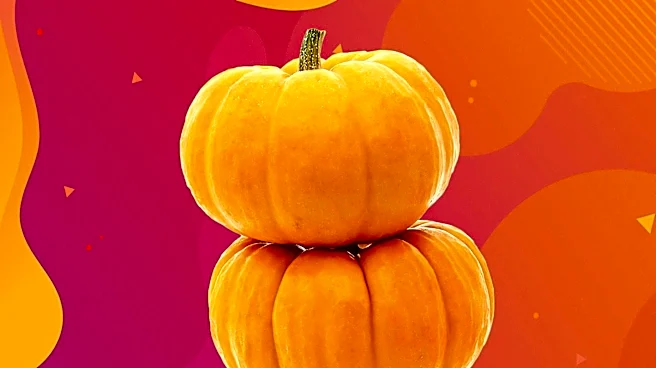
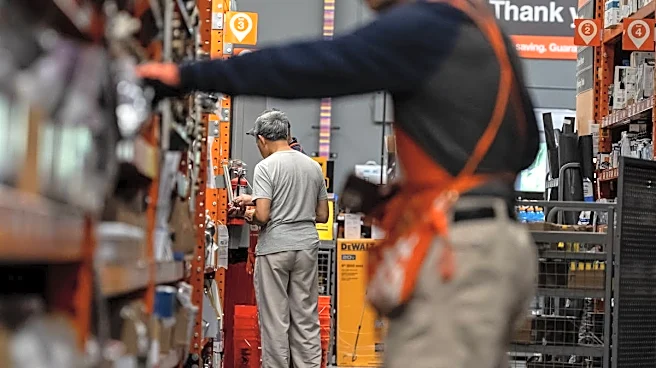
U.S. retailers like The Home Depot and Michaels are seeing a significant surge in early demand for Halloween merchandise, a trend now being called 'Summerween.' Stores are stocking shelves with skeletons, pumpkins, cauldrons, and costumes weeks before
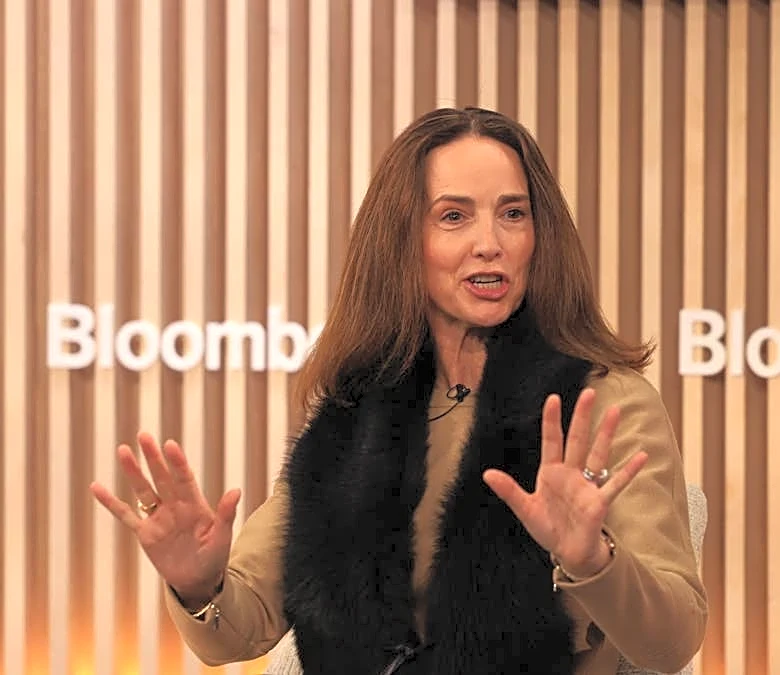
the fall season officially begins. According to RetailMeNot's retail insights expert Stephanie Carls, Halloween's retail footprint has expanded considerably, with 70% of shoppers planning to buy fall or Halloween items before September. Store managers, such as Josh Burgess from The Home Depot and Amanda Reinfelder from Michaels, confirm that popular items, including The Home Depot's 12-foot 'Skelly,' are selling out rapidly, indicating strong consumer eagerness for the spooky season.
Why It's Important?
The 'Summerween' trend signifies a significant shift in consumer purchasing habits and retail strategies within the U.S. economy. For retailers, it presents an opportunity to extend the selling season for holiday-specific merchandise, potentially boosting quarterly sales figures. However, it also necessitates earlier inventory management, supply chain adjustments, and marketing campaigns. For consumers, the early availability allows for more relaxed shopping and decorating, but it can also lead to increased spending over a longer period. The demand for specific aesthetics, such as the 'eerie, spooky vibe' and 'witchy' themes mentioned by Michaels' manager Amanda Reinfelder, influences product development and merchandising decisions across the industry. This trend impacts not only large retailers but also smaller businesses that rely on seasonal sales, pushing them to adapt to earlier demand cycles.
What's Next?
The 'Summerween' trend is expected to continue and likely intensify in the coming years, with retailers potentially introducing Halloween merchandise even earlier. This will require businesses to refine their forecasting and logistics to meet sustained early demand. Consumers can anticipate a prolonged holiday shopping period, which may influence their budgeting and purchasing decisions throughout the year. Retailers will likely continue to focus on popular items and themes, such as large outdoor decorations and gothic-inspired indoor decor, to capture early sales. The success of 'Summerween' could also pave the way for similar early launches for other holidays, further blurring traditional seasonal retail boundaries. Shoppers are advised to look for limited-time deals and compare prices when shopping early to maximize value.
Beyond the Headlines
The phenomenon of 'Summerween' reflects a broader societal yearning for comfort, escapism, and the joy associated with holidays, especially after periods of uncertainty. The early embrace of Halloween, with its playful and sometimes spooky themes, offers a welcome distraction and a sense of normalcy. This trend also highlights the power of social media and online communities in amplifying seasonal excitement, as consumers share their early decorations and purchases. From an economic perspective, it underscores the resilience of consumer spending on discretionary items, even amidst broader economic concerns. Culturally, it challenges traditional notions of seasonality, suggesting a desire to extend festive periods and create new traditions around early holiday celebrations. This shift could have long-term implications for how holidays are perceived, celebrated, and commercialized in the U.S.