


What's Happening?
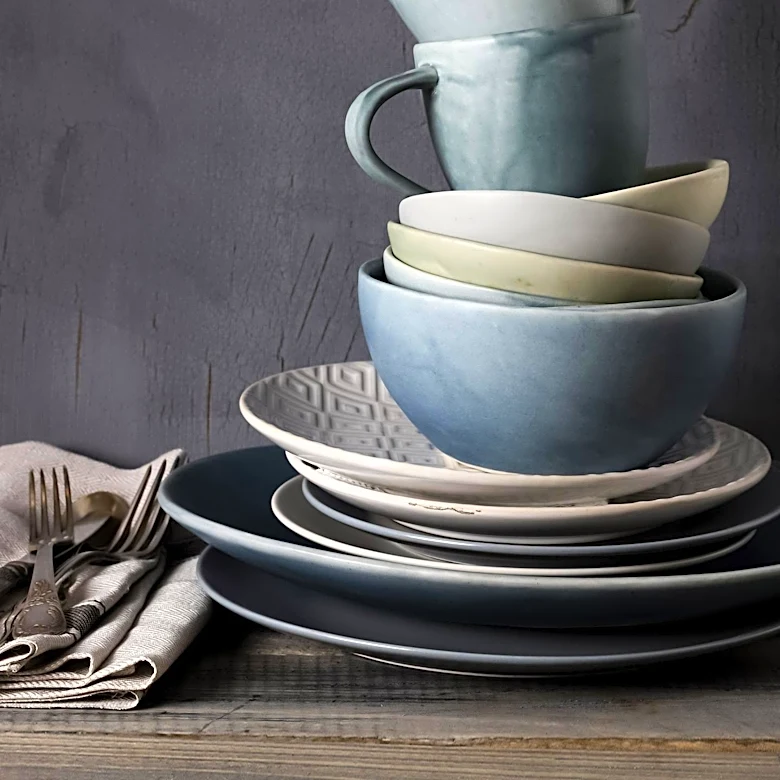
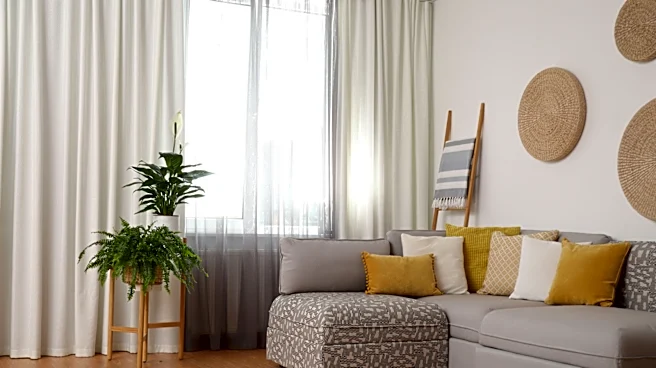
The interior design trend known as cottagecore, characterized by its soft, muted, and carefully curated vintage charm, is being replaced by a new aesthetic dubbed 'granny cool.' While cottagecore romanticized an idyllic rural life with floral prints and antique
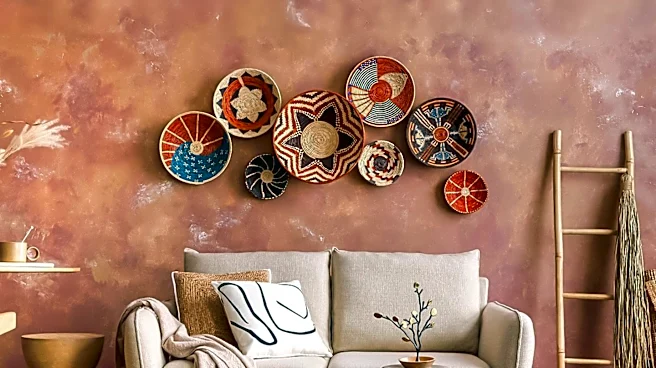
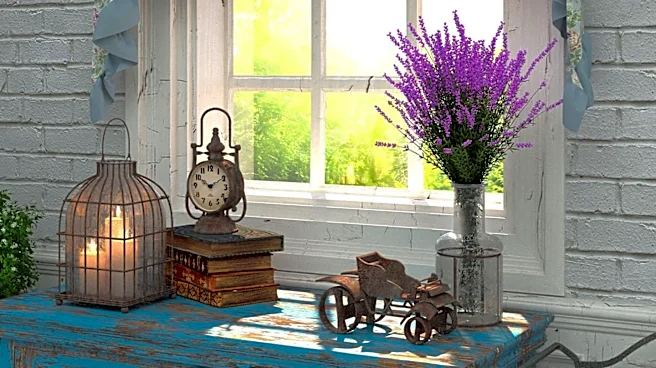
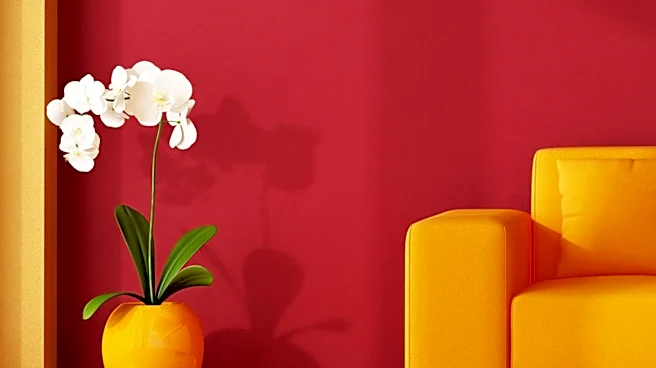
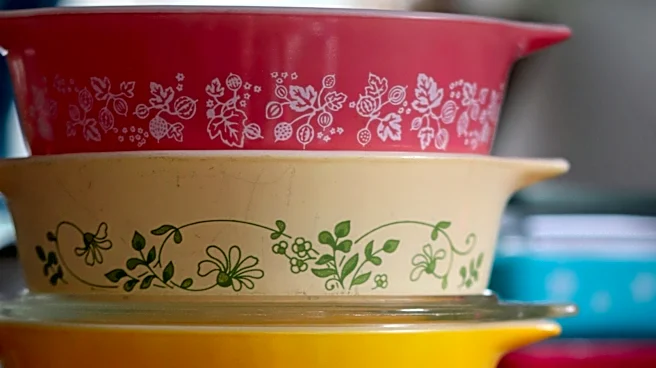
finds, it often led to interiors that felt uniform and lacked individuality. 'Granny cool' emerges as a rebellion against this sterile minimalism, embracing a more maximalist approach with rich colorways, bolder patterns, and a focus on personalized, collected spaces. According to Etsy trend expert Dayna Isom Johnson, this shift represents cottagecore evolving into a more expressive style, infusing familiar vintage influences with fresh energy. Designers like Lia Gold and Nicky Emlick describe 'granny cool' as a timeless, layered aesthetic that prioritizes character and confidence over curated simplicity, allowing homeowners to create unique spaces that reflect their personality.
Why It's Important?
This shift in interior design trends reflects a broader cultural movement towards authenticity and individual expression, moving away from the homogenized 'Instagram interiors' that have dominated social media for years. For consumers, it signifies an opportunity to personalize their living spaces with unique, collected items rather than adhering to a prescriptive aesthetic. This could lead to increased demand for vintage furniture, artisanal crafts, and bold, eclectic decor, benefiting small businesses, antique dealers, and independent artists. The emphasis on layering and collecting over time also promotes sustainability by encouraging the reuse of items and reducing the pressure to constantly update decor with fast-changing trends. Economically, this could stimulate markets for bespoke and handcrafted goods, as well as second-hand and vintage markets, offering new avenues for growth in the home decor industry.
What's Next?
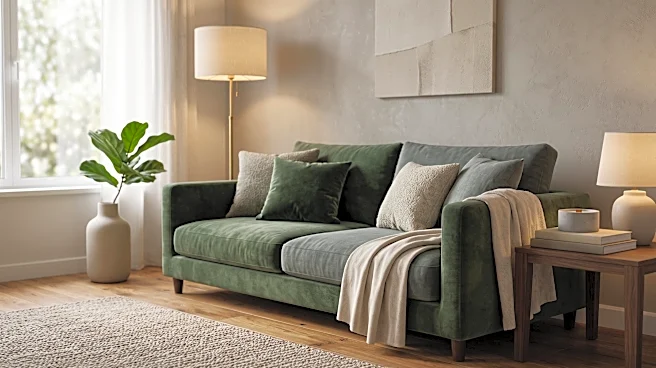
As 'granny cool' gains traction, consumers can expect to see a wider availability of diverse and eclectic home decor options. Interior designers suggest starting with heritage-inspired anchor pieces, such as a classic sofa or armchair, and gradually building character through patterned cushions, hand-crocheted throws, and vintage finds. Layering prints and patterns, rather than matching them, will become a key technique, combining florals with checks or stripes in complementary colors. The integration of materials like wood, velvet, and linen will add depth and character to rooms. This trend is likely to encourage blending vintage items with contemporary designs, fostering unexpected combinations and a more playful approach to home styling. Retailers and designers will likely adapt by offering more unique, characterful pieces that cater to this desire for personalized and expressive interiors.
Beyond the Headlines
The rise of 'granny cool' goes beyond mere aesthetics; it represents a deeper societal yearning for comfort, nostalgia, and a rejection of superficial perfection. In an increasingly digital and often impersonal world, people are seeking to create physical spaces that feel genuinely lived-in and reflective of their personal histories and tastes. This trend challenges the notion that homes must conform to a single, polished style, instead celebrating the beauty of imperfection and the stories embedded in collected objects. It also subtly critiques the consumer culture driven by fleeting trends, advocating for a more thoughtful and sustainable approach to decorating. Ethically, it promotes individuality and self-acceptance, encouraging people to embrace their unique preferences rather than chasing an idealized image, fostering a sense of belonging and warmth in their personal environments.