






What's Happening?
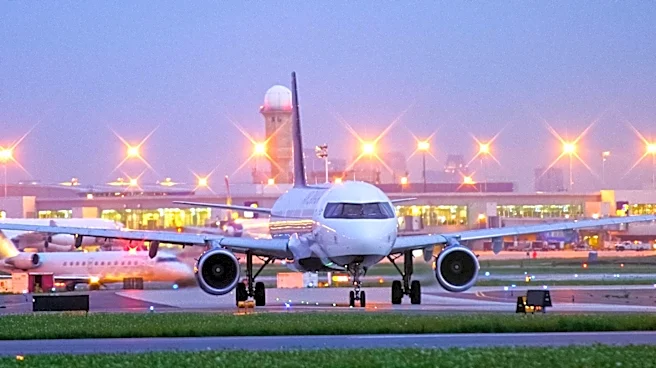
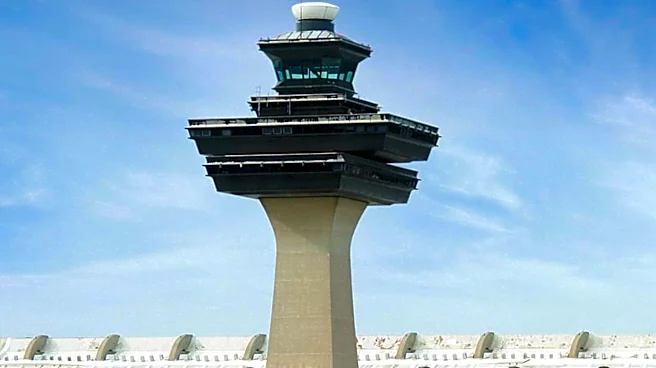
Orlando International Airport (MCO) and Orlando Executive Airport are undergoing significant improvements and expansion projects, as announced by the Greater Orlando Aviation Authority (GOAA). These initiatives are designed to accommodate Central Florida's
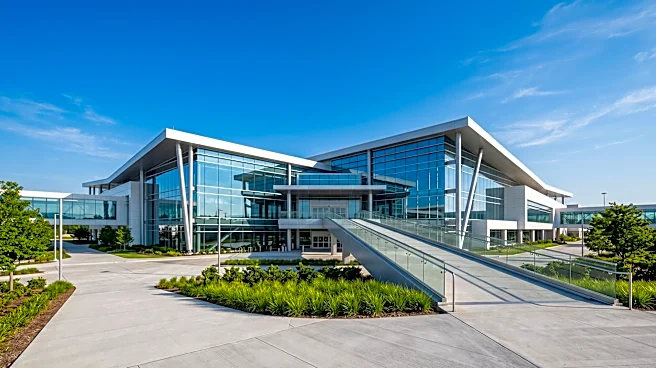
continuous growth in population and tourism. Recent enhancements at MCO include the addition of new gates, a pedestrian bridge connecting Terminal C to the train station, and new family zones across all three terminals. Orlando Executive Airport is also receiving attention with runway rehabilitation and other infrastructure upgrades aimed at modernizing the facility for business and private aviation. GOAA CEO Lance Lyttle emphasized that these are practical improvements to enhance the travel experience. A notable milestone occurred on November 8, when Orlando International Airport hosted its first electric demonstration flight at the newly constructed Atlantis birth pad.
Why It's Important?
The expansion and modernization of Orlando's airports are crucial for sustaining the region's economic growth, particularly in tourism and business. Central Florida's expanding population and status as a major tourist destination necessitate robust and efficient air travel infrastructure. The planned improvements will enhance passenger capacity, reduce congestion, and improve the overall travel experience, which is vital for attracting and retaining visitors and businesses. The focus on increasing public parking spaces, with a target of 8,000 by 2030, addresses a common pain point for travelers and contributes to smoother operations. Furthermore, the successful electric demonstration flight at MCO signals a potential shift towards more sustainable aviation practices, aligning with broader environmental goals and potentially positioning Orlando as a leader in green airport initiatives.
What's Next?
Looking ahead, the Greater Orlando Aviation Authority plans to open an expanded Terminal A parking garage and a new Terminal C parking garage by 2030. These projects will also include improvements for rental car services, contributing to the goal of providing 8,000 public parking spaces. The ongoing infrastructure upgrades at Orlando Executive Airport are expected to continue, further supporting business and private aviation needs. The region anticipates continued growth in passenger demand, which will likely drive further phases of development and modernization at both airports. The success of the electric demonstration flight may also pave the way for future integration of electric aircraft technology and related infrastructure at Orlando International Airport.
Beyond the Headlines
The continuous investment in Orlando's airport infrastructure reflects a broader trend of urban and regional development driven by population influx and economic specialization, particularly in tourism. This expansion is not merely about accommodating more flights but also about enhancing the region's competitive edge as a global destination. The emphasis on modernizing facilities and improving passenger experience underscores a shift towards more customer-centric airport operations. The introduction of electric demonstration flights, while currently a small step, could signify a long-term commitment to environmental sustainability within the aviation sector, potentially influencing future airport designs and operational standards across the U.S. This could lead to a ripple effect, encouraging other major airports to explore and adopt similar eco-friendly technologies and practices.