






What's Happening?
The lasting impact of Club Kid fashion, originating from the nightlife scenes of New York and London, on high fashion runways is being highlighted. Designers like Alexander McQueen, Marc Jacobs, and Jean Paul Gaultier have drawn inspiration from the theatrical
self-expression and DIY spirit of Club Kids, including figures like Leigh Bowery. This movement, characterized by outlandish outfits and a focus on individual expression, transformed dance floors into runways without fixed rules. Nightlife impresarios like Susanne Bartsch played a crucial role in fostering this connection between club culture and the fashion world, introducing avant-garde styles to a wider audience.
Why It's Important?
The enduring influence of Club Kid fashion underscores a fundamental aspect of the fashion industry: its cyclical nature and its constant search for inspiration from subcultures. This movement demonstrated how grassroots creativity and individual expression can profoundly shape mainstream trends, proving that fashion doesn't solely originate from established designers or magazines. It highlights the power of nightlife as a crucible for cultural innovation, where individuals are empowered to experiment with identity and aesthetics. For the U.S. fashion industry, this historical context is important as it illustrates how counter-cultural movements can inject vitality and new perspectives into commercial fashion, influencing everything from runway collections to street style and retail offerings. It also emphasizes the value of authenticity and self-expression in driving fashion evolution.
What's Next?
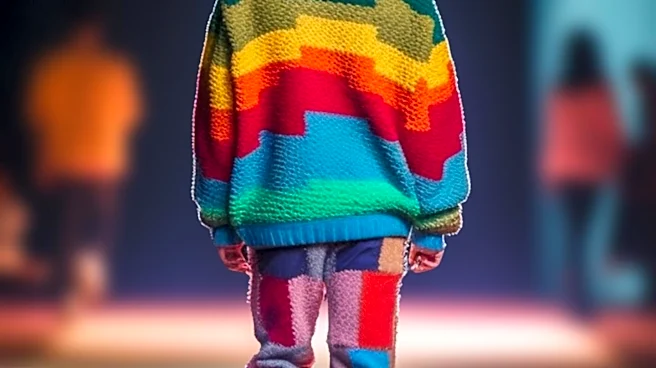
The spirit of Club Kid fashion continues to resonate in contemporary design, with recent collections from designers like Junya Watanabe, Diesel, and August Barron showing clear influences. This suggests a continued trend of designers looking to underground scenes and historical subcultures for inspiration. As social media now plays a significant role in how people create and share their looks, the dynamic of self-expression has evolved, yet the core desire for individuality remains. Future fashion trends are likely to continue drawing from this wellspring of creative freedom, adapting it to modern contexts and digital platforms. The ongoing dialogue between street culture and high fashion will likely lead to new interpretations and fusions of styles.
Beyond the Headlines
Beyond its aesthetic impact, Club Kid fashion represents a powerful statement about identity, freedom, and community. In an era marked by social and political shifts, the movement offered an escape and a platform for self-discovery, particularly for those who felt marginalized. The DIY ethos and gender-bending styles challenged societal norms and pushed boundaries, fostering an environment where individuality was celebrated. This cultural legacy extends beyond clothing, influencing attitudes towards self-acceptance and creative liberation. The continued reference to Club Kid aesthetics in fashion today speaks to a deeper yearning for authenticity and a rejection of conventional beauty standards, reflecting a broader societal desire for self-expression and inclusivity.