






What's Happening?
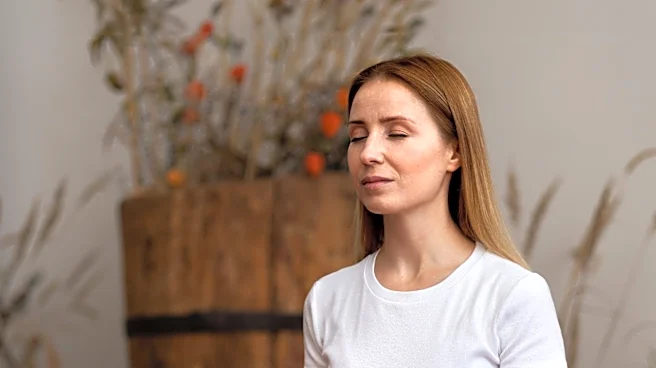
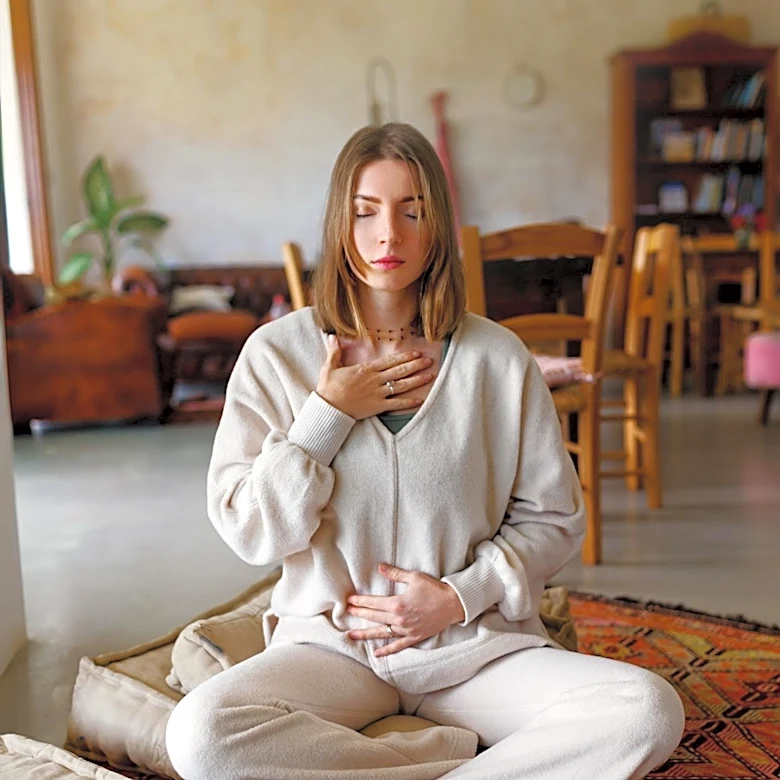
Kaiser Permanente is hosting a series of no-cost wellness webinars called 'Mindful Mondays,' which are open to the public, not just Kaiser Permanente members. These sessions aim to provide guided meditation and practical tools for achieving emotional
balance and inner peace. The webinar schedule for 2026 includes various topics, all held from 12 p.m. to 1 p.m. ET. Specific sessions include 'Mindful Eating Guided Meditation' on March 2, focusing on slowing down, tuning into hunger cues, and engaging senses during meals. Other topics cover meditation and breathing for better health, guided meditation for relaxation, mindfulness for a brain reset, guided meditation for summer bliss, finding peace, guided walking meditation, love and kindness, cultivating gratitude, and mindfulness to ease holiday stress. Each session is designed to offer actionable techniques for improving mental and physical well-being.
Why It's Important?
This initiative by Kaiser Permanente is significant as it democratizes access to valuable wellness resources, making mindfulness and meditation practices available to a broader audience without financial barriers or membership requirements. In an era where stress and mental health challenges are prevalent, providing free, accessible tools for emotional balance can have a substantial positive impact on public health. The focus on diverse topics, from mindful eating to stress reduction and gratitude, addresses various aspects of well-being, promoting a holistic approach to health. For individuals seeking to improve their mental resilience, reduce stress, and cultivate inner peace, these webinars offer structured guidance from a reputable healthcare provider. This program also highlights a growing recognition within the healthcare industry of the importance of preventive care and mental wellness as integral components of overall health.
What's Next?
The continuation and potential expansion of programs like Kaiser Permanente's 'Mindful Mondays' could lead to increased public engagement with mindfulness practices. If successful, these webinars might inspire other healthcare providers or organizations to offer similar free wellness resources, further broadening access to mental health support. The feedback and participation rates from these sessions could also inform future wellness initiatives, potentially leading to more specialized or advanced programs. As awareness of the benefits of mindfulness grows, there may be a greater integration of such practices into mainstream healthcare, moving beyond webinars to potentially include them in primary care settings or as part of chronic disease management programs. The ongoing availability of these resources could foster a more mindful and resilient community.
Beyond the Headlines
Kaiser Permanente's 'Mindful Mondays' initiative reflects a deeper trend in healthcare towards integrating holistic and preventive approaches to well-being. Beyond simply treating illness, there's a growing recognition of the importance of mental and emotional health in preventing disease and promoting overall quality of life. Ethically, offering these resources for free demonstrates a commitment to community health beyond direct patient care, addressing health disparities by making wellness tools accessible to everyone. Culturally, it contributes to destigmatizing mental health practices like meditation, presenting them as mainstream tools for self-care rather than niche or alternative therapies. This program also underscores the potential for large healthcare organizations to play a significant role in public health education and promotion, fostering a more resilient and mindful society by empowering individuals with practical tools for managing stress and enhancing well-being.