








What's Happening?
Publicist Kathleen Schmidt, in response to an Elle article, notes that the 1990s marked the beginning of a 'hyperblockbuster era' in publishing, significantly influenced by John Grisham, Oprah's Book Club, and the Harry Potter series. This period saw
a shift where a few select books achieved massive popularity, creating a sense that everyone was reading the same titles. This trend, amplified by social media in later years, has led to a perception of a 'reading monoculture,' despite the vast array of available literature. The current publishing landscape continues to operate on a blockbuster model, often chasing trends amplified by readers rather than setting them.
Why It's Important?
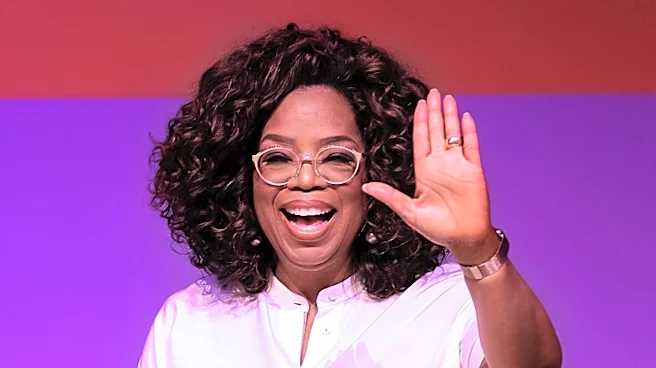
The emergence of the 'hyperblockbuster era' fundamentally reshaped the U.S. publishing industry. Oprah's Book Club, in particular, demonstrated the immense power of a single endorsement to drive sales and cultural conversation, creating instant bestsellers and significantly impacting authors' careers. This era concentrated market share among a few dominant titles, influencing publishing strategies, marketing budgets, and even the types of books acquired by major houses. While it brought widespread attention to certain books, it also contributed to a perception of limited diversity in popular reading, potentially overshadowing lesser-known authors and independent presses. The ongoing blockbuster model means that publishers often prioritize books with broad appeal, which can affect literary diversity and the visibility of niche genres.
What's Next?
The publishing industry continues to grapple with the legacy of the 'hyperblockbuster era.' While social media now plays a significant role in amplifying trends, the core dynamic of a few books dominating public attention persists. Publishers are increasingly adapting to reader-driven trends, rather than solely dictating them, which could lead to more responsive publishing strategies. However, the challenge remains to balance the pursuit of blockbusters with the promotion of diverse voices and literary works. The ongoing debate about a 'reading monoculture' suggests a continued effort by some readers and independent bookstores to seek out and promote titles outside the mainstream.
Beyond the Headlines
The 'hyperblockbuster era' has deeper implications for cultural consumption and the perception of shared experience. In a world with an overwhelming amount of content, the phenomenon of everyone reading the same books can create a sense of collective identity and shared cultural touchstones. However, it also raises questions about the homogenization of literary tastes and the potential for valuable, but less commercially viable, works to be overlooked. This trend reflects broader patterns in media consumption, where a few dominant platforms or products capture a disproportionate amount of attention, influencing public discourse and cultural narratives. The role of curators, whether traditional like Oprah or modern like social media influencers, remains critical in guiding public engagement with literature.