






What's Happening?
A recent sports commentary piece laments the decline of 'proper heels' or true villains in professional sports, arguing that modern antagonists lack artistry and depth. The author contends that while there's no shortage of bad guys—such as the privileged,
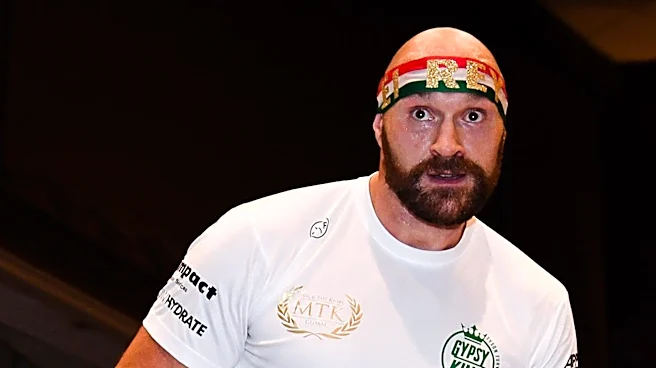
morally repugnant, or obnoxious blowhards—these figures often fall short of the classic, mustache-twirling villain archetype. The piece criticizes figures like Tyson Fury for failing to deliver compelling trash-talk despite his antihero persona, and notes the general inability of modern fighters to craft slick one-liners, even in the social media age. The commentary contrasts this with past figures like Chael Sonnen, who used high-quality chirping and charisma to build a strong fan base despite his fighting style. The author suggests that current antagonists, such as Ben Whittaker, often rely on cheap tactics or perceived favoritism rather than genuine villainy, leading to a lack of engaging rivalries.
Why It's Important?
This commentary is important because it highlights a significant shift in the narrative and entertainment value of professional sports. The absence of compelling 'heels' can diminish the dramatic tension and storytelling that often captivates audiences beyond the athletic competition itself. A well-crafted villain can elevate a hero's journey, create memorable rivalries, and drive fan engagement, leading to increased viewership and revenue for sports leagues. The critique suggests that modern sports figures may be prioritizing immediate attention-grabbing tactics over the development of nuanced, long-term antagonistic personas, which could ultimately lead to a less engaging product for fans. This trend could impact how sports are marketed, how athletes are trained in media relations, and the overall cultural impact of sports as a form of entertainment. It also reflects broader changes in celebrity culture, where authenticity and relatability sometimes overshadow the theatricality of traditional villainy.
What's Next?
The commentary implicitly calls for a re-evaluation of how antagonists are developed and presented in professional sports. While it doesn't offer a direct prediction of change, it suggests that athletes and their promoters could benefit from investing in public speaking and comedy classes to hone their 'villainous' personas. The author advises leaning into the role of the 'highfalutin, hyper-privileged prick' with slick wordsmanship and an unabashed embrace of an unlevel playing field. If this perspective gains traction, it could lead to a conscious effort by sports organizations and individual athletes to cultivate more compelling and artful antagonists. This might involve more strategic media training, creative use of social media for character development, and a greater emphasis on storytelling within sports narratives. The long-term impact could be a resurgence of more engaging rivalries and a richer, more theatrical experience for sports fans.
Beyond the Headlines
Beyond the immediate discussion of sports entertainment, this commentary touches on deeper cultural and psychological aspects of heroism and villainy. The longing for 'proper heels' reflects a fundamental human need for clear narrative structures, where good and evil are distinctly defined, even in the context of competitive sports. The critique of modern antagonists as lacking 'artistry' suggests a broader concern about the decline of nuanced character development in public figures, perhaps influenced by the instant gratification and superficiality often associated with social media. This piece implicitly argues that true villainy, like true heroism, requires intelligence, wit, and a certain theatrical flair to be truly compelling. It also highlights the evolving nature of public perception and what audiences find engaging, moving beyond simple 'good vs. bad' to a more complex appreciation of performance and narrative construction in all forms of public spectacle. The comparison to literary traditions of 'highfalutin, hyper-privileged pricks' suggests that certain archetypes resonate deeply across different forms of storytelling, including sports.