






What's Happening?
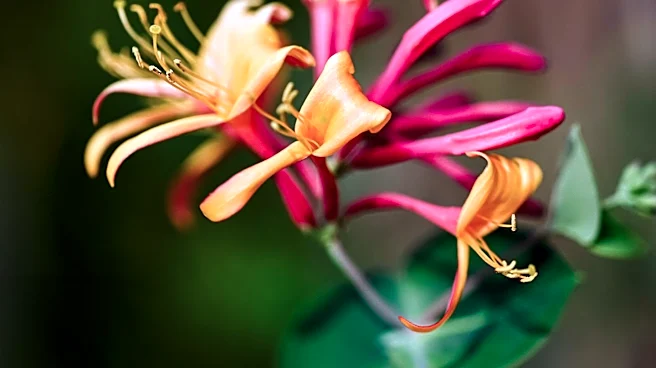
The edibility of honeysuckle flowers and berries varies significantly by species, making careful identification crucial for safe consumption. While some honeysuckle species, such as Japanese honeysuckle (Lonicera japonica), are known for their edible
flowers and nectar, others, like blue honeysuckle (Lonicera caerulea), are cultivated for their edible berries, also known as haskap or honeyberry. Conversely, the berries of Japanese honeysuckle are considered poisonous, and other ornamental honeysuckle species, such as Lonicera dioica and Lonicera sempervirens, produce berries toxic to humans. The common name 'honeysuckle' encompasses approximately 180 species within the Lonicera genus, making a general assumption about edibility dangerous. Experts advise against consuming any part of a honeysuckle plant without first confirming its botanical name, the specific edible part, and verifying this information with an authoritative source like an Extension resource or botanical garden database. Additionally, it is recommended to avoid plants from roadsides or areas with unknown spray histories.
Why It's Important?
The critical distinction between edible and toxic honeysuckle species is vital for public health and safety, particularly for individuals who forage or use herbal remedies. Misidentification can lead to accidental poisoning, as some toxic berries may appear appealing. This issue highlights the broader importance of botanical literacy and the dangers of relying solely on common names for plant identification. For consumers of herbal supplements, understanding the specific botanical name and plant part used in a product is equally important to ensure efficacy and safety. The information underscores the need for clear labeling in both wild harvesting and commercial products. Furthermore, the discussion about invasive species like Japanese honeysuckle (Lonicera japonica) in the U.S. has ecological implications, as its widespread presence can outcompete native flora, impacting local ecosystems. This dual concern for human safety and ecological balance makes accurate plant identification a multifaceted issue.
What's Next?
Individuals interested in consuming honeysuckle or using honeysuckle-derived products must prioritize accurate identification. This involves obtaining the full botanical name, confirming the specific plant part intended for consumption, and cross-referencing this information with reliable botanical sources. For those foraging, it is imperative to avoid plants from potentially contaminated areas. Supplement manufacturers are encouraged to clearly label products with both common and botanical names, along with the specific plant part used, to ensure consumer safety and transparency. Educational efforts by botanical gardens, extension services, and health organizations will continue to be crucial in informing the public about safe plant identification practices. Ongoing research into the chemical profiles of different honeysuckle species will further enhance understanding of their potential benefits and risks, contributing to more informed guidelines for consumption.
Beyond the Headlines
The honeysuckle dilemma—where some parts are edible and others toxic, depending on the species—reflects a broader challenge in understanding and interacting with the natural world. It underscores the limitations of common nomenclature and the necessity of scientific precision in botany. This issue has ethical implications for herbal medicine and foraging communities, emphasizing the responsibility of individuals to educate themselves thoroughly before consuming wild plants. Culturally, the allure of 'honeysuckle' as a sweet, natural treat can lead to dangerous assumptions, highlighting the gap between traditional knowledge and scientific verification. The discussion also touches upon the concept of 'food as medicine' and the increasing consumer interest in natural remedies, making accurate botanical identification not just a matter of safety but also of trust and efficacy. This situation serves as a powerful reminder that nature's bounty comes with inherent complexities that demand respect, knowledge, and caution.