








What's Happening?
A growing interest in caffeine-free beverages has led to a wide array of botanical infusions, often referred to as herbal teas, gaining popularity. These infusions are distinct from traditional teas (black, green, white, oolong) which originate from the
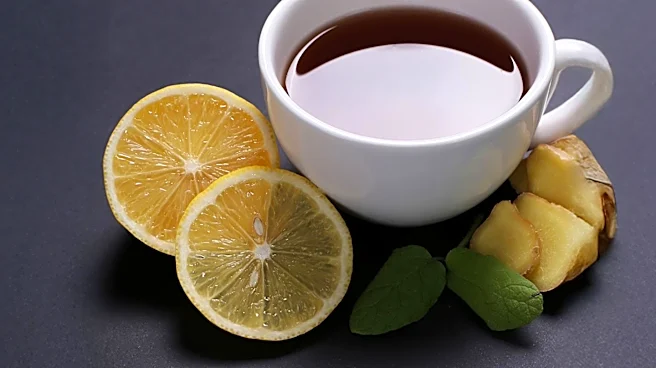
Camellia sinensis plant and naturally contain caffeine. Botanical infusions, or tisanes, are crafted from various plant parts such as flowers, leaves, roots, fruits, bark, seeds, and spices. Examples include soursop leaf tea, rooibos, chamomile, peppermint, hibiscus, ginger, and butterfly pea flowers. These alternatives provide a spectrum of flavors, aromas, and colors, catering to different preferences and occasions. Unlike decaffeinated teas, which undergo processing to remove caffeine from traditional tea leaves, botanical infusions are inherently caffeine-free, offering a natural option for those seeking to avoid stimulants.
Why It's Important?
The rise of caffeine-free botanical infusions signifies a shift in consumer preferences towards healthier and more diverse beverage options. This trend impacts the U.S. beverage industry by creating new market segments and encouraging innovation in product development. Consumers, including those with sensitivities to caffeine or those seeking relaxing evening drinks, benefit from a broader selection that goes beyond traditional caffeinated beverages. The availability of various formats, from whole leaves to convenient tea sachets, also caters to different lifestyles and preparation preferences. This movement highlights a growing awareness of natural ingredients and their potential health benefits, influencing purchasing decisions and driving demand for products that align with wellness trends. The versatility of these infusions, allowing them to be enjoyed hot, iced, or incorporated into culinary creations, further expands their market appeal.
What's Next?
The market for caffeine-free botanical infusions is expected to continue expanding, with potential for new blends, flavor combinations, and innovative product formats. Manufacturers may focus on highlighting the unique characteristics and origins of different botanicals to attract discerning consumers. There could be an increased emphasis on transparent ingredient sourcing and sustainable practices, as consumers become more conscious about the environmental and ethical aspects of their purchases. The culinary application of these infusions is also likely to grow, with more recipes and serving ideas emerging to showcase their versatility in mocktails, desserts, and savory dishes. As awareness of the benefits of caffeine-free options spreads, we may see these botanical infusions become a more prominent staple in American households and food service establishments.
Beyond the Headlines
Beyond their immediate appeal as beverages, caffeine-free botanical infusions carry deeper cultural and wellness implications. Many of these botanicals have been used for centuries in traditional medicine and cultural practices around the world, suggesting potential therapeutic benefits that are now being rediscovered and appreciated in modern contexts. The act of preparing and consuming these infusions can also be seen as a mindful ritual, promoting relaxation and well-being in an increasingly fast-paced society. This trend reflects a broader societal movement towards holistic health and a desire for natural, unprocessed alternatives in daily consumption. The diverse origins of these botanicals also foster a connection to global cultures and agricultural practices, enriching the consumer experience beyond just taste.