





What's Happening?
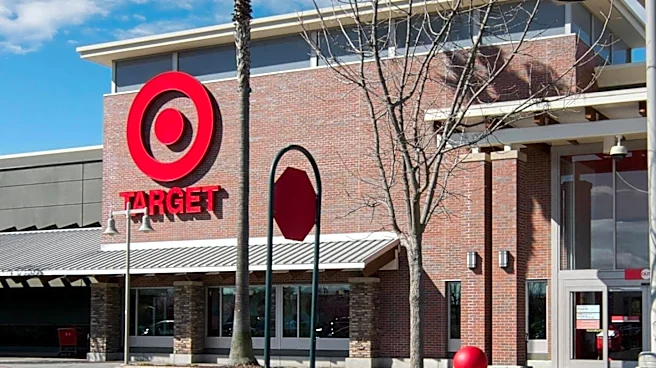
Target is adopting a new strategy for certain brand collaborations, giving them an exclusive in-store debut before making them available online. This approach is specifically reserved for partnerships anticipated to generate significant customer interest
and lines outside stores, as stated by Daryl Glass, Target's senior vice president of fulfillment and last mile, at the WWD Apparel and Retail CEO Summit. Glass explained that inventory allocations between physical stores and fulfillment centers vary depending on the partnership, with some launches leaning more heavily on digital sales. This decision-making process requires extensive coordination among Target's commercial, digital, operations, and marketing teams, as well as with the collaborating brand, to align fulfillment with release dates for both in-store and online customers.
Why It's Important?
This strategy signifies Target's effort to enhance the in-store shopping experience and create a sense of urgency and exclusivity around highly anticipated product launches. By prioritizing physical stores, Target aims to drive foot traffic, which can lead to increased impulse purchases and overall store sales beyond the collaborative items. In an increasingly digital retail landscape, this move differentiates Target by offering a unique, event-like shopping experience that online-only retailers cannot replicate. It also allows Target to leverage its extensive physical footprint as a competitive advantage, fostering customer engagement and loyalty through a curated, in-person experience. This approach could influence other retailers to re-evaluate the balance between online and in-store product debuts.
What's Next?
Target will continue to implement this store-first debut strategy for select brand collaborations that are expected to draw significant customer interest. The retailer is in the first year of a broader growth strategy focused on distinguishing its merchandise assortment and improving the overall shopping experience for busy families. This includes a push in owned brands, national labels, and limited-time collaborations across various categories, including food. Target is also refining its fulfillment operations for everyday online orders, optimizing which stores pack and ship merchandise to improve delivery services. The success of these store-first launches will likely inform future decisions regarding product distribution and customer engagement strategies.
Beyond the Headlines
This strategy reflects a deeper understanding of consumer psychology, leveraging the 'fear of missing out' and the desire for immediate gratification that often accompanies exclusive product drops. It also highlights the evolving role of brick-and-mortar stores in the age of e-commerce, transforming them from mere transaction points into experiential hubs. By creating in-store 'events,' Target is not just selling products but also selling an experience, fostering community among shoppers, and generating social media buzz. This could lead to a resurgence in the importance of physical retail spaces, particularly for brands looking to create memorable and engaging customer interactions beyond the digital realm.