



What's Happening?
The packaging machinery industry is experiencing significant shifts driven by evolving consumer demands and technological advancements. Key trends include a strong focus on waste reduction, increased demand for smaller, convenient pack sizes, and the
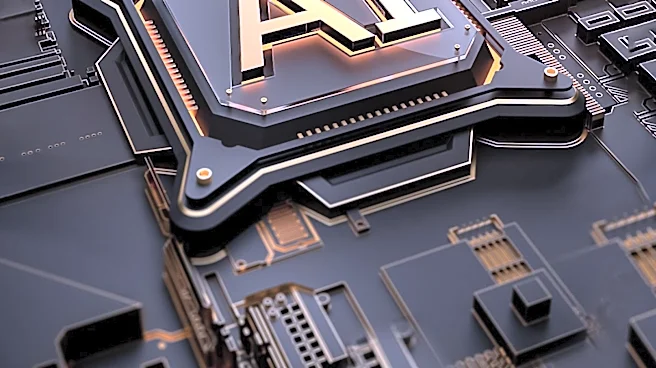
need for machinery that can accommodate diverse formats without compromising production efficiency. Manufacturers are increasingly seeking digitally connected machinery to gain real-time production insights and enable remote diagnostics, aiming to improve overall efficiency and reduce downtime. The industry is also moving towards an integrated approach, recognizing that optimal packaging performance depends on how well the entire production process works together, rather than focusing on individual machines in isolation. This includes considering how different equipment, technologies, and suppliers can collaborate to enhance overall performance.
Why It's Important?
These trends have substantial implications for U.S. manufacturing, particularly in the food and beverage sectors. The demand for smaller, portion-controlled products reflects changing consumer lifestyles and preferences, requiring manufacturers to adapt their production lines. This creates opportunities for packaging machinery providers that can offer flexible and versatile solutions. The emphasis on sustainability and waste reduction aligns with growing environmental concerns and regulatory pressures, pushing companies to invest in machinery compatible with recyclable materials and efficient processes. The adoption of AI, connectivity, and digital technologies in packaging machinery can lead to significant improvements in productivity, reduced operational costs, and enhanced quality control for U.S. businesses. However, it also necessitates investments in new equipment and training for the workforce to manage these advanced systems.
What's Next?
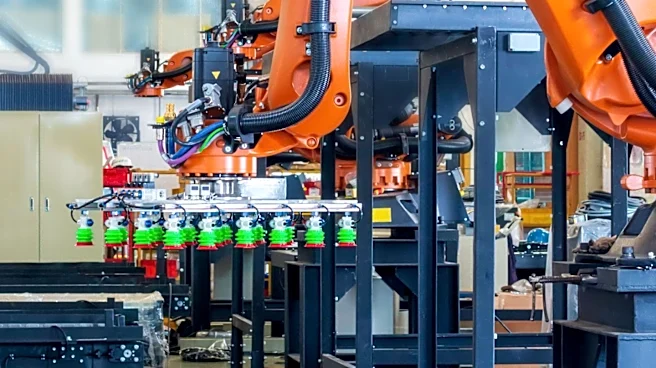
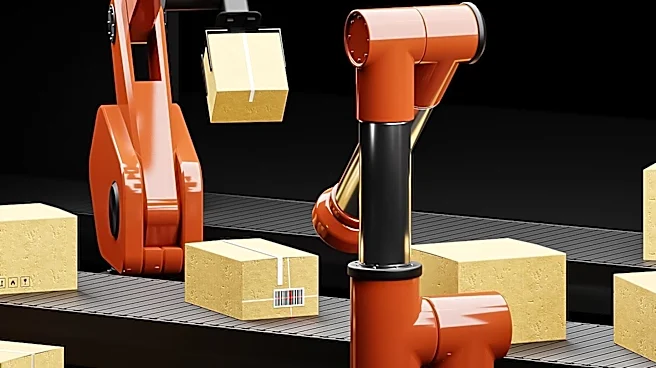
The future of packaging machinery will likely see continued integration of digital technologies, automation, and AI to create more intelligent and adaptive production lines. Manufacturers will increasingly rely on digital modeling to test and optimize production lines before physical implementation, helping to identify bottlenecks and resolve issues proactively. The industry will also focus on developing machinery that can seamlessly switch between different packaging materials and formats to meet diverse market demands. Furthermore, the trend towards end-to-end efficiency will lead to more holistic solutions that consider the entire supply chain, from processing to distribution and warehousing. This integrated approach will aim to reduce waste, improve yield, and enhance overall performance across the entire production ecosystem.
Beyond the Headlines
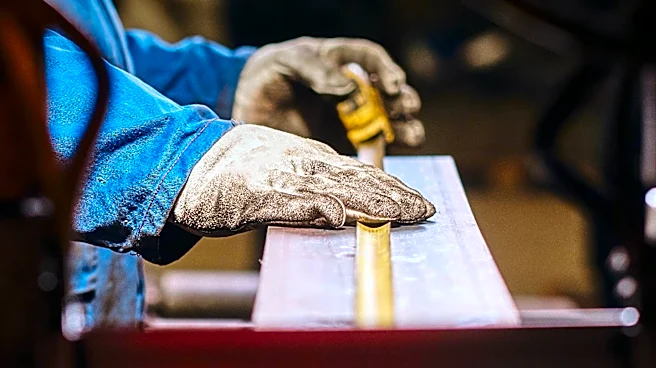
Beyond the immediate operational benefits, the evolution of packaging machinery carries deeper implications. The drive for sustainability in packaging design reflects a broader societal shift towards environmental consciousness, influencing consumer choices and corporate responsibility. The increasing reliance on AI and automation in manufacturing processes raises questions about the future of labor, potentially leading to a demand for new skill sets and a re-evaluation of human-machine collaboration. The ability of machinery to handle diverse formats and materials also speaks to the growing customization and personalization trends in consumer markets, where flexibility and rapid adaptation are key to competitive advantage. This technological advancement in packaging is not just about efficiency; it's about responding to a complex interplay of economic, environmental, and social forces shaping modern consumption and production.