






What's Happening?
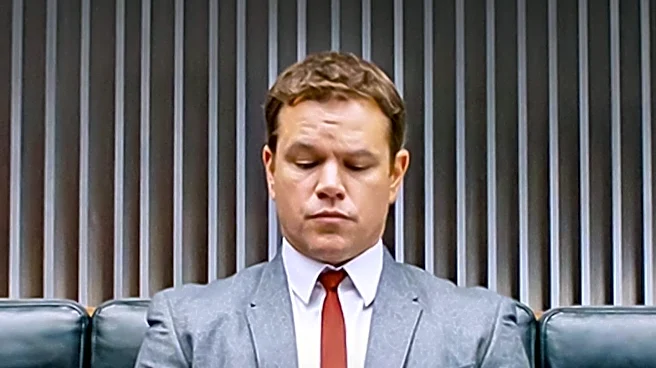
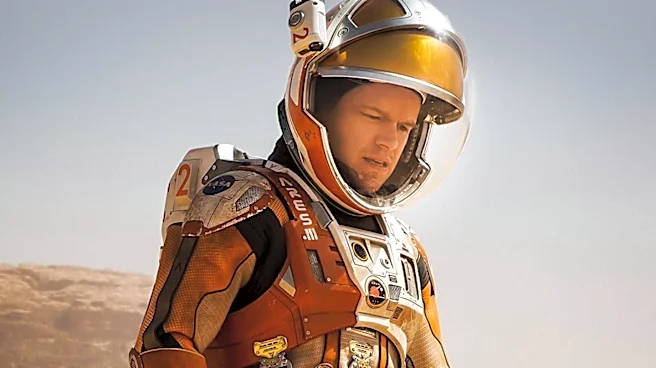
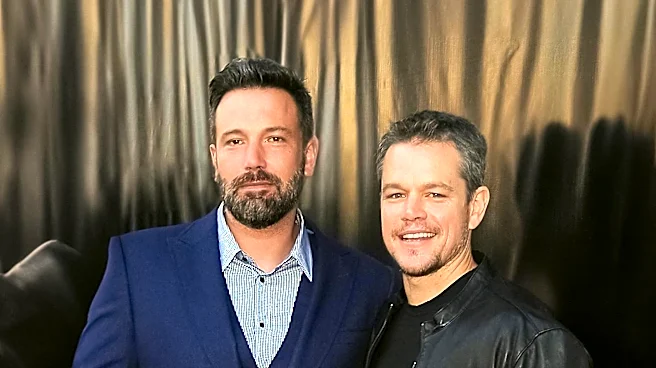
Matt Damon, who stars as Odysseus in Christopher Nolan's upcoming film 'The Odyssey,' has expressed skepticism about the future of large-scale epic films. In an interview, Damon highlighted the financial risks associated with producing such movies, citing
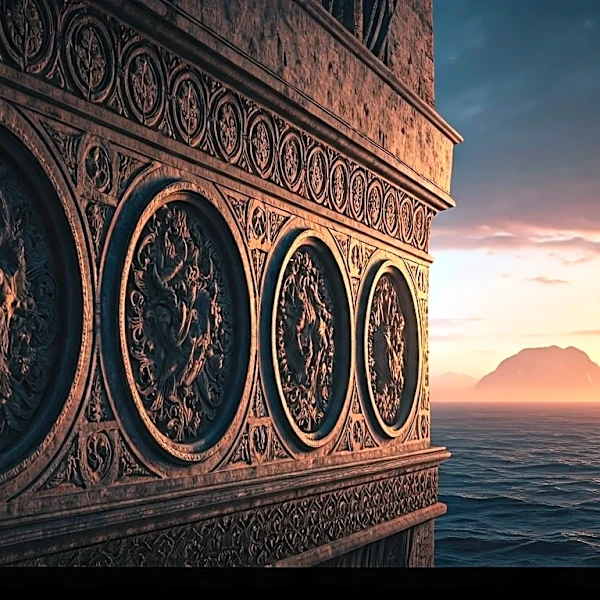
Hollywood's current trend towards risk aversion. He noted that the decline in mid-sized films and the shift towards safer, pre-existing properties have made it difficult for studios to invest in ambitious projects. Despite the potential success of 'The Odyssey,' Damon believes that the financial landscape of the film industry makes it unlikely for similar epics to be produced in the near future. Co-star Tom Holland, however, remains hopeful that younger directors might be inspired by the film to pursue similar projects.
Why It's Important?
The discussion around 'The Odyssey' underscores a significant shift in the film industry, where financial considerations heavily influence the types of movies being produced. The reluctance to invest in large-scale epics could limit the diversity of films available to audiences, potentially stifling creativity and innovation in the industry. This trend also reflects broader economic challenges facing Hollywood, including the impact of streaming services on traditional revenue models. As studios prioritize financial security, the risk is that unique and ambitious storytelling may become increasingly rare, affecting both filmmakers and audiences who seek diverse cinematic experiences.
What's Next?
The release of 'The Odyssey' will likely serve as a litmus test for the viability of epic films in the current market. If successful, it could encourage studios to reconsider their risk assessments and potentially invest in similar projects. However, if the film underperforms, it may reinforce the industry's cautious approach. The response from audiences and critics will be crucial in determining the future of epic storytelling in cinema. Additionally, the film's performance could influence the strategies of streaming platforms, which might see an opportunity to fill the gap left by traditional studios.