






What's Happening?
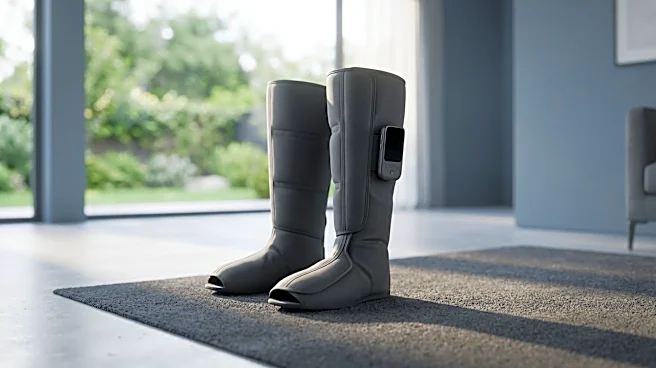
Recovery boots, also known as intermittent pneumatic compression devices, are being marketed to athletes and active individuals with claims of speeding up cellular repair, boosting protein synthesis, enhancing lymphatic drainage to reduce inflammation,
and improving blood flow to alleviate muscle soreness and swelling. These devices utilize inflatable sleeves that cycle through pressure and release to support circulation. However, current research indicates that these pneumatic devices are not clearly superior to well-fitted static compression garments for most runners in terms of reducing perceived soreness. Both types of compression therapy, static and pneumatic, show similar effects on perceived soreness. The choice between recovery boots and traditional compression garments often depends on factors such as convenience, cost, and how they integrate into an individual's broader recovery routine, which may also include practices like ice baths and massage guns. Compression therapy, in general, is used in both clinical recovery settings and general athletic training to apply controlled pressure, support circulation, and ease muscle soreness after exercise or injury.
Why It's Important?
The widespread marketing of recovery boots highlights a growing trend in the athletic recovery industry, where advanced technologies are presented as essential tools for performance enhancement and injury prevention. While these devices offer benefits such as reduced perceived soreness and improved circulation, the research suggesting their comparable efficacy to more traditional and often less expensive compression garments has significant implications for consumers and the sports medicine market. This information is crucial for athletes, coaches, and healthcare providers in making informed decisions about recovery strategies and investments. It underscores the importance of evidence-based practices in sports recovery, preventing individuals from overspending on equipment that may not offer a substantial advantage over simpler alternatives. For the industry, it emphasizes the need for transparent marketing that accurately reflects scientific findings, potentially shifting focus towards integrated recovery routines rather than singular, high-tech solutions. Understanding these nuances can help optimize recovery protocols, ensuring resources are allocated effectively for maximum benefit.
What's Next?
As research continues to evolve, there may be further studies comparing the long-term benefits and specific applications of pneumatic compression devices versus static compression garments. Consumers are likely to see continued innovation in both categories, with manufacturers aiming to differentiate their products through enhanced features, comfort, and targeted benefits. Healthcare professionals and sports trainers will likely continue to emphasize a holistic approach to recovery, integrating various methods like compression, ice baths, and massage guns, tailored to individual needs and conditions. Educational efforts will be crucial to inform athletes about the current scientific understanding of these recovery tools, helping them make choices based on efficacy rather than marketing claims. The market may also see a greater emphasis on personalized recovery plans, where the selection of compression devices or garments is guided by specific injury types, training loads, and individual physiological responses, rather than a one-size-fits-all approach.
Beyond the Headlines
The discussion around recovery boots and their efficacy touches upon broader themes within the wellness and athletic performance industries, particularly the intersection of technology, consumer expectations, and scientific evidence. There's a cultural inclination to seek out advanced, often expensive, technological solutions for physical well-being, sometimes overlooking the foundational principles of recovery. The finding that recovery boots are not 'clearly superior' to well-fitted compression garments for most runners raises questions about the value proposition of high-cost recovery tech. This situation highlights the ethical responsibility of manufacturers to accurately represent product benefits and the need for consumers to critically evaluate marketing claims against scientific data. It also underscores the importance of accessible, affordable recovery methods, ensuring that effective recovery is not solely the domain of those who can afford premium devices. This ongoing dialogue could lead to a re-evaluation of what truly constitutes effective recovery, promoting a more balanced approach that prioritizes fundamental practices alongside innovative tools.