





What's Happening?
Independent musicians are increasingly relying on merchandise sales to supplement the challenging economics of touring. Beyond traditional physical merch booths, online storefronts are becoming crucial for connecting with fans who cannot attend live performances.
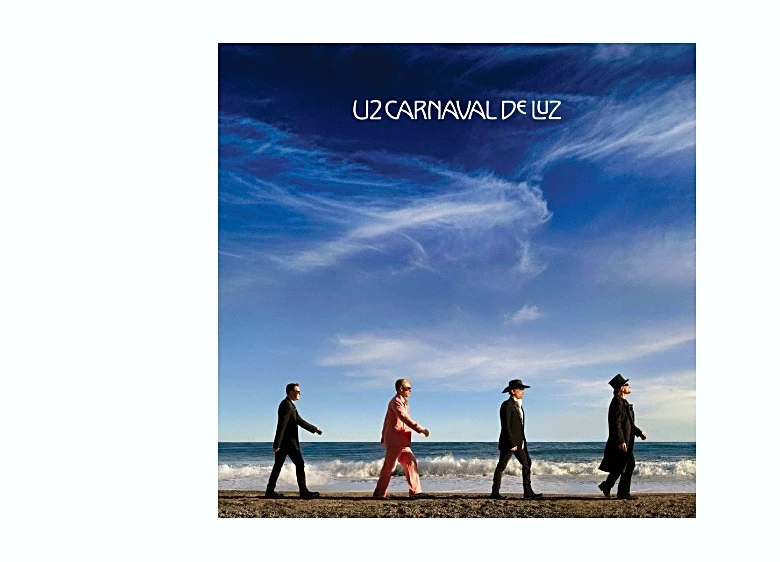
Tools like DistroKid Direct are emerging to streamline the online merchandise selling process for these artists. This platform allows musicians to upload existing album art to create various products such as T-shirts, sweatshirts, mugs, and tote bags. The service operates on a print-on-demand model, which helps artists avoid the logistical headaches of managing inventory and unsold stock. This approach is particularly beneficial for independent artists who are still growing their fan base, as it minimizes upfront costs and storage requirements. Artists retain control over pricing, with DistroKid only deducting production costs.
Why It's Important?
The shift towards online merchandise sales and print-on-demand services is vital for the financial sustainability of independent artists in the U.S. music industry. With touring margins often slim, merchandise provides a critical revenue stream. By making online sales more accessible and less logistically burdensome, platforms like DistroKid Direct empower artists to monetize their brand and connect with a broader audience. This model reduces financial risk associated with inventory management, allowing artists to invest more resources into their music and creative endeavors. It also democratizes access to merchandise production and distribution, enabling smaller artists to compete with larger acts that have more extensive resources. The ability to easily create and sell branded items fosters a stronger connection between artists and their fan bases, potentially leading to increased engagement and loyalty.
What's Next?
The trend of independent artists leveraging online platforms for merchandise sales is expected to continue growing. As more artists discover and utilize these streamlined services, the market for artist-branded goods will likely expand. Further innovations in print-on-demand technology and e-commerce integration could offer even more creative and cost-effective solutions for musicians. We may see an increase in the variety of customizable products available, moving beyond traditional apparel to include more unique and personalized items. The success of these platforms could also encourage other industries with independent creators, such as authors or visual artists, to adopt similar models for selling their branded merchandise. The focus will remain on minimizing logistical burdens and maximizing profit margins for creators.
Beyond the Headlines
This development highlights a broader transformation in the creator economy, where digital tools are empowering individuals to bypass traditional gatekeepers and directly engage with their audience. The emphasis on print-on-demand and online storefronts reflects a move towards more sustainable and agile business models, reducing waste from unsold inventory and allowing for greater customization. Ethically, this approach supports fair compensation for artists by giving them more control over their product pricing and distribution. Culturally, it fosters a more direct and intimate relationship between artists and fans, as merchandise becomes a tangible extension of the artist's identity and creative work. This shift could lead to a more diverse and vibrant independent music scene, as financial barriers to entry are lowered.