



What's Happening?
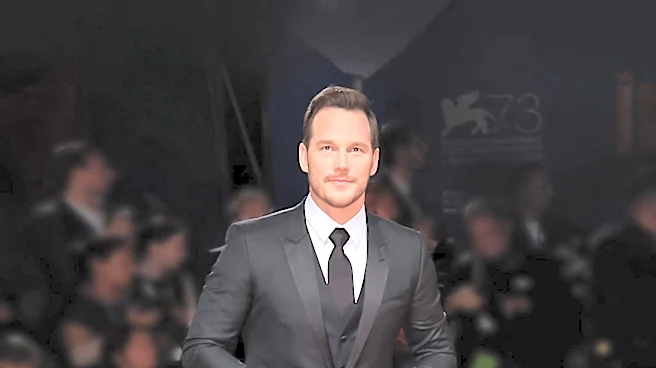
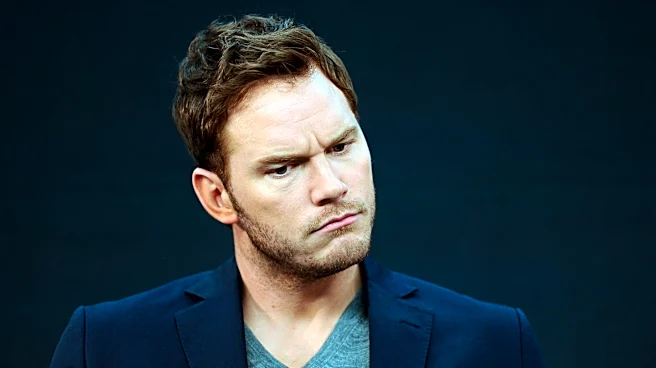
Actor Chris Pratt has spoken out about his experiences with bullying, the pressures of fame, and public perceptions of his political views, particularly in the context of his new Apple TV film, 'El camino del pequeño guerrero.' Pratt, known for his transformation
from a sitcom actor to a Marvel superhero, discussed how he feels misunderstood by online portrayals. He emphasized his belief in national unity, noting concerns from 'both sides' of the political spectrum, and clarified that he has never publicly supported any Republican or Democratic candidate. Pratt also addressed criticisms regarding his physical transformation and his faith, stating, 'I am a man of faith,' but asserting that this does not lead him to exclude anyone. The film, an adaptation of a novel by former Navy SEAL Jocko Willink, focuses on confronting bullying through self-care and empathy, a theme Pratt relates to personally, having experienced both sides of bullying.
Why It's Important?
Chris Pratt's public statements are significant as they highlight the challenges faced by public figures in navigating social media scrutiny and political polarization in the U.S. His call for national unity and his refusal to align with a specific political party reflect a growing sentiment among some public figures to transcend partisan divides. This stance can influence public discourse by encouraging a more nuanced approach to political engagement, rather than immediate categorization. Furthermore, his discussion on bullying and empathy, particularly in the context of his new film, underscores the societal impact of online behavior and the importance of fostering understanding. For the entertainment industry, Pratt's experience illustrates the intense pressure on actors to manage their public image while maintaining personal beliefs, potentially influencing how other celebrities choose to engage with social and political issues.
What's Next?
The release of Chris Pratt's new film, 'El camino del pequeño guerrero,' will likely bring further attention to the themes of bullying and empathy, potentially sparking broader conversations about these issues in schools and communities. Pratt's continued public presence and his willingness to discuss his personal experiences may encourage other public figures to share their own struggles with online criticism and political pressures. His emphasis on national unity could also resonate with audiences seeking common ground in a divided political landscape. The film's message, advocating for self-care and empathy as ways to confront bullying, might inspire educational initiatives or discussions among parents and educators on how to address such challenges effectively.
Beyond the Headlines
Beyond the immediate news, Chris Pratt's narrative touches on deeper societal implications regarding celebrity culture, online harassment, and the intersection of personal faith with public life. His experience with being labeled 'the worst Chris' and facing criticism for his physical appearance and perceived political leanings highlights the often-unforgiving nature of social media and the pressure on public figures to conform to certain expectations. His assertion of faith and inclusivity challenges the stereotype that religious belief necessarily leads to exclusion. This broader discussion about empathy and understanding, as promoted by his new film, could contribute to a cultural shift towards more constructive online interactions and a greater appreciation for diverse viewpoints, even amidst disagreements.