






What's Happening?
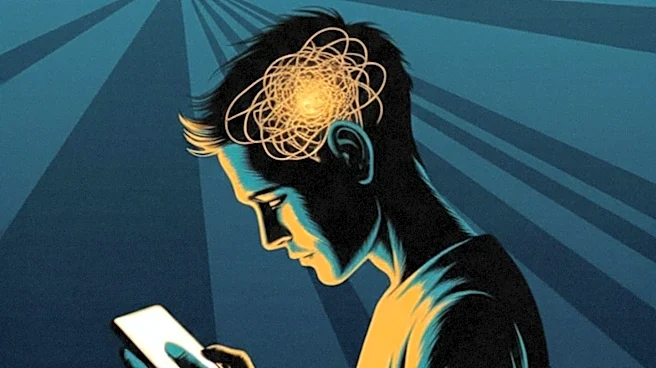
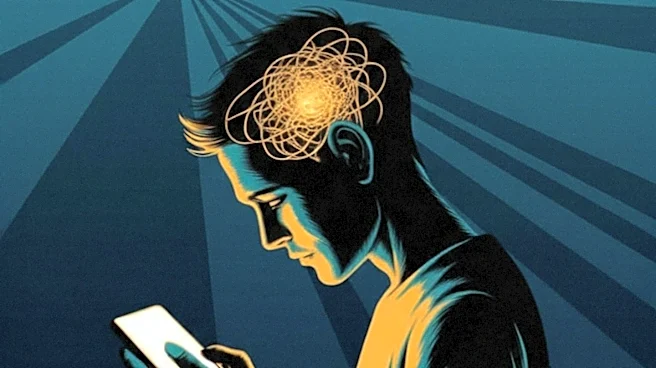
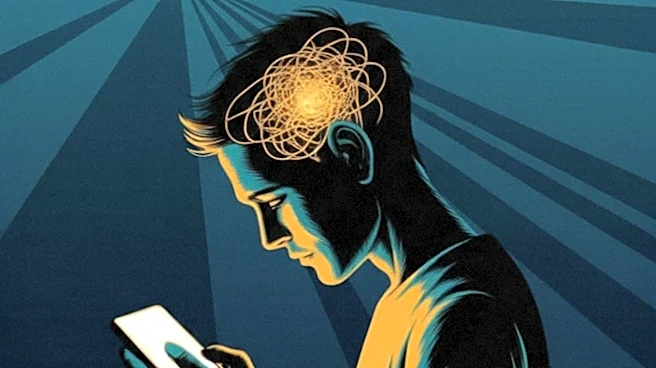
Contemporary society is witnessing a growing trend of digital detox strategies, which are being adopted as a form of resistance against the pervasive overstimulation from digital media. Researchers Jernej Markelj and Jakko Kemper highlight the 'rawdogging
flights' TikTok trend, where individuals, predominantly men, endure flights without any digital entertainment or comforts. This practice is interpreted as a pushback against the perceived emasculating effects of digital stimulation and scattered attention encouraged by networked media. The broader discussion around digital detox and dopamine fasting suggests a societal awareness that continuous excitement is unsustainable, leading to a reinvention of rhythms rather than outright abstinence. This movement acknowledges the constant influx of digital stimuli and seeks methods to manage its negative effects, exploring new avenues for engagement and well-being in an increasingly hyper-connected world. The concept extends beyond individual practices to broader societal discussions, as indicated by mentions of panel discussions on digital detox, reflecting its growing relevance.
Why It's Important?
The rise of digital detox strategies signifies a critical shift in how individuals and society are responding to the overwhelming presence of digital technology. This trend has implications for mental health, productivity, and social interaction in the U.S. As individuals seek to reclaim focus and reduce digital dependency, there could be a ripple effect on industries reliant on constant digital engagement, such as social media platforms and online entertainment. The emphasis on 'reinvention of rhythm' rather than complete abstinence suggests a more sustainable approach to digital well-being, potentially leading to new markets for products and services that support balanced digital consumption. Furthermore, the gendered aspect of trends like 'rawdogging flights' highlights evolving societal norms around masculinity and technology, indicating a cultural re-evaluation of digital engagement. This movement could foster greater awareness of the psychological impacts of constant connectivity, prompting policy discussions around digital literacy and responsible technology use.
What's Next?
The digital detox movement is likely to evolve with increased adoption of various strategies, from structured retreats to personal routines. We can anticipate a continued rise in demand for tools and services that facilitate digital disconnection, such as apps designed to limit screen time, specialized wellness retreats, and educational programs promoting digital well-being. Technology companies may also respond by developing features that encourage more mindful usage, potentially integrating 'detox modes' or customizable notification settings. Further academic research is expected to delve deeper into the long-term psychological and sociological impacts of digital overstimulation and the effectiveness of various detox methods. Public discourse will likely continue to explore the balance between technological advancement and human well-being, potentially leading to broader societal norms that value periods of digital disengagement. The trend may also influence workplace policies, with companies exploring ways to reduce digital burnout among employees.
Beyond the Headlines
Beyond the immediate benefits of reduced screen time, the digital detox trend touches upon deeper ethical and philosophical questions about human agency in a technologically saturated world. It challenges the notion of constant connectivity as inherently beneficial, prompting a re-evaluation of what constitutes a 'rich' or 'meaningful' experience. The resistance against algorithmic traps and scattered attention can be seen as a quest for cognitive autonomy, pushing back against systems designed to capture and maintain user engagement. This movement also highlights the tension between individual well-being and the economic models of digital platforms that thrive on continuous interaction. Culturally, it may foster a renewed appreciation for offline activities, deep focus, and interpersonal connections, potentially shifting societal values away from hyper-digitalization. Legally, discussions might emerge regarding the 'right to disconnect' or regulations around persuasive design in digital interfaces, aiming to protect users from exploitative engagement tactics.