

What's Happening?
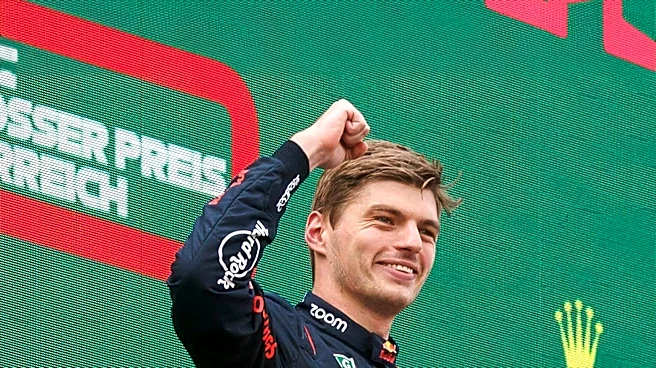
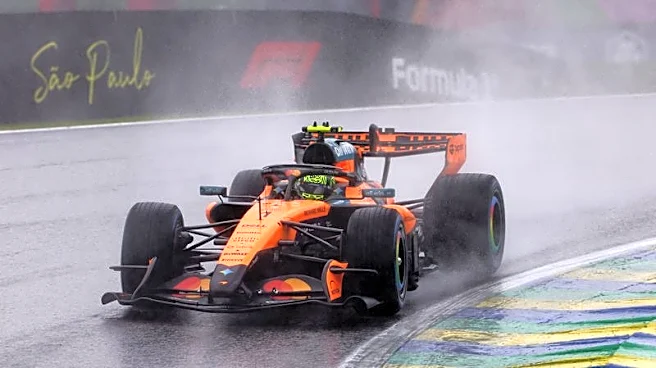
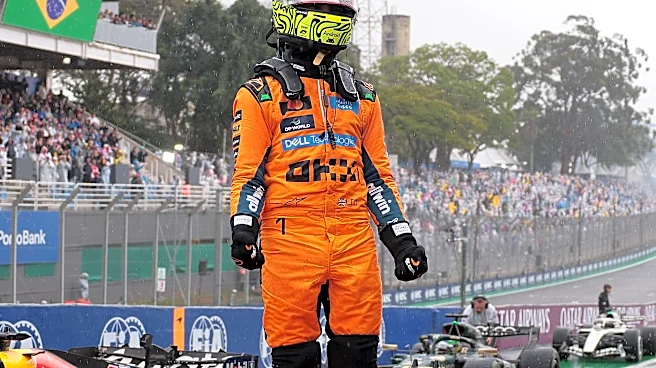
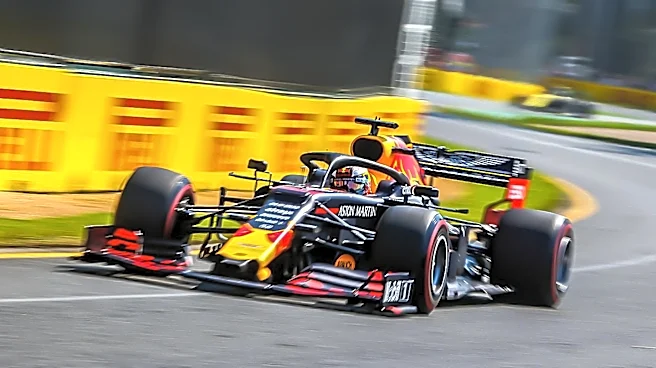
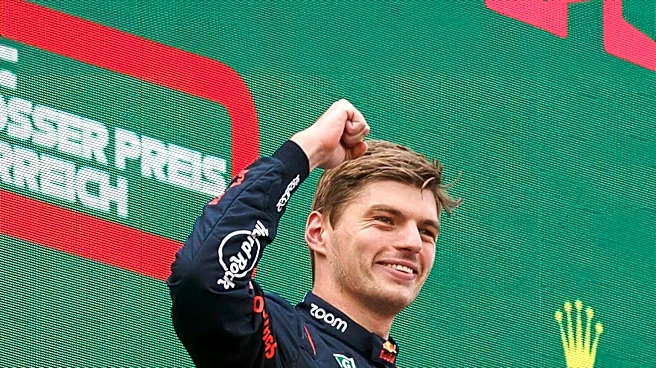
Max Verstappen, the four-time F1 drivers' champion, has called for an investigation by Red Bull into his car's performance during the São Paulo Grand Prix, citing "extreme" levels of oversteer at Interlagos. Despite starting from P21 on the grid, Verstappen managed
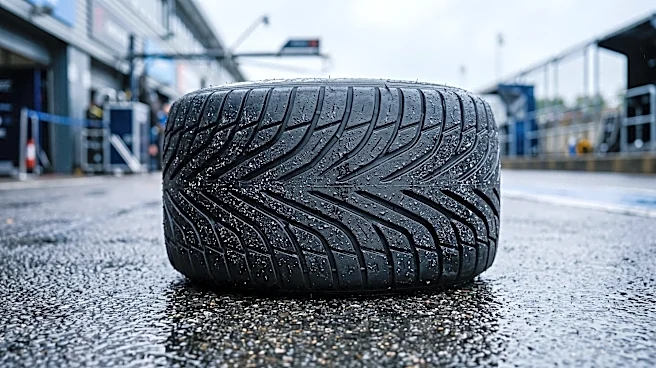
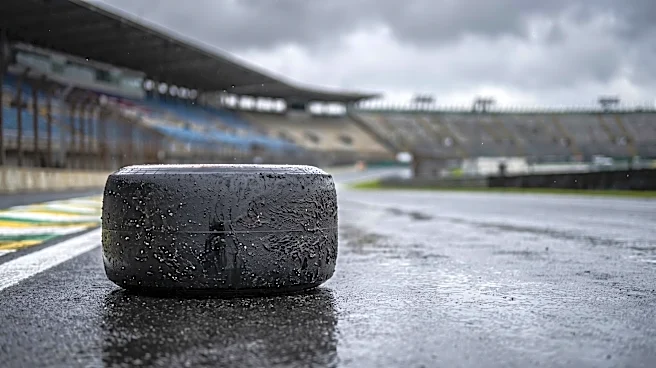
to finish second behind Lando Norris in challenging and changeable conditions. While he performed exceptionally well on intermediate tires, he expressed significant dissatisfaction with how his RB22 handled after switching to soft tires for the majority of the race. Verstappen noted that the car's behavior was "not normal" and suggested that something might have broken or there was an "aero loss." He emphasized that while he was happy with second place, he believed there was potential for a better result if the car had been in optimal condition. This marks another instance where Verstappen has highlighted issues with the car's performance degradation during a race, a concern he and Laurent Mekies have previously raised.
Why It's Important?
Max Verstappen's call for an investigation into his car's performance is highly significant for Red Bull Racing. As a multiple world champion, his feedback carries immense weight and directly influences the team's development priorities. The reported "extreme oversteer" and potential "aero loss" indicate a fundamental issue that could impact the car's competitiveness, especially in varying conditions or over longer race stints. If these problems are not addressed, they could hinder Red Bull's ability to maintain its dominant position in future races and seasons. This situation also highlights the intricate relationship between driver feedback and engineering development in Formula 1, where precise analysis of car behavior is crucial for continuous improvement. For fans and competitors, any instability or performance degradation in Red Bull's car could signal a shift in the competitive landscape, potentially opening opportunities for rival teams to challenge for victories.
What's Next?
Red Bull Racing will likely initiate a thorough investigation into Max Verstappen's car to identify the root cause of the "extreme oversteer" and potential "aero loss" experienced during the São Paulo Grand Prix. This will involve detailed telemetry analysis, aerodynamic studies, and mechanical inspections of the RB22. The findings of this investigation will inform future car development and setup strategies to prevent similar issues in upcoming races. The team's engineers and strategists will work closely with Verstappen to understand his feedback and translate it into actionable improvements. Depending on the severity and nature of the identified problems, Red Bull might implement design changes or operational adjustments. The team's ability to quickly diagnose and rectify these issues will be crucial for their performance in the remainder of the current season and their preparations for the next.
Beyond the Headlines
Verstappen's comments about the car's performance issues, particularly the "extreme oversteer" and potential "aero loss," delve into the highly technical and often invisible aspects of Formula 1 racing. These issues are not merely about driver skill but reflect the complex interplay of aerodynamics, suspension, tire management, and power unit delivery. The fact that such problems can emerge even in a championship-winning car underscores the relentless pursuit of perfection and the fine margins that separate victory from second place in F1. This situation also highlights the psychological aspect of racing, where a driver's confidence in their machinery is paramount. A car that behaves unpredictably, even if still capable of strong results, can impact a driver's ability to push to the absolute limit. The ongoing dialogue between Verstappen and the team about performance degradation suggests a deeper, systemic challenge that Red Bull must address to maintain its competitive edge in the long term.