

What's Happening?
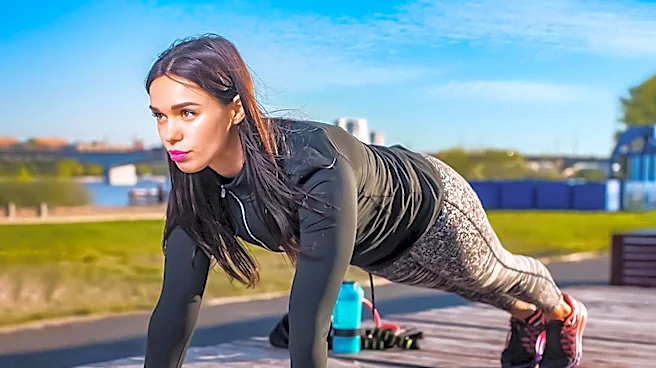
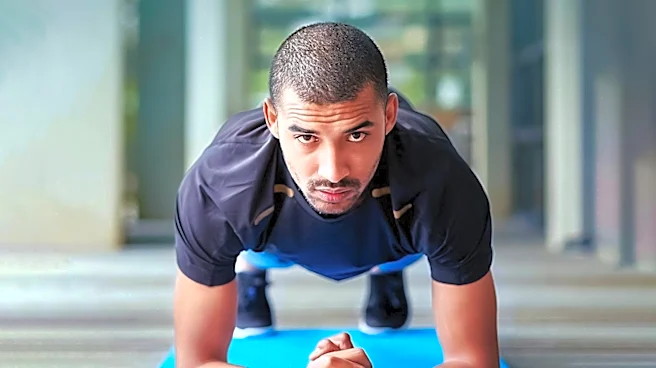
Beginners looking to strengthen their core can start with foundational exercises such as modified planks, leg raises, and gentle core stretches. These exercises are designed to introduce individuals to core training safely and effectively. According to fitness
experts, a strong core is crucial for overall body stability, posture, and performing daily tasks with ease. Core workouts should focus on engaging the entire core musculature, including the abs, obliques, and deeper stabilizer muscles, rather than just superficial muscles. Many effective core exercises, like planks and dead bugs, can be performed at home without specialized equipment, making them accessible to a wide audience. The emphasis for beginners is on proper form and controlled movements, with modifications available to suit all fitness levels and prevent injury.
Why It's Important?
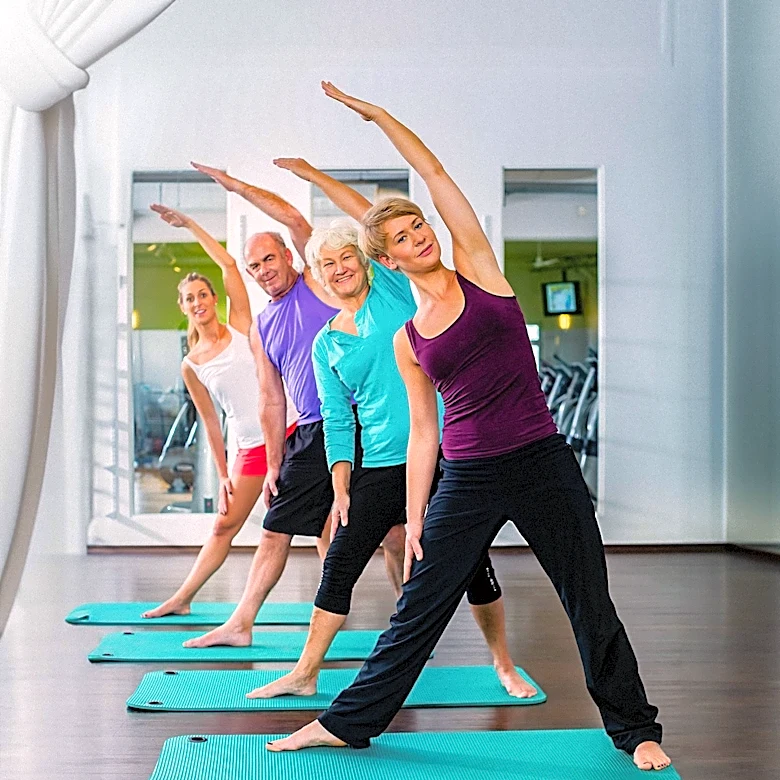
Developing a strong core is vital for improving functional strength, which translates directly to easier execution of everyday activities, from lifting groceries to maintaining good posture. A robust core acts as a natural brace for the spine, reducing the risk of lower back pain and enhancing overall balance. For individuals of all ages, especially as muscle mass naturally declines with aging, maintaining core strength and stability is paramount for long-term physical health and independence. By focusing on foundational core exercises, individuals can build a solid base that supports more advanced physical activities and contributes to a better quality of life, mitigating common issues like poor posture and instability.
What's Next?
Individuals starting core workouts are advised to begin with short durations, such as 20-30 seconds for planks, and gradually increase the time or repetitions as strength improves. Consistency is key, with recommendations for core workouts three to four times a week to allow for muscle recovery while building strength. As beginners progress, they can introduce variations to exercises, such as side planks or adding leg lifts during a plank, to further challenge their core. Tracking progress through photos or workout journals can help maintain motivation and demonstrate improvements over time. Consulting with a healthcare provider is recommended for individuals with pre-existing conditions like back pain or during pregnancy to ensure exercises are modified appropriately.
Beyond the Headlines
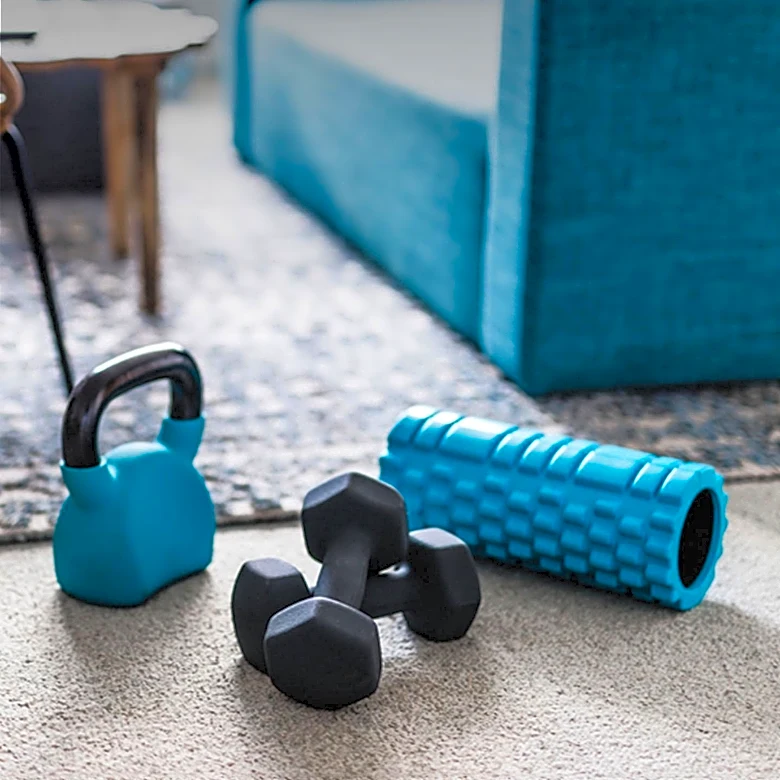
The emphasis on accessible, equipment-free core workouts highlights a broader trend towards functional fitness and home-based exercise solutions. This approach democratizes fitness, making core strengthening achievable for individuals without gym memberships or extensive equipment. Beyond the physical benefits, the discipline of consistent core training can foster greater body awareness and self-efficacy. Understanding the interconnectedness of core muscles with overall body movement can lead to a more holistic approach to health, where individuals are empowered to take proactive steps in preventing injuries and improving their physical well-being through simple, yet effective, routines.